Category: Pharmacology - Page 2
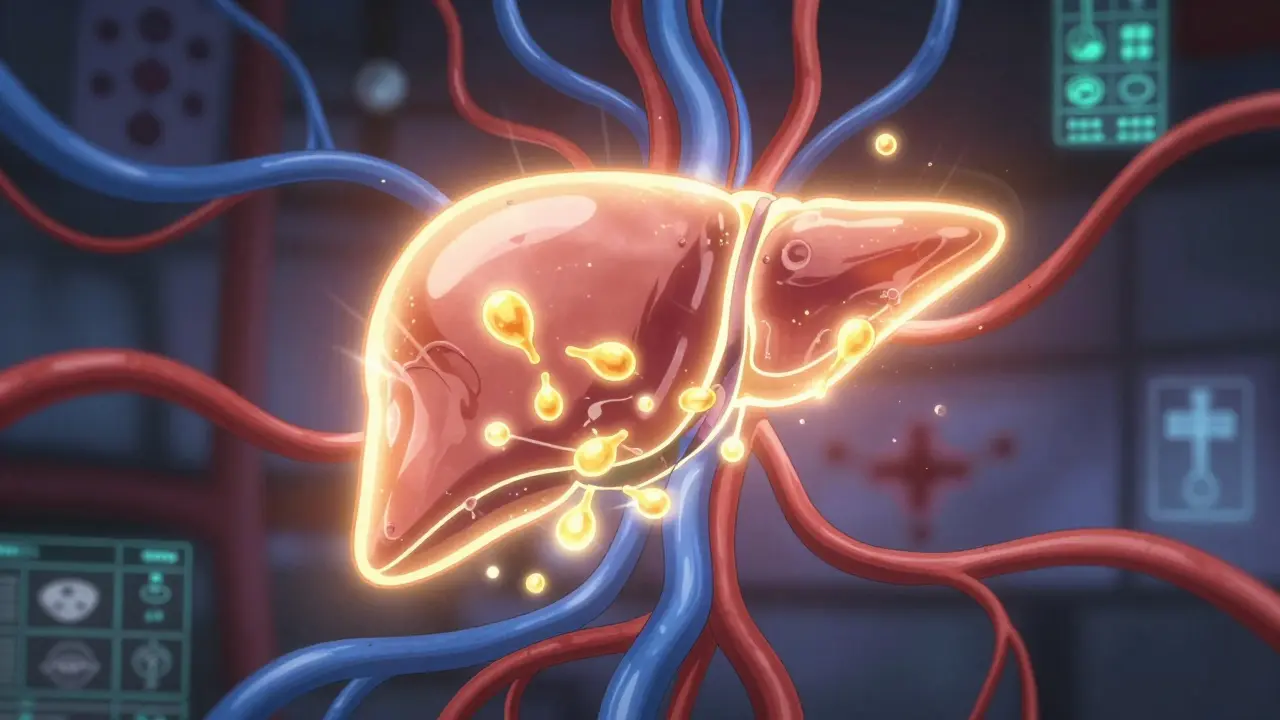
Statins in Liver Disease: Safety and Cardiovascular Benefits Explained
Statins are safe and beneficial for people with liver disease, reducing heart attack risk and even improving liver function. Learn why outdated fears about liver damage are wrong-and how statins can save lives.
Learn more...
Military Shelf Life Extension Program: What It Reveals About Drug Stability
The Military Shelf Life Extension Program proves many drugs remain effective years past their expiration dates when stored properly - challenging common myths about medication stability and saving billions in federal spending.
Learn more...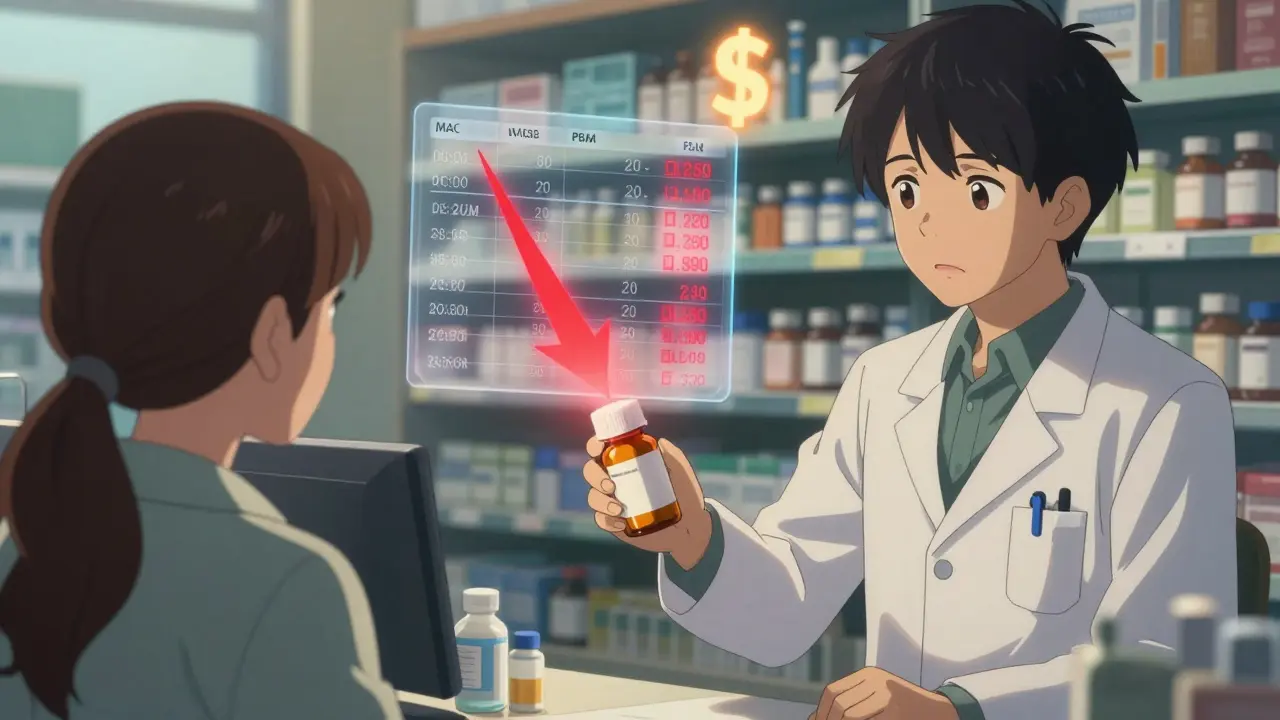
Pharmacy Reimbursement: How Generic Substitution Impacts Pharmacies and Patients financially
Generic substitution was meant to cut drug costs, but pharmacy reimbursement systems now reward higher-priced generics. Learn how PBM pricing, MAC lists, and spread pricing undermine savings-and who really benefits.
Learn more...
Statins and Muscle Disorders: How Statins Trigger Myopathy and What You Can Do
Statin-induced muscle pain affects up to 30% of users, but it's not inevitable. Learn the real science behind statin myopathy, why it happens, and how to manage it with CoQ10, exercise, or safer alternatives.
Learn more...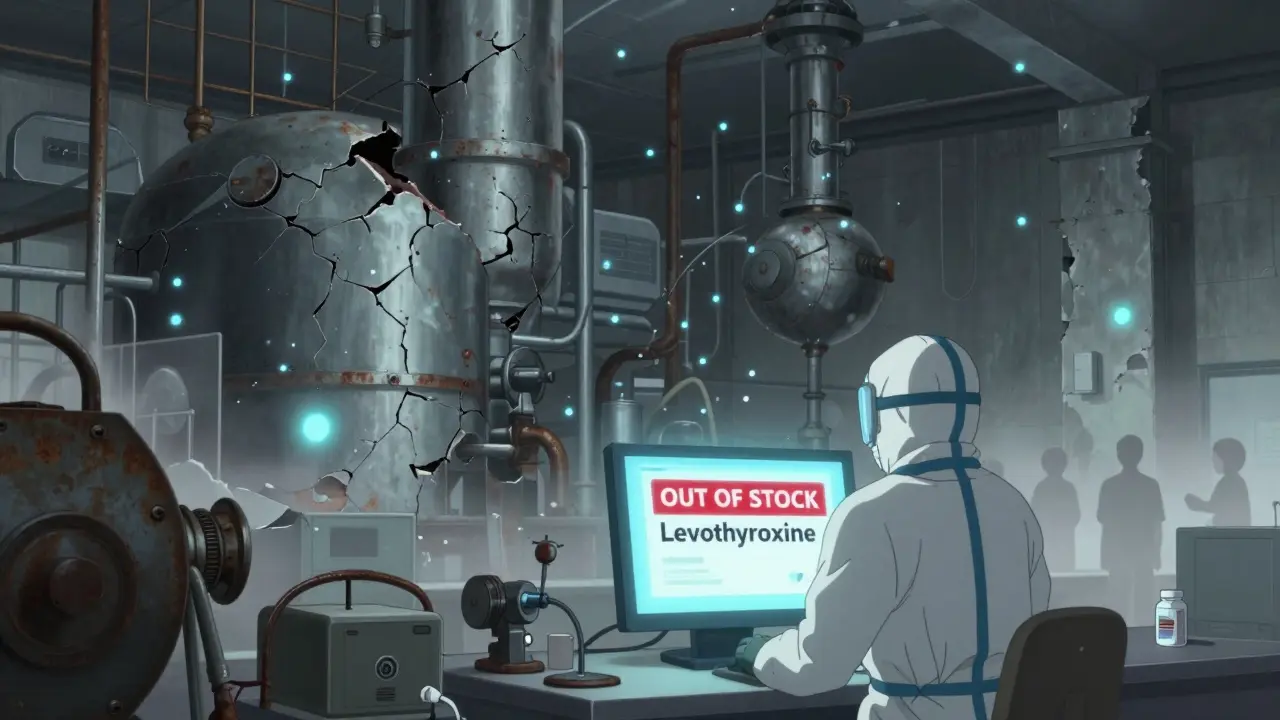
Why Generic Drugs Are Disappearing: The Hidden Manufacturing Crisis
Generic drugs make up 90% of prescriptions but only 20% of drug spending. Why are so many running out? A broken pricing system, global supply chains, and weak oversight are causing dangerous shortages of essential medications.
Learn more...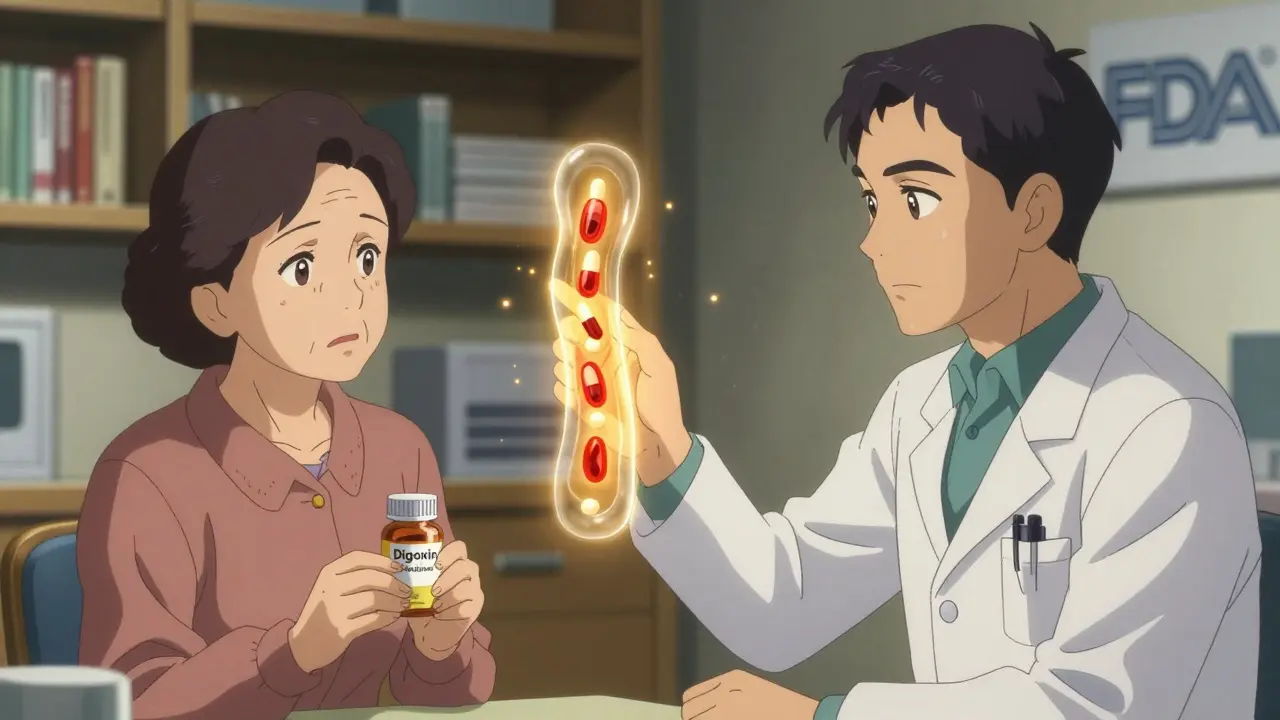
How to Talk to Patients About Switching to Generic NTI Drugs
When switching patients to generic NTI drugs, clear communication and careful monitoring are essential. Learn what to say, when to test, and how to build trust-backed by FDA guidelines and real patient data.
Learn more...
Tetracyclines and Tooth Discoloration in Children: What Parents and Doctors Need to Know in 2026
Updated 2026 guidance on tetracyclines and tooth discoloration in children: doxycycline is safe for short courses under age 8, but other tetracyclines are not. What parents and doctors need to know.
Learn more...
How to Avoid Transcription Errors from E-Prescribing Systems
E-prescribing reduced handwriting errors but introduced new transcription mistakes due to system incompatibility. Learn how structured sig, CancelRx, and FHIR interoperability can stop these errors before they harm patients.
Learn more...
Vitamin D and Thiazide Diuretics: What You Need to Know About Hypercalcemia Risk
Taking vitamin D with thiazide diuretics can raise calcium levels dangerously high. Learn who’s at risk, what doses are safe, and how to avoid hypercalcemia with simple monitoring steps.
Learn more...
Combining Multiple Heart Medications: Safe and Unsafe Drug Combinations
Combining multiple heart medications can be dangerous due to drug interactions that reduce effectiveness or cause life-threatening side effects. Learn which combinations to avoid and how to stay safe.
Learn more...