Pharmacology: Practical Guides for Everyday Medications
Ever opened a prescription bottle and wondered what the real story is behind that pill? You’re not alone. On this page we pull together easy‑to‑read articles that cut through the jargon and give you the facts you need—whether you’re dealing with an eye drop, a blood thinner, or a common antihistamine.
Why Good Pharmacology Info Matters
Knowing how a drug works, the right dose, and what side effects to expect can prevent a lot of hassle. For example, our guide on chloramphenicol eye drops explains when the drops are helpful, how long they last, and who should stay away from them. Skipping that info could mean a longer recovery or an avoidable reaction.
When you understand interactions—like the tricky dance between warfarin and type 2 diabetes meds—you can keep your INR stable and avoid dangerous swings. Simple tips in our articles help doctors, pharmacists, and anyone who takes medication stay a step ahead.
Top Topics Covered
We’ve organized the most requested subjects into bite‑size pieces. Here’s a quick taste of what you’ll find:
- Antibiotic alternatives: From amoxicillin substitutes to non‑prescription options, we break down when each works best.
- Neuro‑recovery aids: Want to know if amantadine can boost stroke rehab? We cover the evidence, dosing, and safety.
- Side‑effect hacks: Constipation from amitriptyline? Our real‑world tips show diet tweaks and bathroom tricks that actually help.
- Age‑specific safety: Loratadine for seniors? We list the special considerations and drug‑interaction warnings you should check.
- Duration guides: How long does albuterol last? Learn the difference between short‑acting and long‑acting forms and how to time your inhaler.
Each article ends with a handy comparison table so you can see the pros and cons at a glance. No more scrolling through endless medical journals—just clear, practical takeaways.
Finding the right advice is easy. Use the search bar at the top of the site or browse the category list to jump straight to the drug you’re curious about. All content is written by experienced pharmacists and reviewed for accuracy, so you can trust the information you’re reading.
Stay ahead of the curve by checking back regularly. New drug updates, safety alerts, and alternative therapies are added as soon as the data is solid. Bookmark this page, and you’ll have a reliable pharmacy companion whenever you need it.
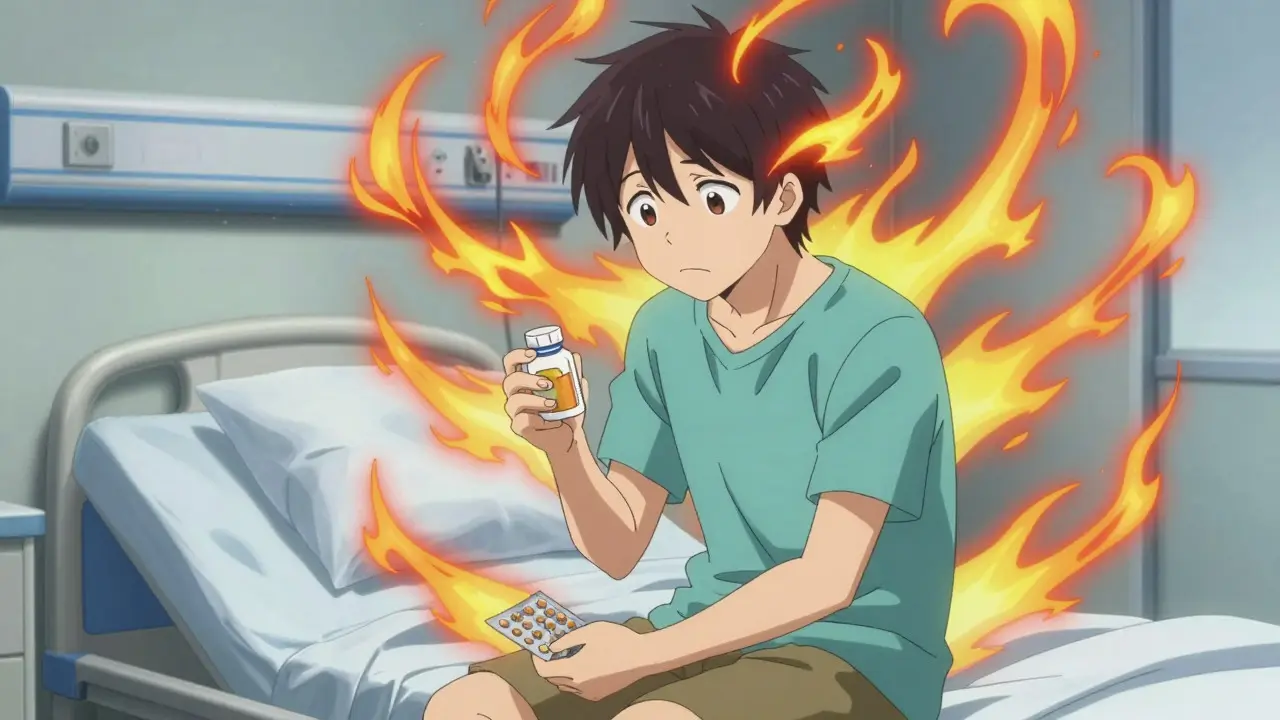
Tricyclic Antidepressants and Antihistamines: Understanding Anticholinergic Overload
Discover the hidden dangers of combining tricyclic antidepressants with antihistamines. Learn about anticholinergic overload, symptoms, and safer alternatives to protect your cognitive health.
Learn more...
Medication Recalls: Immediate Action Guide for Patients
Learn exactly what to do when a medication recall happens. Discover how to check lot numbers, whether to stop taking your meds, and the safest way to dispose of recalled drugs.
Learn more...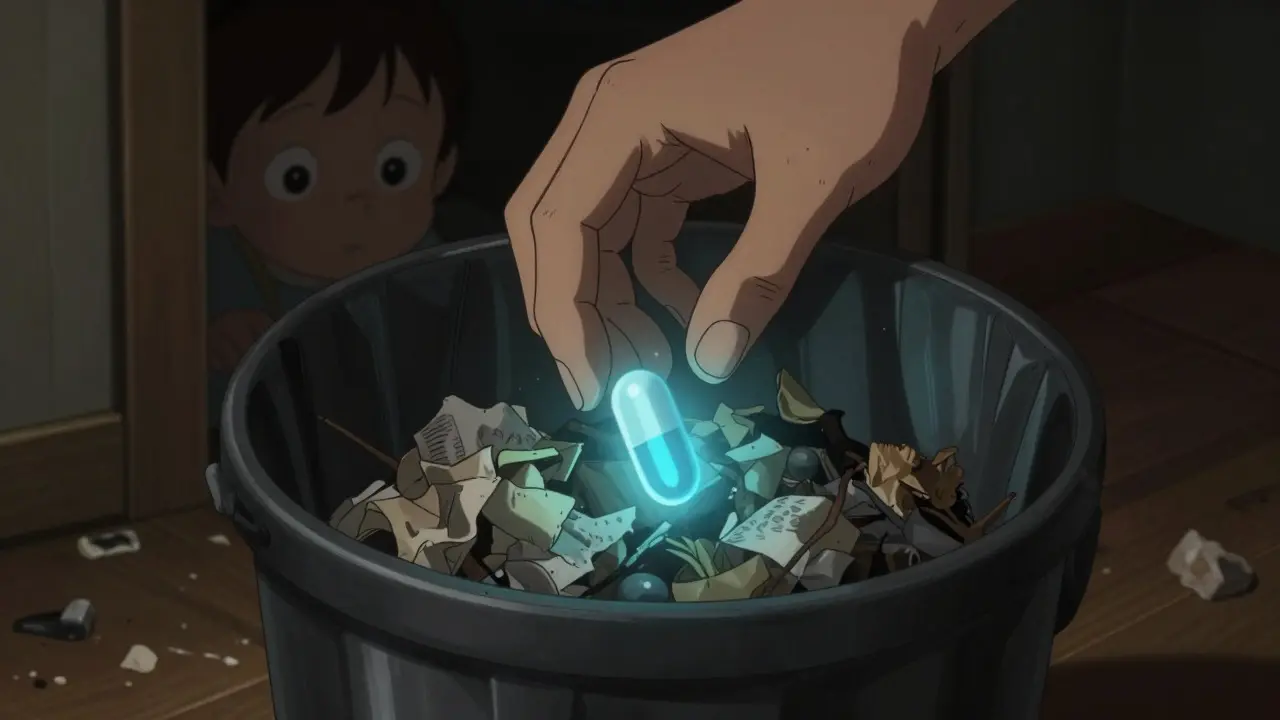
Medications Never to Put in Household Trash: The FDA Flush List Explained
Discover which medications must never go in household trash. Learn the FDA flush list, safe disposal methods, and how to protect your family from accidental overdose.
Learn more...
Medication Shortages: How to Manage When Drugs Aren’t Available
Learn how to effectively manage medication shortages with proactive monitoring, strategic inventory buffers, and safe therapeutic substitutions. Essential guide for healthcare providers.
Learn more...
Dose Titration Strategies to Reduce Medication Side Effects: A Practical Guide
Learn how dose titration minimizes medication side effects by starting low and going slow. Discover protocols for ADHD, heart health, and seizure meds, plus tips for tracking your progress effectively.
Learn more...
Warfarin and Vitamin K Foods: How to Keep Your Diet Consistent
Learn how to manage warfarin therapy by maintaining consistent vitamin K intake. Discover which foods impact your INR and practical tips for dietary stability.
Learn more...
Second-Generation Antihistamines: Safer Options with Fewer Side Effects
Discover why second-generation antihistamines like fexofenadine and loratadine are safer, non-drowsy alternatives to older allergy meds. Learn how they work, compare top options, and avoid common pitfalls.
Learn more...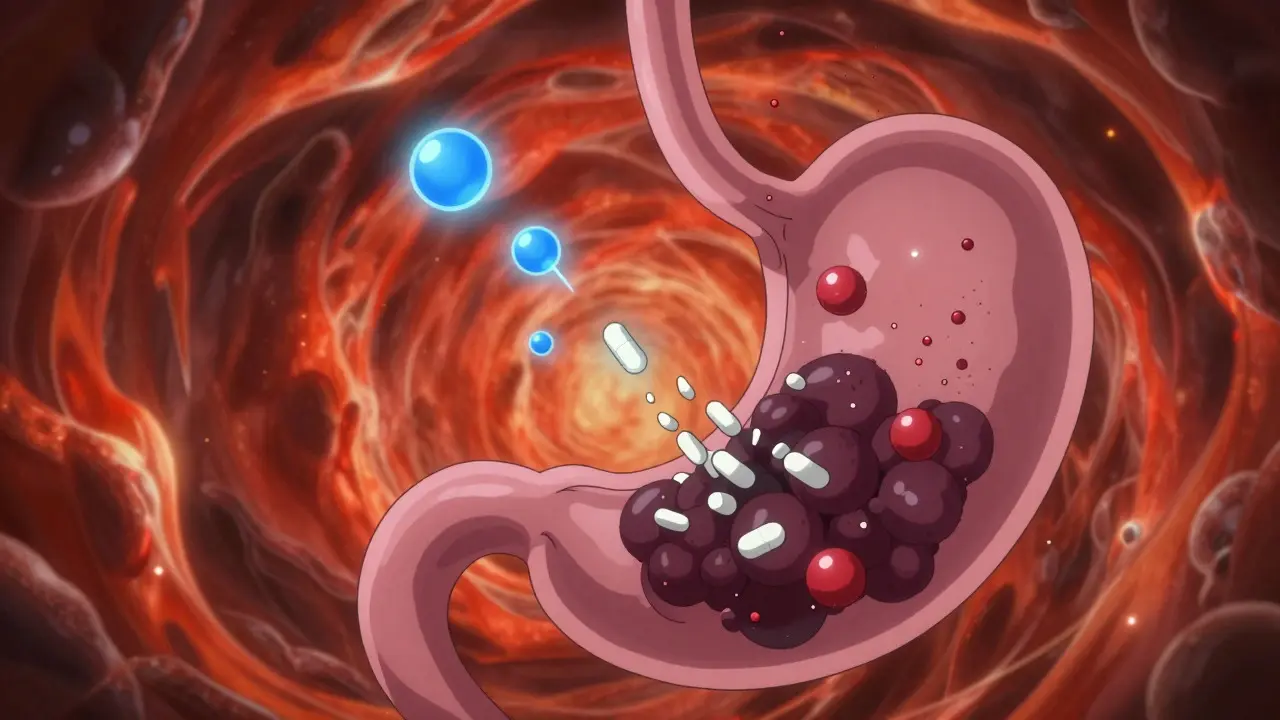
Calcium, Iron, and Mineral Interactions with Medications: The Hidden Risks
Discover how calcium and iron supplements can sabotage your medication. Learn the science of chelation, proper timing strategies, and critical drug interactions to ensure your treatments work.
Learn more...
Antitrust Issues in Generic Substitution: Legal Concerns and Enforcement
Explore how product hopping and REMS abuse block generic drug competition. Learn about key antitrust cases like NY v. Actavis, FTC enforcement actions, and the economic impact on healthcare costs.
Learn more...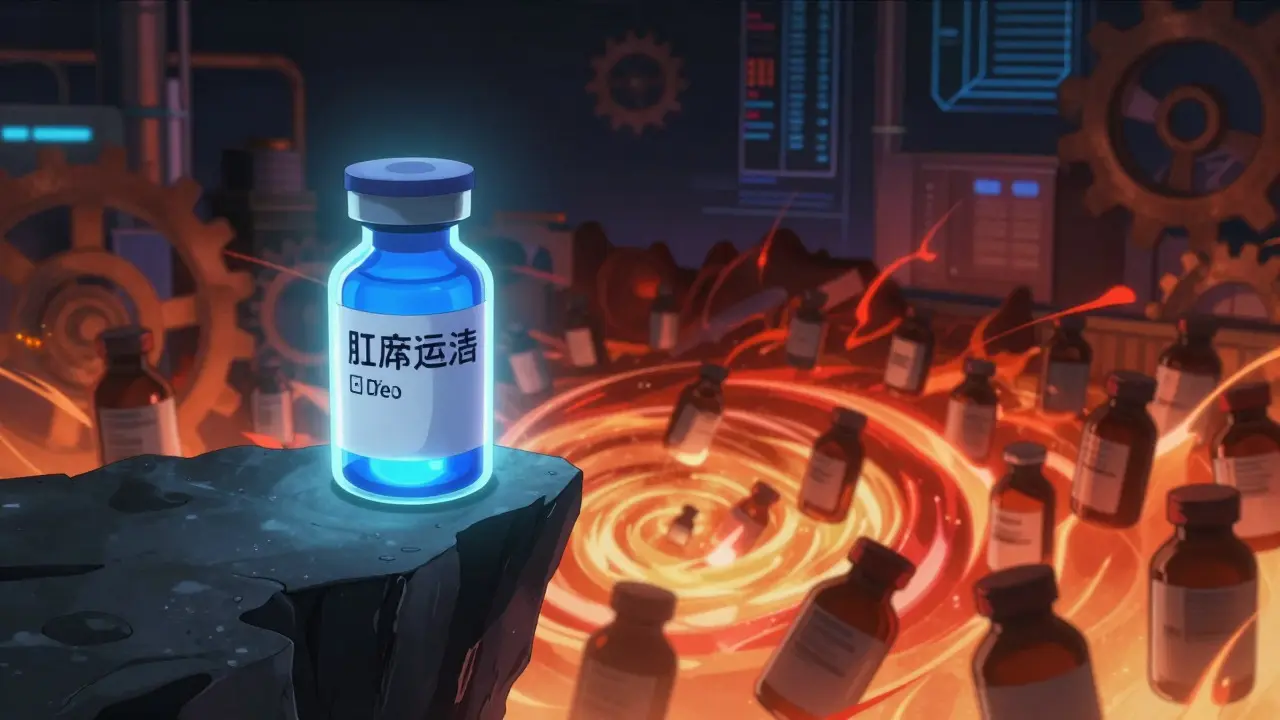
How Brand Manufacturers Produce Their Own Generic Versions: The Authorized Generic Strategy
Discover how brand manufacturers produce authorized generics to retain market share after patents expire. Learn the production process, pricing strategies, and consumer impact.
Learn more...