Health and Wellness: Simple Tips for Everyday Better Living
We all want to feel good, but the advice out there can feel overwhelming. Below you’ll find bite‑size habits you can add right now, plus quick pointers on choosing supplements and medicines without getting lost in jargon.
Daily Habits That Boost Your Health
Start with movement. Even a brisk 10‑minute walk after lunch wakes up your muscles and steadies blood sugar. If you’re on warfarin or any blood thinner, pair that walk with a balanced plate—think leafy greens, a small portion of whole grains, and lean protein. The key is consistency, not intensity.
Hydration matters more than most people think. Aim for eight glasses of water a day, but if you’re sipping coffee or tea, add an extra glass of plain water. This simple trick helps keep your skin clear and reduces that dull, post‑shave redness many of us experience.
Sleep isn’t optional. A solid 7‑8 hours lets your body repair, especially if you’re dealing with medication side effects like anxiety from lisinopril. Try a wind‑down routine: dim lights, no screens 30 minutes before bed, and a short stretch.
Smart Choices for Supplements and Medications
If you’re curious about natural options, look at what science says. Nattokinase, an enzyme from Japanese natto, can support heart health by gently thinning blood, but talk to your doctor first if you’re already on a prescription blood thinner.
Cranberry juice often gets a shout‑out for bladder health. The real benefit lies in the pro‑anthocyanidins, not the sugar. Choose a low‑sugar, 100 % juice or a powder mix, and drink a small glass daily to help keep UTIs at bay.
When it comes to prescription meds, a quick check on common concerns can save you headaches. For example, Zocor (simvastatin) lowers cholesterol but may cause muscle aches; staying active and stretching can ease that. Similarly, Zantac’s recall reminds us to read safety updates and look for alternatives like ranitidine‑free antacids.
Supplements like mangosteen or ground pine are trending, yet evidence varies. Mangosteen offers antioxidants, but you’ll likely need a consistent dose over weeks to notice any boost in immunity. Ground pine claims anti‑inflammatory effects; start with a tiny amount and watch for any stomach upset.
Finally, don’t underestimate the power of vitamin balance. Headaches often trace back to deficiencies in B‑complex or magnesium. A daily B‑complex pill or magnesium‑rich foods—almonds, spinach, dark chocolate—can clear up that pounding feeling without a pharmacy visit.
These tips aren’t a one‑size‑fits‑all prescription, but they give you a toolbox to build a healthier routine. Pick one habit, stick with it for a week, then add another. Small steps add up, and before you know it you’ll feel more in control of your health and wellness journey.

AKI on CKD: Protecting Kidneys from Contrast and Nephrotoxic Drugs
Discover how to protect vulnerable kidneys from Acute Kidney Injury (AKI) when you have Chronic Kidney Disease (CKD). Learn why contrast media and NSAIDs are major risks and follow KDIGO-backed strategies for hydration and medication safety.
Learn more...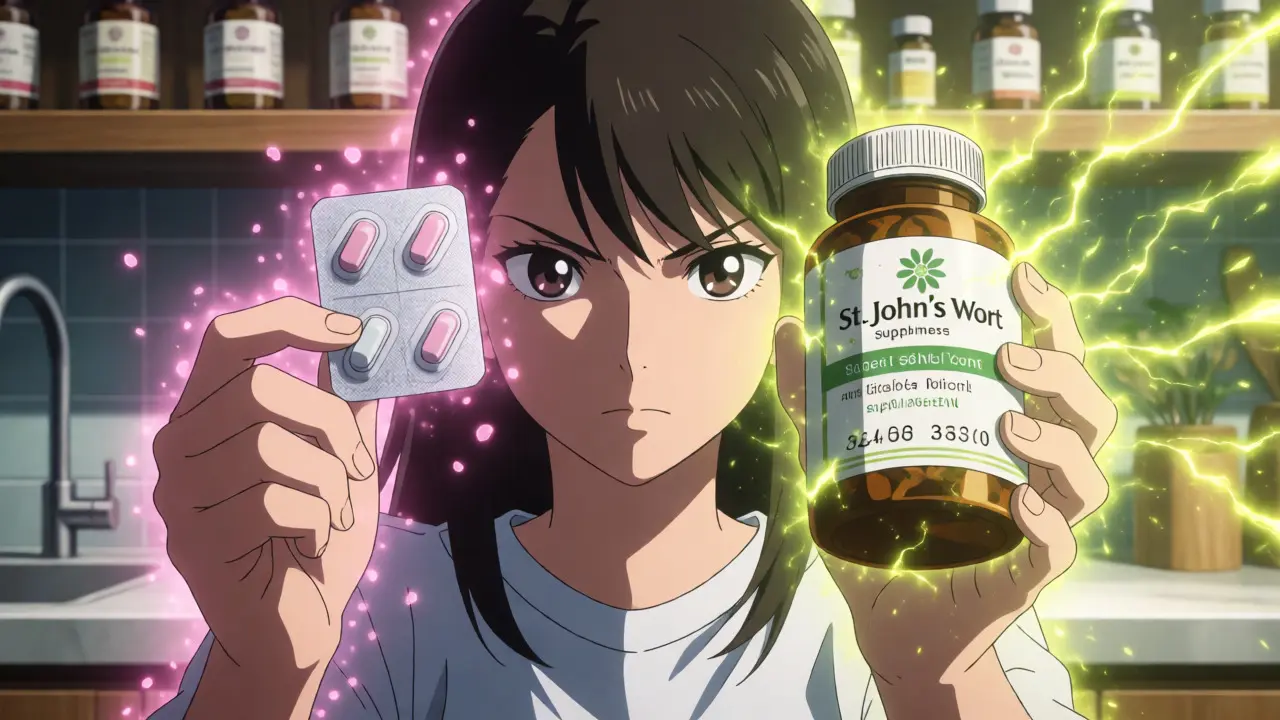
Herbal Supplements and Birth Control: Why Some Reduce Effectiveness
Learn which herbal supplements reduce birth control effectiveness. Discover why St. John's wort poses the highest risk and how to manage interactions safely.
Learn more...
Best Online Drug Databases and Resources for Patients
Discover the best free online drug databases for patients, including DailyMed, LactMed, and DrugBank. Learn how to verify medication safety, check breastfeeding data, and avoid common interpretation pitfalls.
Learn more...
Analgesic Nephropathy: How NSAIDs Damage Kidneys and Safer Alternatives
Discover how daily NSAID use can lead to analgesic nephropathy. Learn the risks, diagnostic signs, and safer alternatives for protecting your kidney health.
Learn more...
Hepatocellular Carcinoma Surveillance in Cirrhosis: Protocols and Treatments
Learn how hepatocellular carcinoma surveillance works for cirrhosis patients, including ultrasound protocols, AFP testing, and modern treatment options for early-stage liver cancer.
Learn more...
Antihistamines and Restless Legs: Worsening Symptoms and Alternatives
Discover how common antihistamines like Benadryl worsen Restless Legs Syndrome by blocking dopamine. Learn which allergy meds to avoid, safer alternatives like Allegra, and practical tips for managing symptoms during allergy season.
Learn more...
How to Separate Household Chemicals from Medication Storage: Safety Guide
Learn how to safely separate household chemicals from medication storage to prevent poisoning and maintain drug efficacy. Includes expert tips on temperature, location, and organization.
Learn more...
Autoimmune Fatigue: Why It Happens and How to Manage It
Discover why autoimmune fatigue is different from normal tiredness and learn evidence-based strategies to manage it. Understand the role of inflammation, hormones, and mitochondria in your exhaustion.
Learn more...
Infant Medication Safety: How to Measure Drops, Concentrations, and Dosage Correctly
Learn critical infant medication safety tips. Discover how to accurately measure drops, understand concentration changes, and calculate safe dosages to prevent dangerous errors.
Learn more...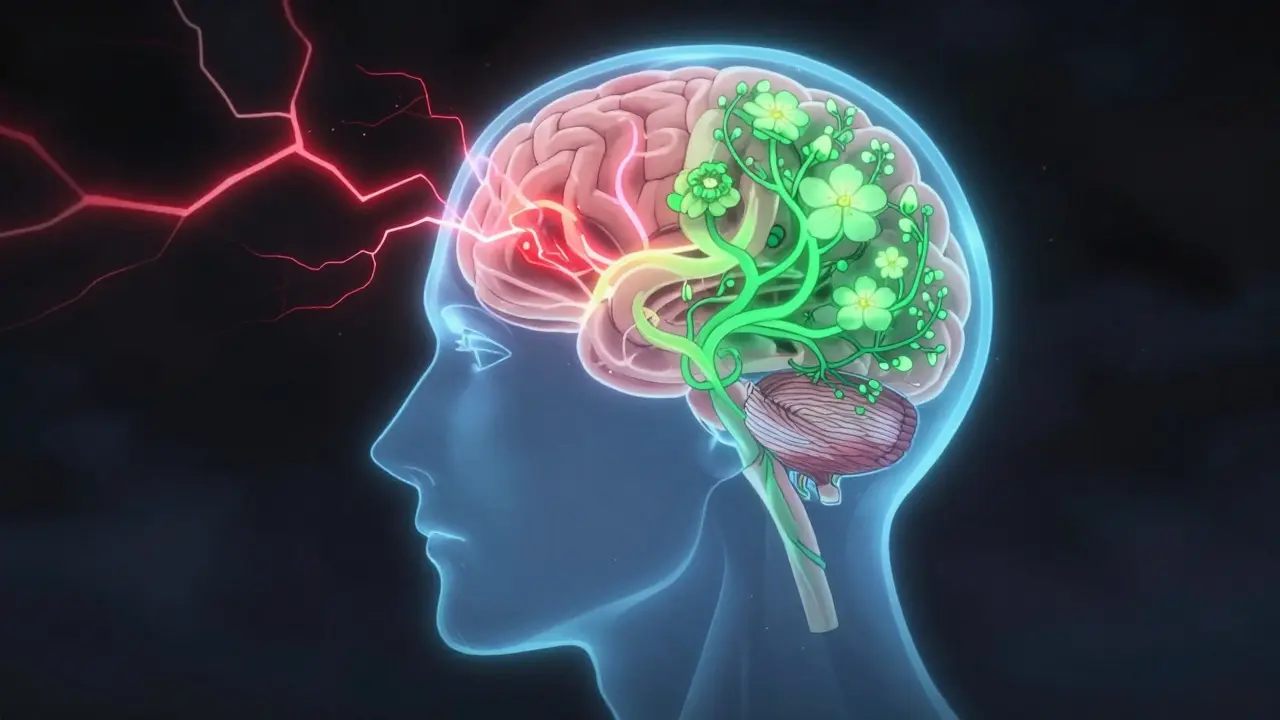
Mindfulness for Anxiety: Evidence-Based Techniques and Clinical Results
Discover how mindfulness reduces anxiety through clinical evidence. Learn about MBSR vs medication, brain changes, and practical techniques backed by recent studies.
Learn more...