Does your mind race when you try to relax? You are not alone. Anxiety often feels like a runaway train, pulling you away from the present moment and into a future that hasn't happened yet. For years, the standard response was medication or talk therapy. But a growing body of clinical evidence suggests there is another path-one that doesn't involve pills or side effects. Mindfulness is a mental training practice that cultivates nonjudgmental awareness of the present moment to reduce anxiety symptoms. It is no longer just a wellness trend; it is now recognized as a first-line psychological intervention for anxiety disorders.
If you have ever tried meditation only to feel more anxious, you might think it isn't for you. That is a common misconception. The science behind mindfulness has evolved significantly since Jon Kabat-Zinn developed the Mindfulness-Based Stress Reduction (MBSR) program in 1979. Today, we have hard data showing how these practices physically change the brain and lower stress hormones. This guide breaks down exactly what works, why it works, and how to start without getting overwhelmed.
The Science Behind Calm: What Happens in Your Brain?
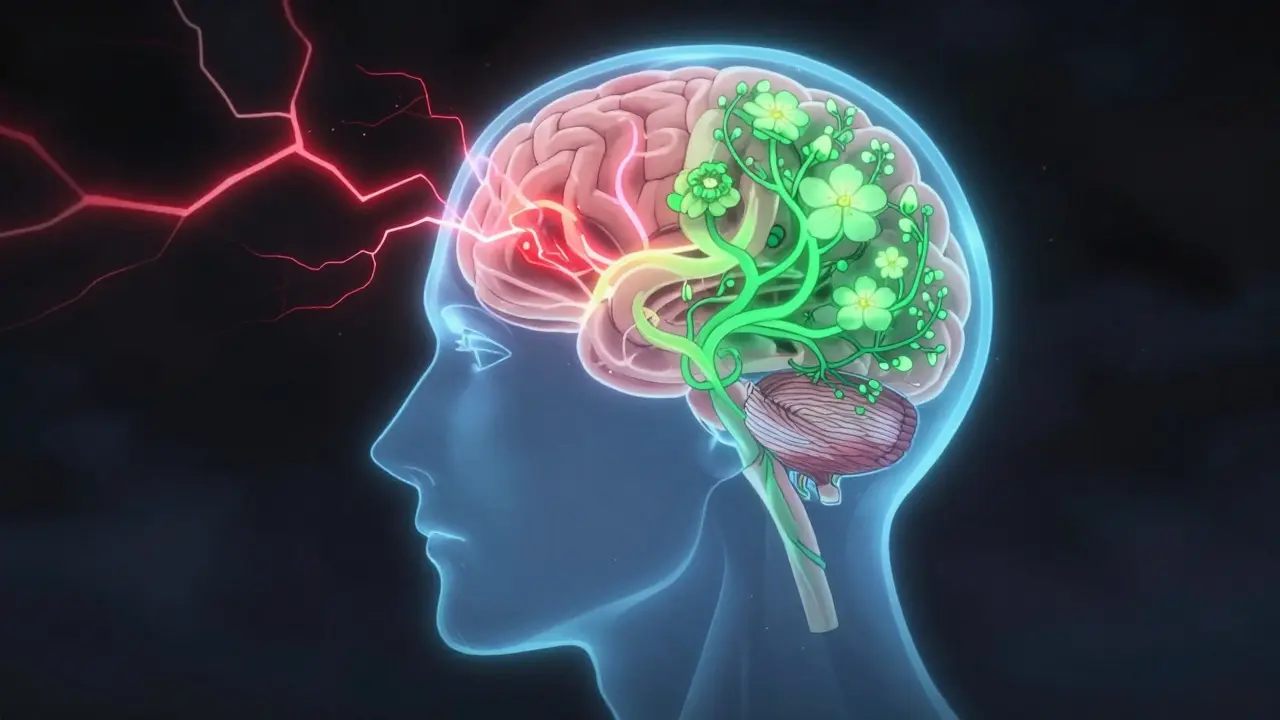
You might wonder if sitting quietly can really compete with prescription drugs. The answer lies in neuroplasticity-the brain's ability to rewire itself. When you practice mindfulness regularly, you are not just 'relaxing'; you are physically altering your brain structure.
Research from Harvard Health Publishing highlights two critical changes after just eight weeks of regular practice:
- Hippocampus Growth: Gray matter density increases by 4.1%. The hippocampus handles learning and memory, and it tends to shrink under chronic stress. Mindfulness helps rebuild it.
- Amygdala Shrinkage: Volume decreases by 6.3%. The amygdala is your brain's 'fight or flight' center. A smaller, less reactive amygdala means fewer panic responses to everyday stressors.
These aren't vague feelings; they are measurable biological shifts. Dr. J. David Creswell from Carnegie Mellon University notes that mindfulness influences two different stress pathways in the brain, changing activity in regions associated with attention and emotion regulation. Essentially, you are training your brain to stop hitting the panic button so quickly.
Clinical Proof: Mindfulness vs. Medication
The biggest question many people ask is: "How does this compare to antidepressants?" A landmark 2022 trial published in JAMA Psychiatry (the TAME trial) provided a clear answer. Researchers compared MBSR to escitalopram (Lexapro), a common SSRI used for anxiety.
| Metric | MBSR (Mindfulness) | Escitalopram (Medication) |
|---|---|---|
| Remission Rate | 48.6% | 50.9% |
| Side Effects | Minimal (mostly initial discomfort) | 82.3% experienced side effects (nausea, insomnia, sexual dysfunction) |
| Time to Effect | 8-12 weeks | 2-4 weeks |
| Long-Term Maintenance | High (skills remain after treatment ends) | Requires ongoing medication |
The study found that MBSR was statistically non-inferior to escitalopram. In other words, it worked just as well for reducing anxiety symptoms. However, the trade-off is time. Medication acts faster, while mindfulness requires consistent practice over several weeks to build momentum. If you can tolerate the slower start, the long-term benefits-like avoiding withdrawal symptoms and maintaining gains without daily pills-are significant.
Core Techniques That Actually Work
Not all mindfulness exercises are created equal. Some are better for calming a racing heart, while others help with obsessive thoughts. Here are three evidence-based techniques you can start using today.
1. The Body Scan
This is the cornerstone of MBSR. You lie down and mentally scan your body from toes to head, noticing sensations without judgment. A 2023 study showed that body scans increase high-frequency heart rate variability (HF power) by 32.7%, a key marker of parasympathetic nervous system activation (your 'rest and digest' mode). It teaches you to observe physical tension without reacting to it with fear.
2. Diaphragmatic Breathing
Anxiety causes shallow, rapid breathing. Diaphragmatic breathing reverses this by slowing respiration to about 5.5 breaths per minute. This specific rhythm stimulates the vagus nerve, which sends a direct signal to your brain to lower cortisol levels. In a 2022 trial, this technique reduced cortisol by 27.3% in participants. Try inhaling for four seconds, holding for two, and exhaling for six.
3. Grounding Exercises
When you feel dissociated or panicked, grounding brings you back to the here and now. The '5-4-3-2-1' method is popular: identify five things you see, four you can touch, three you hear, two you smell, and one you taste. This forces your prefrontal cortex (the logical part of your brain) to engage, dampening the amygdala's alarm signals.
Realistic Expectations: The Learning Curve
Let’s be honest: mindfulness is hard at first. Many people quit because they think they are 'bad at it.' But mind-wandering is not failure; it is the workout. Every time you notice your mind has drifted and gently bring it back, you are strengthening your attention muscle.
EEG studies show that beginners experience mind-wandering 15-20 times per session. By week six, this drops to 3-5 times. This progression is normal. According to Mayo Clinic protocols, you should start small. Begin with five minutes of focused breathing daily before moving to longer sessions. Consistency matters more than duration. Ten minutes every day is far more effective than an hour once a week.
Also, expect some initial discomfort. About 28.3% of participants in clinical trials reported increased anxiety during the first few weeks. This happens because you are finally paying attention to stress you’ve been ignoring. It usually passes as you build tolerance. Don’t interpret this early spike as proof that mindfulness isn’t working-it’s often a sign that it is.
Who Is It For? And Who Should Look Elsewhere?
Mindfulness is highly effective for Generalized Anxiety Disorder (GAD) and test anxiety. A 2024 meta-analysis showed a 71.3% symptom reduction in these areas. It also excels in preventing relapse for those with recurrent depression, with MBCT (Mindfulness-Based Cognitive Therapy) showing a 68.4% relapse reduction at 12 months compared to 47.2% for CBT alone.
However, it is not a magic bullet for everyone. If you are experiencing acute panic attacks, immediate pharmacological intervention may be safer and more effective. Mindfulness takes time to build resilience; it is not a quick fix for crisis moments. Additionally, individuals with severe trauma histories should work with a trained therapist, as unguided mindfulness can sometimes trigger difficult memories.

Getting Started: Practical Steps
You don’t need expensive apps or retreats to begin. Here is a simple plan based on clinical guidelines:
- Set a Reminder: 87% of successful practitioners use reminders. Link your practice to an existing habit, like brushing your teeth.
- Start Small: Commit to five minutes a day. Use a timer.
- Choose One Technique: Stick with diaphragmatic breathing or body scans for the first two weeks. Don’t jump between methods.
- Track Progress: Note your anxiety levels before and after. Seeing small improvements boosts motivation.
- Be Patient: Give it eight weeks. This is the timeframe needed for neural changes to occur.
If you prefer guided support, look for certified MBSR instructors. There are over 1,200 certified teachers in the U.S. alone. While apps are convenient, they lack the personalized feedback that can help you navigate early challenges. Consider them a supplement, not a replacement, for structured learning if you have moderate to severe anxiety.
Future Directions in Anxiety Treatment
The field is evolving rapidly. Current research is focusing on personalized mindfulness protocols. MIT studies suggest that AI-driven matching of techniques to individual physiological responses could increase efficacy by 37.2%. Meanwhile, the NIH is funding large-scale trials to test virtual delivery methods, aiming to make high-quality mindfulness accessible to diverse populations, including BIPOC communities where preliminary data shows even greater efficacy.
By 2028, experts predict mindfulness will become a standard first-line treatment option for anxiety disorders, alongside CBT and medication. Until then, you can take advantage of the robust evidence already available. The tools are proven, the science is solid, and the benefits extend beyond anxiety to better sleep, lower blood pressure, and improved emotional regulation.
How long does it take for mindfulness to reduce anxiety?
Most people begin to notice subtle shifts within 2-4 weeks, but clinically significant reductions typically require 8-12 weeks of consistent daily practice. Neuroimaging studies confirm that structural brain changes, such as hippocampus growth, occur after eight weeks of regular meditation.
Is mindfulness better than medication for anxiety?
It depends on your needs. A 2022 JAMA Psychiatry study found MBSR to be non-inferior to escitalopram in remission rates (48.6% vs 50.9%). Mindfulness avoids side effects like nausea and sexual dysfunction, which affect over 80% of medication users. However, medication works faster (2-4 weeks) compared to mindfulness (8-12 weeks).
Can mindfulness make anxiety worse?
Yes, initially. About 28.3% of participants in clinical trials reported increased anxiety during the first few weeks. This occurs because you become more aware of underlying stress. It is usually temporary and subsides as you build coping skills. If anxiety becomes unmanageable, consult a healthcare provider.
What is the best mindfulness technique for panic attacks?
Grounding exercises are most effective for acute panic. The '5-4-3-2-1' sensory method helps redirect focus from internal panic to external reality, engaging the prefrontal cortex. Diaphragmatic breathing (5.5 breaths per minute) also helps activate the parasympathetic nervous system to calm the body.
Do I need an app to practice mindfulness?
No. While apps offer convenience, they lack the instructor guidance critical for overcoming early challenges. Simple practices like body scans or focused breathing can be done independently. For best results, especially with clinical anxiety, consider joining a certified MBSR course led by a trained instructor.