
Travel Medication Time Zone Planner
Recommended Strategy
Action Plan & Dosing Tips
Critical Warnings
Imagine you are sitting in a window seat at 35,000 feet. You have just crossed six time zones heading east to Asia. Your watch says it is morning, but your body feels like it is midnight. Now, think about the small bottle of pills in your carry-on. Do you take them now because it is 'morning' where you are? Or do you wait until it is morning back home? Getting this wrong can mean more than just a headache; for many medications, it can lead to therapeutic failure or dangerous side effects.
Managing travel medication plans is a systematic approach to maintaining drug efficacy and safety while crossing international borders and time zones. It is not just about packing extra pills. It involves understanding how your body’s internal clock interacts with pharmacokinetics-the way your body absorbs and processes drugs. Without a plan, even routine medications can become risky.
The Time Zone Dilemma: East vs. West
The biggest challenge travelers face is the disruption of circadian rhythms. When you fly, your external environment changes instantly, but your biological clock does not. This mismatch affects how your liver metabolizes drugs and how your kidneys excrete them. The strategy you choose depends heavily on which direction you are flying and how far you are going.
If you are traveling west, you are essentially adding hours to your day. For most people, this is easier to adjust to. You might find yourself staying up later and waking up later. In terms of medication, this often means you can stretch out your dosing intervals slightly without immediate risk. However, if you are traveling east, you are subtracting time. You will likely feel tired earlier, but your body may not be ready to sleep. This compression of time creates a tighter window for dosing.
According to guidelines from the International Society of Travel Medicine, if you are crossing more than two or three time zones, you should generally switch to your destination’s time zone immediately upon arrival. This prevents the confusion of trying to track two different schedules simultaneously. For smaller time differences, maintaining your home schedule might be less disruptive to your routine, but it requires careful tracking to avoid accidental double-dosing when you return home.
| Direction | Time Zone Difference | Recommended Strategy | Risk Level |
|---|---|---|---|
| Eastward | > 3 Hours | Switch to destination time immediately | High (if unadjusted) |
| Westward | > 3 Hours | Gradual adjustment or switch immediately | Moderate |
| Any Direction | < 2 Hours | Maintain home time zone | Low |
Storage Secrets: Heat, Humidity, and Light
Your medication is only as good as its stability. Many travelers assume that keeping pills in their original blister pack is enough, but environmental factors during travel can degrade active ingredients before they even reach your system. Temperature is the silent killer of medication efficacy.
Most solid oral medications, like tablets and capsules, need protection from temperatures above 30°C (86°F) and humidity levels exceeding 65%. If you are traveling to a tropical destination in July, leaving your medicine in a car glove compartment or checking it into airline luggage can ruin it. Cargo holds can drop to freezing temperatures or soar to extreme heat, depending on the altitude and weather conditions.
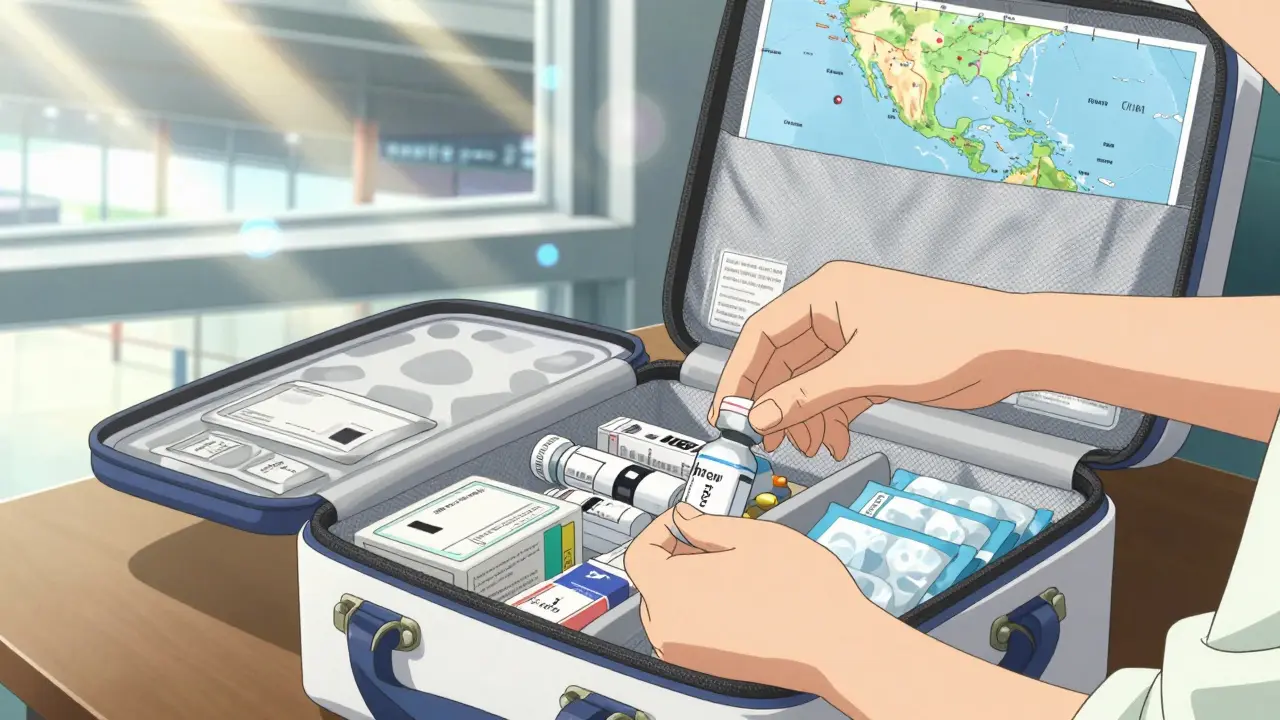
For temperature-sensitive drugs, the rules are stricter. Insulin, for example, must be kept between 2-8°C (36-46°F) if it is unopened. Once opened, it can typically stay at room temperature for a few weeks, but you must protect it from direct sunlight and excessive heat. Use a dedicated insulated travel case with a cold pack. Never let the ice pack touch the insulin directly, as freezing can destroy the protein structure.
Light sensitivity is another overlooked factor. The CDC notes that nearly a quarter of commonly prescribed medications are light-sensitive. Drugs like nitrates, some antipsychotics, and certain antibiotics can break down when exposed to UV light. Always keep these in opaque containers. If your pharmacy gave them in clear bottles, ask for an amber or opaque vial before you leave.
- Always carry medications in your hand luggage. Checked bags are subject to extreme temperature fluctuations and theft risks.
- Use original packaging. Security agencies worldwide, including the TSA, require medications to be in their original labeled containers to verify authenticity.
- Avoid bathrooms on planes. These areas can get surprisingly warm due to engine heat proximity and lack of climate control consistency.
Side Effect Prevention: Managing the Cascade
Changing your dosing schedule can trigger a cascade of side effects, especially if you are on multiple medications. The goal is to minimize peaks and troughs in blood concentration that could cause adverse reactions. For instance, antihypertensive medications show significantly greater blood pressure variability during the first 72 hours of time zone adjustment. This instability can lead to dizziness, fainting, or in severe cases, stroke risk.
Contraceptive pills present a unique and high-stakes challenge. Combined oral contraceptives require dosing within a 12-hour window to maintain effectiveness, while progestin-only pills have a strict 3-hour window. Missing this window during a long-haul flight can compromise protection against pregnancy. If you are unsure, use backup contraception like condoms for the duration of the trip and for seven days after returning to your normal schedule.
Antiretroviral therapy (ART) for HIV requires precision. Protease inhibitors generally tolerate a 2-hour timing variation, but integrase inhibitors like dolutegravir require adherence within 1 hour. A study published in the Journal of Travel Medicine highlighted that inconsistent dosing can lead to viral resistance, which is a serious long-term health threat. If you are on ART, consult your specialist before booking your trip to create a rigid schedule that accounts for flight times and layovers.
Legal Landmines: What You Can Carry
What is legal in your home country might be illegal abroad. This is one of the most dangerous aspects of travel medication planning. Different countries have vastly different regulations regarding controlled substances, over-the-counter remedies, and even common painkillers.
Japan, for example, prohibits 52 U.S. medications completely. Ephedrine, found in some cold medicines and weight-loss supplements, is banned. Codeine-containing products also require special permits. In the United Arab Emirates, 17 medications require special authorization from the Dubai Health Authority. Carrying prescription opioids or strong sedatives without proper documentation can lead to arrest and imprisonment.
To navigate this, always check the embassy website of your destination country before you pack. Carry a letter from your doctor explaining your medical condition, the necessity of the medication, and your dosage. Keep this letter in English and, if possible, translated into the local language. Store it separately from your medication in case your bag is searched.
Building Your Pre-Travel Protocol
Effective preparation starts four to six weeks before your departure. Do not wait until the night before your flight to figure out your schedule. Start by consulting your healthcare provider with your full itinerary. Provide details on flight durations, layovers, and the total number of time zones you will cross.
Next, calculate your new dosing schedule. If you are taking a medication twice daily, determine whether you will take both doses on the travel day or split them. For example, if you fly east across five time zones, you might take your morning dose before the flight and your evening dose shortly after landing, effectively skipping a gap. Conversely, flying west might mean taking an extra dose to cover the extended day.
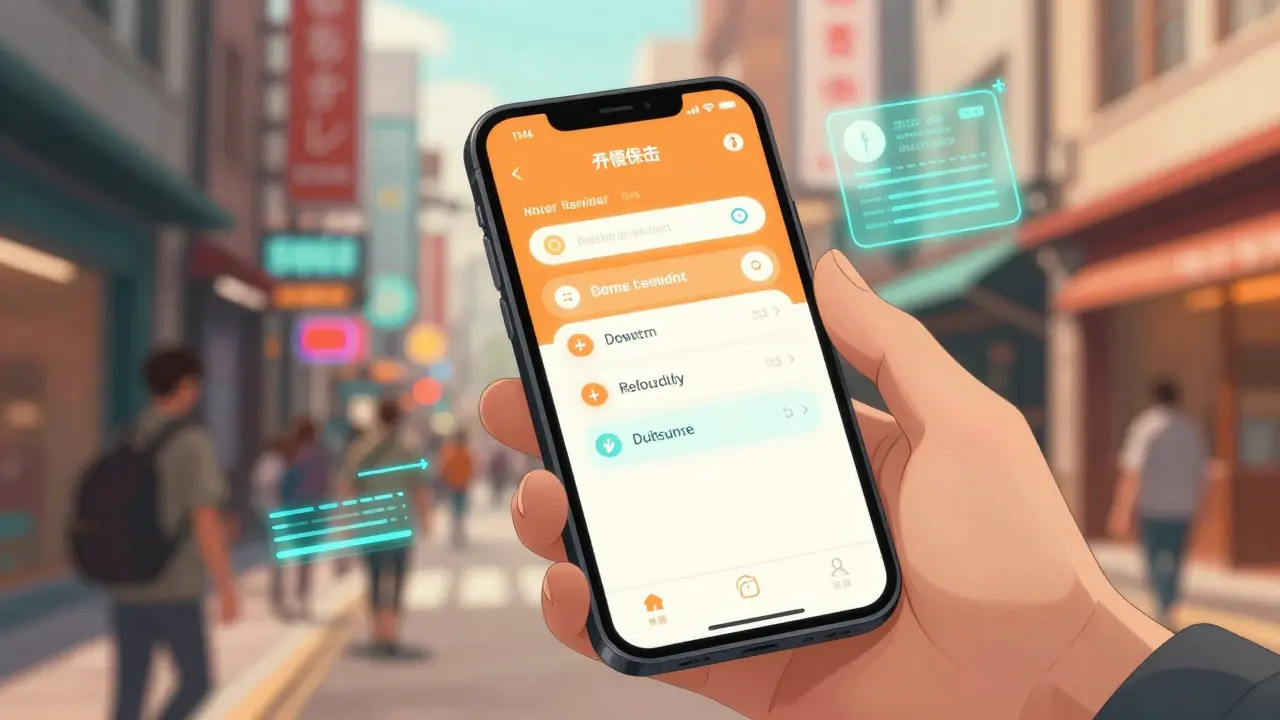
Pack smart. Bring enough medication to last your entire trip plus seven extra days. Delays happen-flights get canceled, borders close, or you might fall ill. Store all meds in your carry-on. Use a pill organizer color-coded by time of day to reduce cognitive load. Set multiple alarms on your phone, synced to your destination time zone, to remind you when to take each dose.
Tech Tools for Adherence
Technology has become a powerful ally in travel medication management. Smartphone apps like Medisafe and MyTherapy have been clinically validated to improve adherence during time zone transitions. These apps allow you to input your medication schedule and automatically adjust for time zone changes. They send push notifications based on your current location, ensuring you never miss a dose.
Some advanced apps even offer AI-powered adjustment algorithms. Research from the University of California San Francisco showed that such tools reduced medication timing errors by 58% compared to manual planning for travelers crossing six or more time zones. While no app replaces professional medical advice, they provide a reliable safety net for complex regimens.
Should I take my medication according to my home time or destination time?
For most travelers crossing more than two time zones, switching to destination time immediately upon arrival is recommended to avoid confusion. However, for critical medications like insulin or antiretrovirals, consult your doctor for a specific plan. Some medications with long half-lives may allow for more flexibility, while others require strict adherence to a fixed interval regardless of time zone.
How do I store insulin while traveling in hot climates?
Unopened insulin must be kept between 2-8°C (36-46°F). Use an insulated travel case with a cold pack, ensuring the ice does not freeze the insulin directly. Opened insulin can be stored at room temperature but must be protected from direct sunlight and extreme heat. Never leave insulin in a hot car or checked luggage.
What documents should I carry for my prescription medications?
Carry a letter from your doctor detailing your diagnosis, medication names, dosages, and medical necessity. Keep medications in their original labeled containers. Check the embassy website of your destination for specific import restrictions, as some countries ban common drugs or require permits for controlled substances.
Can I adjust my birth control pill schedule when traveling?
Combined oral contraceptives have a 12-hour dosing window, while progestin-only pills have a strict 3-hour window. Time zone changes can disrupt this rhythm. If you are unsure, use backup contraception like condoms during the trip and for seven days after returning to your normal schedule. Consult your gynecologist for personalized advice.
Are there apps that help manage medication time zones?
Yes, apps like Medisafe and MyTherapy are designed to handle time zone adjustments automatically. They send reminders based on your current location and can reduce timing errors significantly. Some advanced apps use AI to suggest optimal dosing schedules for complex regimens during international travel.