Category: Pharmacology - Page 4
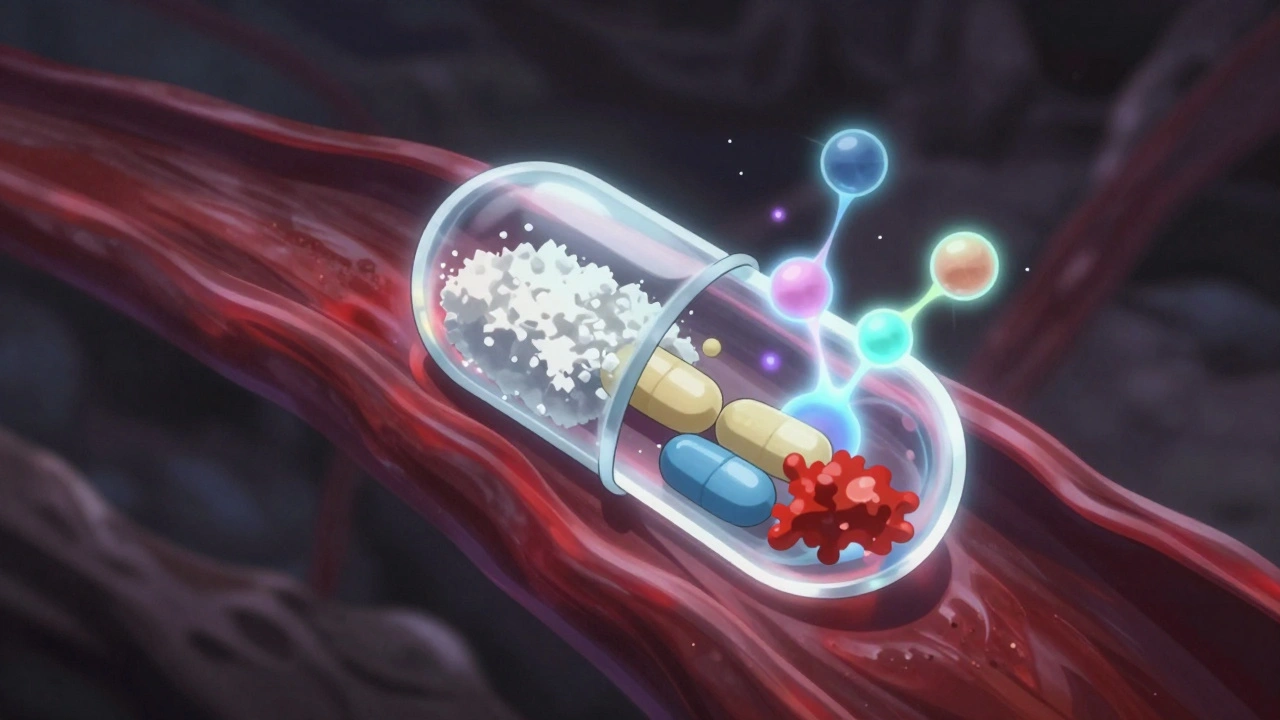
Inactive Ingredient Differences: Can Excipients Affect Safety or Efficacy?
Inactive ingredients in medications-once thought to be harmless-may actually affect how drugs work in your body. Learn how excipients can impact safety and efficacy, and why changing them in generics matters.
Learn more...
Dairy Products and Antibiotic Absorption: How Timing Affects Your Treatment
Dairy products can block antibiotic absorption, leading to treatment failure. Learn which antibiotics are affected, how long to wait before or after dairy, and why timing matters more than you think.
Learn more...
Generic Drug Availability: How Long After Patent Expiration Until It Hits the Market?
Generic drugs don't hit the market right after patent expiration. Legal battles, patent thickets, and regulatory delays often push availability out by years. Here's how the system really works-and why you're still paying high prices.
Learn more...
Severe Hyponatremia from Medications: Recognizing Confusion, Seizures, and How to Prevent Fatal Outcomes
Medication-induced hyponatremia can cause sudden confusion, seizures, and death. Learn which drugs trigger it, who’s at risk, how to spot early signs, and how to prevent life-threatening complications.
Learn more...
Nitrosamine Contamination in Generic Drugs: Recent Recalls and Regulatory Shifts
Nitrosamine contamination in generic drugs has triggered over 500 recalls since 2018. Learn which medications were affected, how regulators are responding, and what this means for patient safety and drug affordability.
Learn more...
Pristiq (Desvenlafaxine) vs Alternatives: What Works Best for Depression and Anxiety
Pristiq (desvenlafaxine) is one option for depression and anxiety, but it's not the only one. Learn how it compares to SSRIs, other SNRIs, Wellbutrin, and Remeron-plus when to consider switching.
Learn more...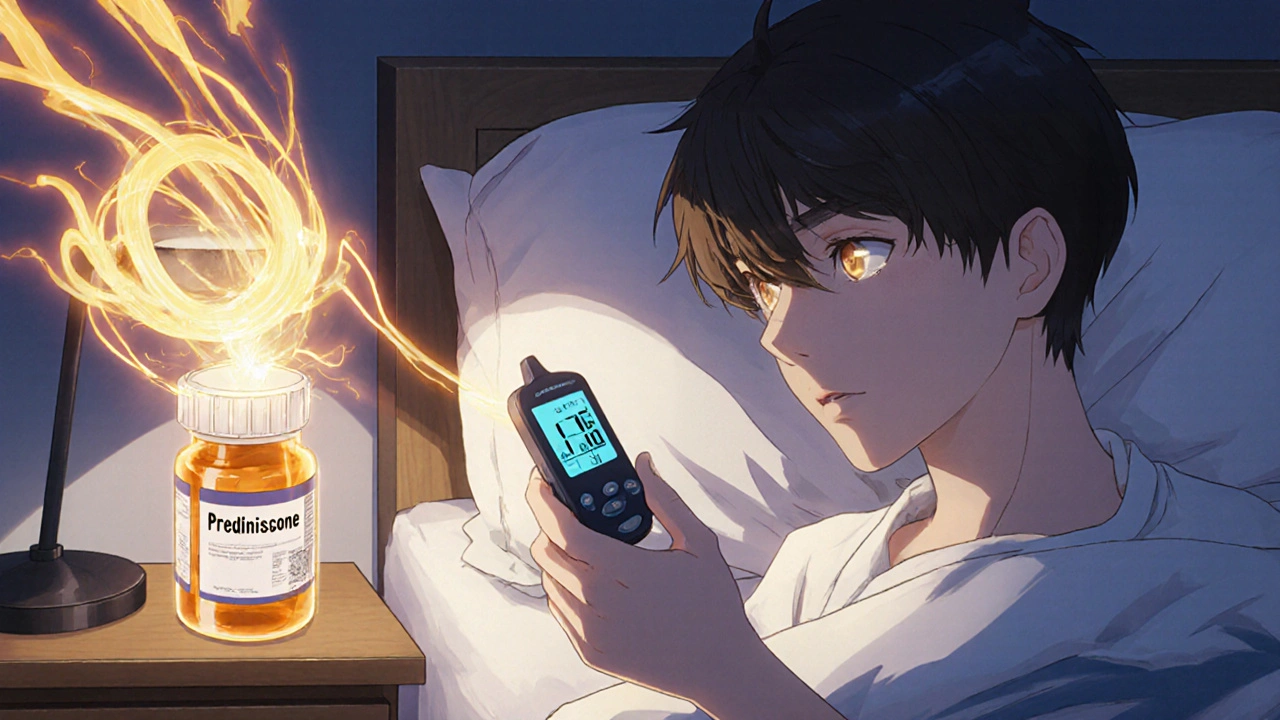
Steroid-Induced Hyperglycemia: How to Adjust Diabetes Medications Safely
Steroid-induced hyperglycemia is a common and dangerous side effect of steroid therapy. Learn how to adjust insulin and other diabetes medications safely based on steroid type, dose, and timing to avoid dangerous highs and lows.
Learn more...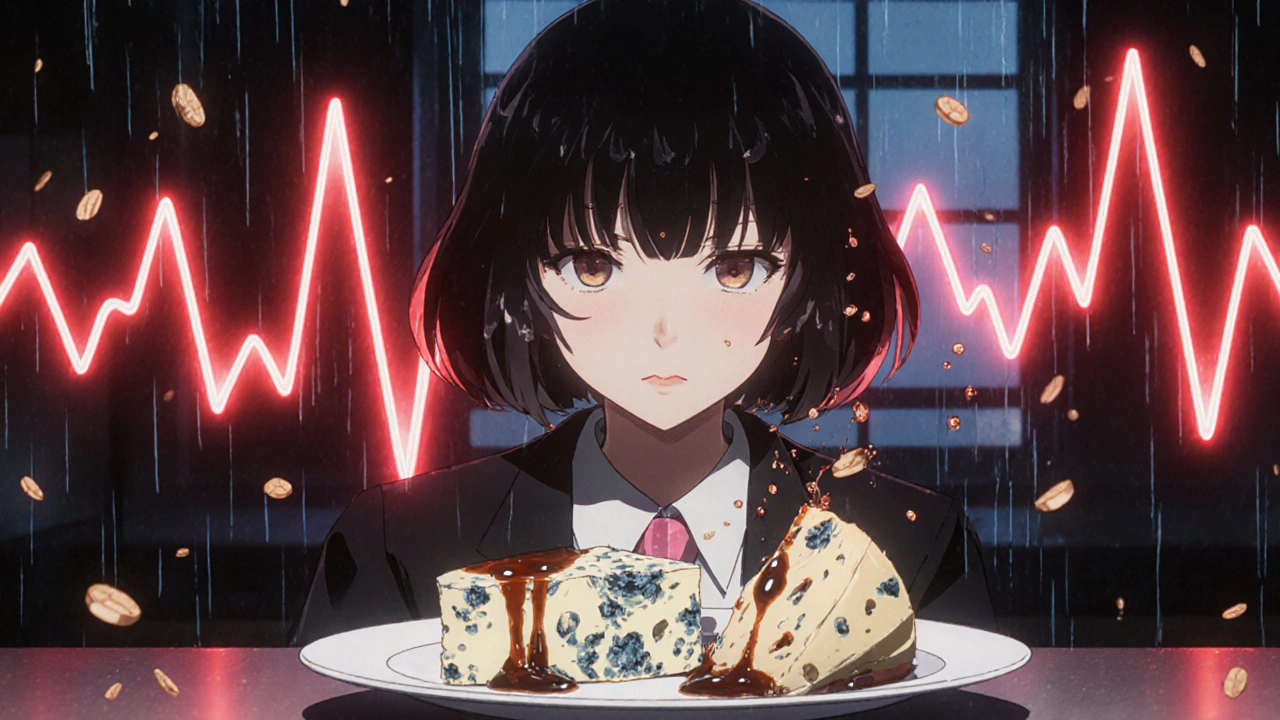
Tyramine-Rich Foods and MAO Inhibitors: What You Must Avoid to Prevent Hypertensive Crisis
MAO inhibitors can cause dangerous blood pressure spikes when mixed with tyramine-rich foods like aged cheese, soy sauce, or red wine. Learn which foods to avoid, how different MAOIs affect risk, and what to do if you accidentally eat something unsafe.
Learn more...
Clenbuterol and Bone Density: How This Drug Affects Your Bones
Clenbuterol may help with fat loss, but it silently weakens bones. Learn how it reduces bone density, who's at risk, and how to protect or rebuild your skeleton after use.
Learn more...
Nimotop (Nimodipine) vs Alternatives: What Works Best for Subarachnoid Hemorrhage?
Nimotop (nimodipine) is the standard treatment to prevent brain artery spasms after a bleed, but alternatives like IV nicardipine, verapamil, and magnesium sulfate may work better for some patients. Here’s what actually works in real-world care.
Learn more...