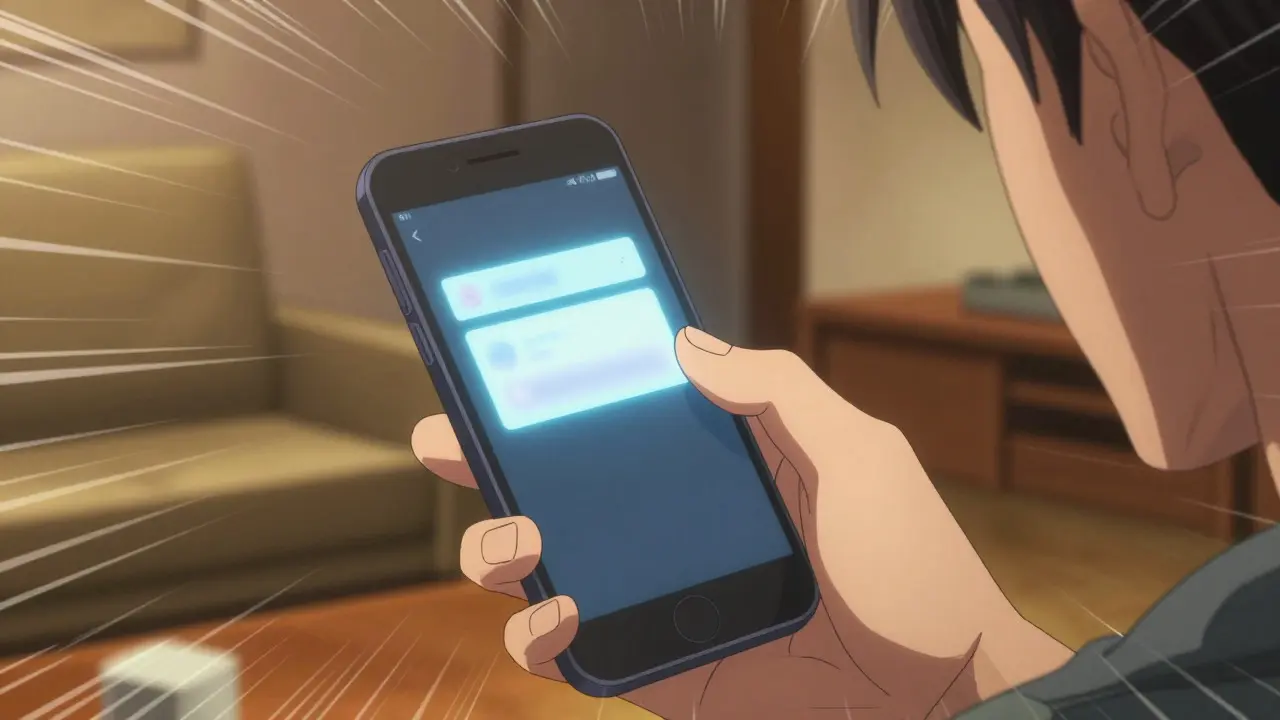
Imagine getting a text message that says your blood pressure medication might be contaminated. Do you stop taking it immediately? Or do you keep popping pills while waiting for a call from your doctor? This is the exact panic point where most patients make mistakes that can hurt them more than the recalled drug itself. A medication recall is a formal action taken to remove a pharmaceutical product from the market when it is found to be defective, potentially harmful, or not in compliance with regulatory standards. It sounds scary, but knowing exactly what to do in the first hour can save your health and your peace of mind.
Quick Summary / Key Takeaways
- Do not stop your medication abruptly unless told to by a professional; sudden cessation often causes more harm than the recall risk.
- Check the lot number on your bottle against the official notice; only specific batches are usually affected, not all products.
- Contact your pharmacy immediately; they have protocols to replace affected drugs within 24-48 hours.
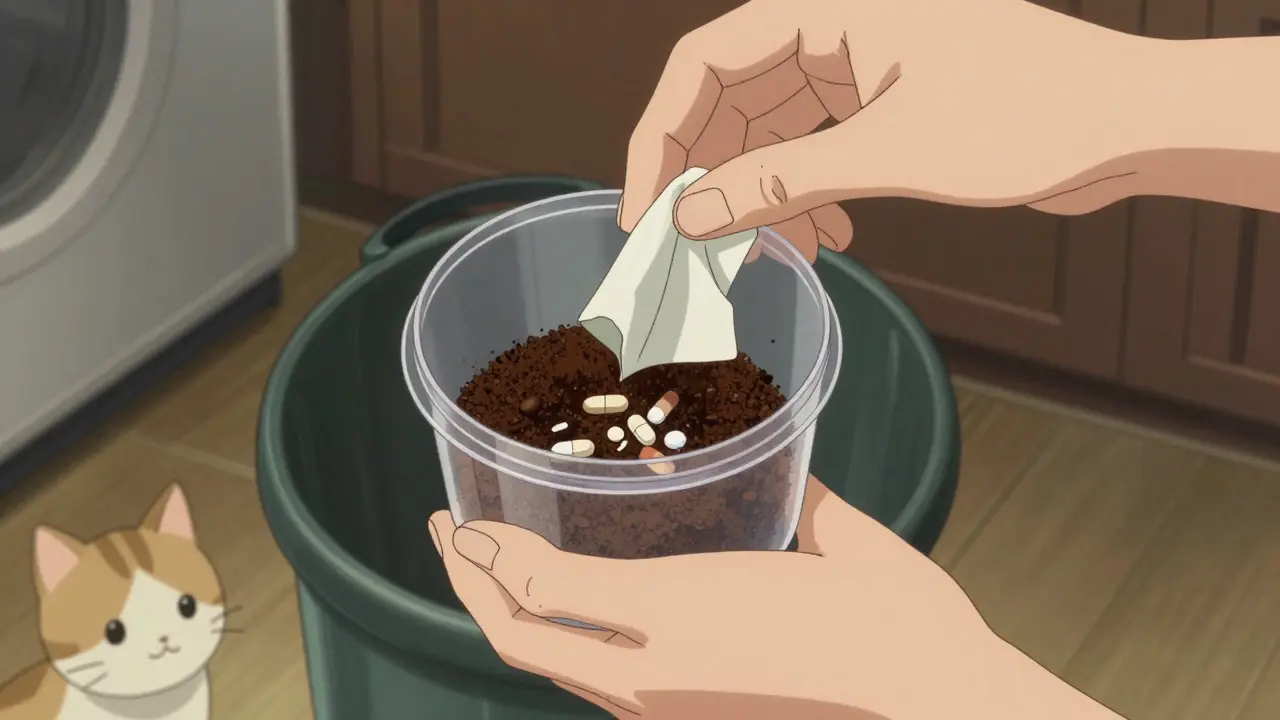
- Disposal matters: Mix meds with coffee grounds or cat litter before trashing them to prevent accidental ingestion by kids or pets.
- Keep a log: Writing down lot numbers and expiration dates helps you verify recalls quickly next time.
Understanding the Recall Levels
Not all recalls are created equal. The U.S. Food and Drug Administration (FDA) classifies recalls into three tiers based on risk. Understanding these helps you gauge how urgent the situation really is. Class I Recalls represent the highest risk, where there is a reasonable probability that using the product will cause serious adverse health consequences or death. These account for about 15% of all recalls. Class II Recalls involve moderate risk, where use may cause temporary or medically reversible adverse health consequences. Finally, Class III Recalls are the lowest risk, unlikely to cause adverse health consequences at all.
Here is a reality check: according to FDA data from 2022, approximately 70% of recalls are precautionary. That means many times, the risk is theoretical rather than immediate. However, because Class I recalls require immediate action, you should treat every notification seriously until verified. In 2022 alone, there were 4,872 drug recalls. The majority stemmed from manufacturing issues (65%), followed by labeling problems (20%) and contamination concerns (10%). Knowing this breakdown helps you understand that most recalls are about quality control, not necessarily poison in your pill.
| Risk Level | Definition | Frequency | Patient Action |
|---|---|---|---|
| Class I | Serious adverse health consequences or death | ~15% | Immediate verification, contact provider |
| Class II | Temporary or reversible adverse effects | ~50% | Verify lot number, monitor symptoms |
| Class III | Unlikely to cause adverse effects | ~35% | Check notice, dispose if instructed |
The First Hour: What To Do Immediately
When you see a recall alert, resist the urge to throw the bottle in the bin. Instead, follow this sequence. First, locate your medication bottle. Look for the lot number, which is usually printed on the side or bottom of the label. Compare this number to the list provided in the recall notice. If your lot number matches, you have an affected product. If it doesn't, you are likely safe, but still call your pharmacist to confirm.
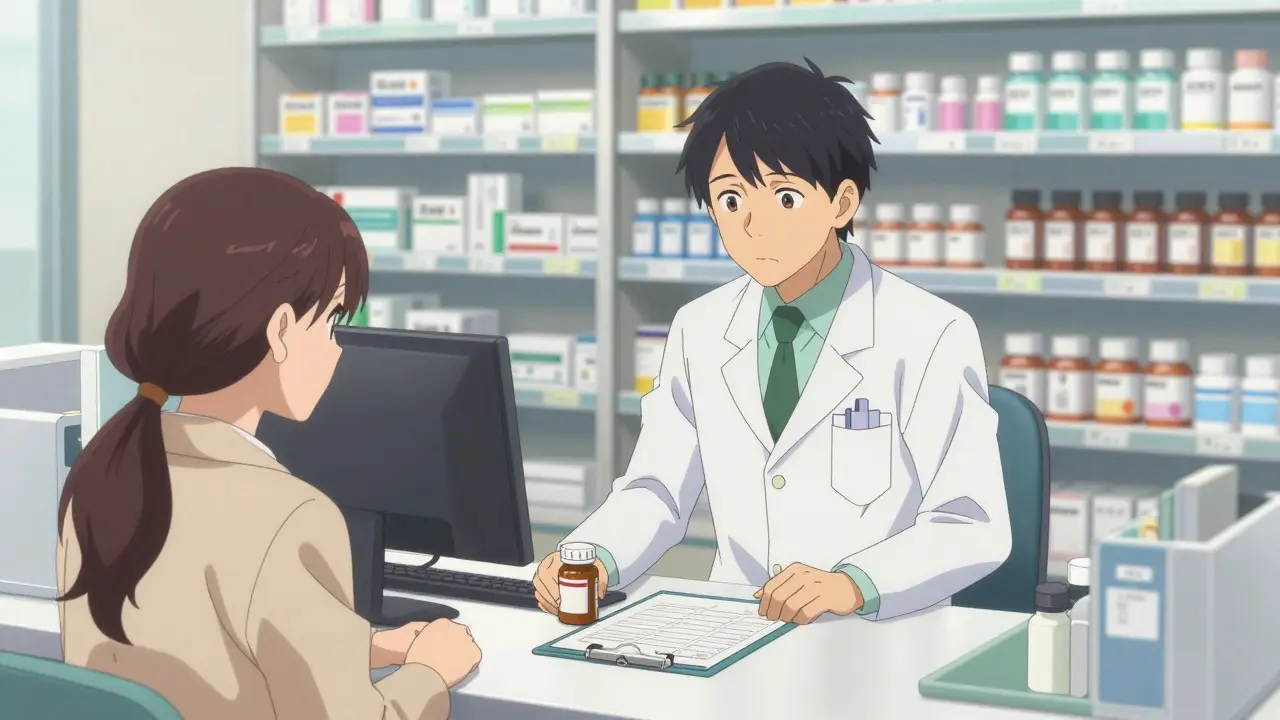
Second, call your pharmacy. According to the American Pharmacists Association, 92% of pharmacies have established recall response protocols. They can tell you if your specific batch is affected and often have replacement medications from unaffected lots or alternative manufacturers ready to go. Most replacements happen within 24 to 48 hours. Do not drive across town to a different pharmacy without calling first; your local pharmacist knows your history and can advise you best.
Third, and most importantly, keep taking your medication unless a doctor tells you otherwise. The FDA specifically warned against abruptly discontinuing medication during the valsartan recall in 2021. For chronic conditions like hypertension or diabetes, stopping suddenly can lead to rebound effects that are far more dangerous than the potential impurity in the drug. Your body has adjusted to the medication, and shock withdrawal is a real medical event.
How To Verify If Your Med Is Affected
You don't have to rely solely on news alerts. You can check the official source yourself. The FDA maintains a public database of recalls. Here is how to navigate it:
- Go to the FDA website and search for the brand name or generic name of your drug.
- Use the 'Product Type' dropdown menu to narrow results (e.g., tablets, injections).
- Look for the specific recall entry. Click on the product name for detailed information.
- Check the 'Lot Numbers' section. If your bottle's number isn't listed, you are generally clear.
Many healthcare professionals subscribe to the FDA's RSS feed system for real-time notifications. While you might not set up an RSS feed, keeping the FDA website bookmarked is a smart move. Note that only 5% of drug recalls involve life-threatening issues. The other 95% are often minor labeling discrepancies or packaging errors that don't affect the chemical safety of the pill but need correction for regulatory compliance.
Proper Disposal of Recalled Medications
If your pharmacist confirms you need to return or discard the medication, do it right. Flushing pills down the toilet is often discouraged unless specifically stated on the label, as it harms water systems. Throwing them in regular trash risks accidental ingestion by children or pets. The recommended method is to mix the medications with unpalatable substances like coffee grounds, cat litter, or old diaper wipes. Once mixed, seal them in a plastic container or bag. Then, throw the container in the outdoor trash where animals cannot reach it.
Scrap off the labels if possible to protect your privacy, though this is less critical if the meds are already destroyed. If the recall notice includes specific disposal instructions, follow those exactly. If the instructions seem unclear, ask your pharmacist. They deal with this daily and can give you the safest, most compliant method for your specific drug.
Monitoring Your Health After a Recall
Even if you switch to a new medication, stay vigilant. The FDA's Adverse Event Reporting System documented 1.2 million medication-related adverse events in 2022. About 8% of these were linked to products that were later recalled. Keep a simple journal. Write down any unusual symptoms, headaches, rashes, or changes in how you feel after taking the new or remaining medication. Bring this log to your next doctor's appointment. It provides concrete data that helps your provider decide if the new treatment is working well.
Consider signing up for the FDA's MedWatch program. It allows patients to report adverse events directly. In 2022, it received 142,000 consumer reports, and 27% led to investigations. Your voice matters. If you suspect a problem, report it. It helps catch issues early for everyone else.
Common Mistakes To Avoid
Patients often react emotionally rather than logically. Here are the top errors to avoid:
- Stopping meds cold turkey: Reported in 22% of cases in FDA surveys. This is dangerous for heart, blood pressure, and seizure medications.
- Assuming all lots are bad: 45% of patients initially think the whole brand is recalled. Usually, it's just one or two batches.
- Improper disposal: 30% of people flush or trash meds incorrectly. This creates environmental and safety hazards.
To prevent future stress, start a medication log today. Write down the name, dose, lot number, and expiration date for each prescription. Only 18% of patients currently do this, but those who do resolve recall concerns 60% faster. It takes five minutes now to save hours of panic later.
Frequently Asked Questions
Should I stop taking my medication if it is recalled?
Generally, no. Unless a doctor or pharmacist tells you to stop, continue taking your current medicine. Abruptly stopping chronic medications can cause severe rebound effects. Call your provider to get a replacement or alternative plan first.
How do I know if my specific bottle is affected?
Check the lot number on your bottle against the list in the official recall notice. You can find this on the FDA website or by calling your pharmacy. Most recalls affect only specific batches, not the entire product line.
What is the difference between Class I and Class II recalls?
Class I recalls are high-risk situations where use could cause serious harm or death. Class II recalls are moderate-risk, where harm might be temporary or reversible. Class I requires immediate attention, while Class II allows for slightly more time to verify and plan.
Where should I throw away recalled pills?
Mix them with something unpleasant like coffee grounds or cat litter, seal them in a plastic bag, and put them in the outdoor trash. Avoid flushing unless the label specifically says it is safe to do so.
How long does it take to get a replacement medication?
Most pharmacies can provide replacements from unaffected lots or alternative brands within 24 to 48 hours. Call your pharmacy as soon as you see the recall notice to start the process.