
Second-Generation Antihistamine Selector
Select your criteria and click "Find Best Match" to see recommendations.
Drug Name
Brand ExampleReason text goes here.
Key Characteristics:
Remember the old days when taking an allergy pill meant signing up for a nap? You’d pop a tablet to stop the sneezing, only to feel like your brain was wrapped in cotton wool by noon. That era is largely over thanks to second-generation antihistamines, which are modern H1-receptor antagonists designed to block allergic reactions without causing significant drowsiness. These medications have revolutionized how we manage seasonal allergies, hives, and itchy skin, offering effective relief while letting you keep your day job.
But not all non-drowsy pills are created equal. Some still cause subtle fatigue, others struggle with nasal congestion, and understanding the chemistry behind them can help you pick the right one. This guide breaks down why these drugs work better than their predecessors, which specific medication might fit your lifestyle, and what recent science tells us about their safety.
Why Second-Generation Is Different From First-Generation
To understand why second-generation antihistamines are considered safer, you have to look at where they act in your body. The older first-generation drugs, like diphenhydramine (Benadryl), are small, lipophilic molecules. This means they easily slip through the blood-brain barrier. Once inside the brain, they block histamine receptors that regulate wakefulness, leading to that heavy sedation effect. They also block acetylcholine, which causes dry mouth and blurred vision.
Second-generation antihistamines, such as loratadine, cetirizine, and fexofenadine, were engineered differently. According to research published in Nature Communications (Wang et al., 2024), these newer compounds bind specifically to peripheral H1 receptors-the ones on your skin and nasal passages-while rarely crossing into the central nervous system. Their molecular structure is larger and more polar, making them "lipophobic." In simple terms, they don’t like fat, so they bounce off the fatty layers of the blood-brain barrier.
The result is a dramatic drop in side effects. Clinical data shows that second-generation agents are 72-89% less likely to cause sedation compared to first-gen options. While Benadryl causes drowsiness in 50-60% of users, modern alternatives see rates between 6-14%. For most people, this difference is the line between being able to drive safely and needing to pull over.
How They Work: The Science Behind the Relief
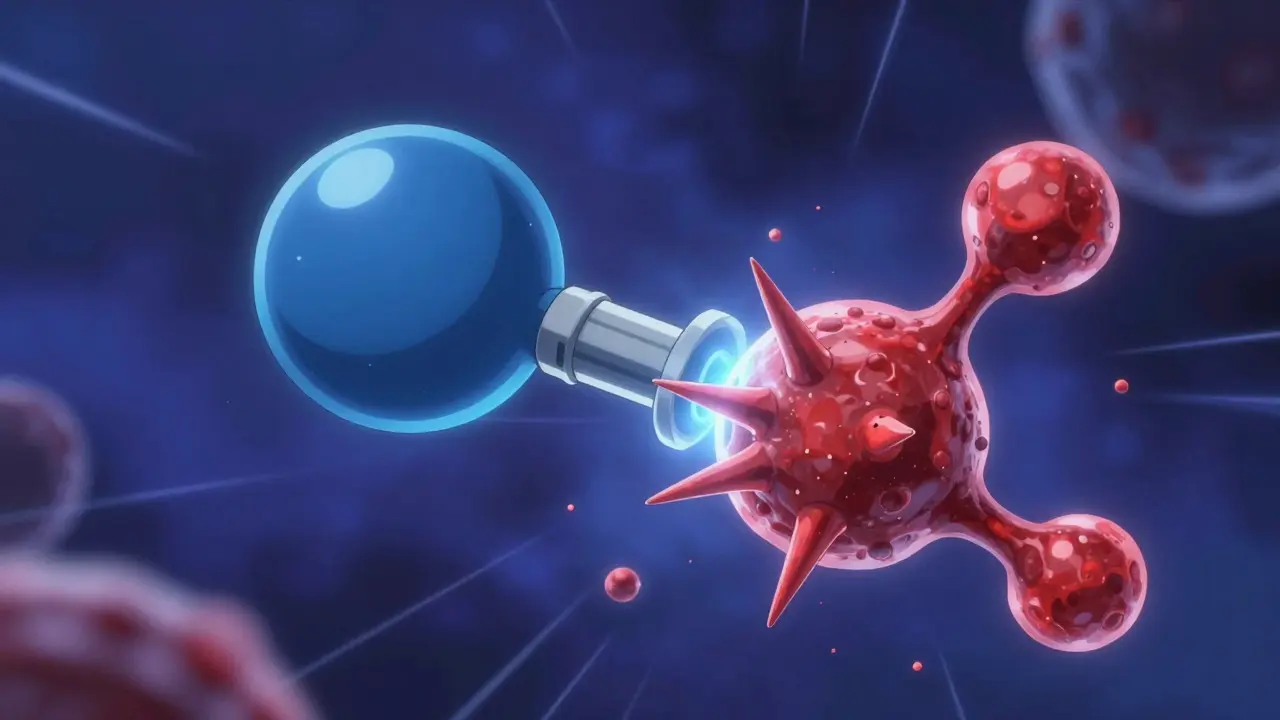
Allergic reactions happen when your immune system releases histamine. This chemical binds to H1 receptors on cells, triggering inflammation, itching, and mucus production. Antihistamines work by sitting in those receptor seats, blocking histamine from docking.
Cryo-electron microscopy studies have revealed exactly how this happens. The drug molecule inserts a phenyl group into a deep hydrophobic cavity within the receptor. This physical blockage prevents a specific part of the receptor protein (residue W428) from moving. Think of it like jamming a key into a lock so the door can’t turn. Because second-generation drugs are highly selective for this specific binding site, they avoid interfering with other neurotransmitters in the brain.
This selectivity is why they last longer too. First-generation drugs typically wear off in 4 to 6 hours, requiring multiple doses throughout the day. Second-generation options have elimination half-lives ranging from 8 to 20 hours. Cetirizine lasts about 8.3 hours, fexofenadine around 11-15 hours, and loratadine 8-18 hours. This allows for once-daily dosing, which improves adherence and keeps symptom control steady.
Comparing the Top Contenders: Loratadine, Cetirizine, and Fexofenadine
While they share the same goal, these three major players have distinct personalities. Choosing the right one often comes down to balancing efficacy against residual side effects.
| Drug Name | Brand Examples | Sedation Risk | Onset of Action | Best For |
|---|---|---|---|---|
| Fexofenadine | Allegra | Very Low | 1-2 hours | People who need zero drowsiness; cardiac concerns |
| Loratadine | Claritin | Low | 1-3 hours | Mild seasonal allergies; elderly patients |
| Cetirizine | Zyrtec | Moderate | 1 hour | Severe itching; rapid symptom relief |
Fexofenadine is the purest "non-sedating" option. It undergoes minimal liver metabolism (only 5%), meaning it doesn’t interact heavily with other medications processed by the CYP3A4 enzyme system. About 60% is excreted unchanged in feces and 40% in urine. If you take many other prescriptions, this is often the safest bet.
Loratadine is another low-risk choice, widely used for its gentle profile. However, some users find it slightly slower to kick in or less potent for intense itching compared to cetirizine.
Cetirizine is arguably the most effective for stopping itch and hives quickly. But here’s the catch: it crosses the blood-brain barrier slightly more than the others. While still classified as second-generation, about 10-14% of users report feeling drowsy. If you’re sensitive to sedatives, start with a lower dose or try fexofenadine instead.
What They Can’t Do: The Congestion Problem
There is a common misconception that antihistamines cure all cold and flu symptoms. They don’t. A pivotal study by Muether et al. (2001) showed that second-generation antihistamines are ineffective at suppressing sneezing caused by viral infections like the common cold. Why? Because viral sneezing isn’t driven solely by histamine. First-generation drugs helped there because they blocked acetylcholine, but second-gen drugs lack this secondary action.
More importantly for allergy sufferers, second-generation antihistamines do very little for nasal congestion. Histamine causes runny noses and sneezing, but swelling in the nasal passages (congestion) involves different inflammatory pathways. If your nose is completely blocked, an antihistamine alone won’t open it up. You’ll likely need to add a decongestant (like pseudoephedrine) or a nasal corticosteroid spray (like fluticasone). Combination products like Allegra-D exist for this exact reason, pairing fexofenadine with a decongestant.
Safety Profile and Drug Interactions
The safety record of current second-generation antihistamines is excellent, but it wasn’t always this way. The first attempts at non-sedating drugs, terfenadine and astemizole, were withdrawn in the late 1990s. They caused dangerous heart rhythm issues (QT prolongation) when taken with certain antibiotics or antifungals that inhibited their liver breakdown. This led to toxic levels building up in the blood.
Modern drugs learned from this. Fexofenadine is actually the active metabolite of terfenadine, but it lacks the cardiac toxicity. Current FDA guidelines emphasize that while rare, interactions can still occur. For example, grapefruit juice can inhibit enzymes that break down some drugs, potentially increasing side effects. Always check labels if you’re taking azole antifungants or macrolide antibiotics.
Pregnancy categories vary, but generally, loratadine and cetirizine are considered safe options after the first trimester, though consulting a doctor is essential. For children, pediatric formulations are available, but dosing must be weight-based.

Real-World Usage Tips
Getting the most out of these medications requires a bit of strategy. Here is what works best based on clinical guidelines and user feedback:
- Pre-treat if possible: The Cleveland Clinic recommends taking these meds 1-2 hours before known allergen exposure. Studies show this proactive approach reduces symptoms by 40-50% compared to waiting until you’re already sneezing.
- Consistency matters: Don’t just take them on bad days. For chronic seasonal allergies, daily use maintains steady blood levels and prevents the inflammatory cascade from starting.
- Watch for headaches: While rare, some users report headaches with loratadine or cetirizine. If this happens, switching to fexofenadine often resolves the issue.
- Combine wisely: If antihistamines aren’t enough for congestion, add a saline rinse or steroid spray. Avoid doubling up on oral decongestants unless directed by a pharmacist, as this can raise blood pressure.
The Future of Allergy Relief
Science hasn’t stopped improving these drugs. Recent structural biology research has identified a secondary ligand-binding site on the H1 receptor. This discovery could lead to "third-generation" antihistamines that are even more selective, potentially eliminating the residual drowsiness seen in some cetirizine users entirely. Additionally, new extended-release formulations are in development to allow for weekly rather than daily dosing, addressing the compliance issues faced by 37% of current users.
Despite climate change increasing pollen counts by an estimated 25-30% by 2050, second-generation antihistamines remain the cornerstone of allergy management. They offer the best balance of safety, efficacy, and convenience available today.
Are second-generation antihistamines safe for long-term use?
Yes, they are generally safe for long-term daily use. Unlike first-generation antihistamines, they do not accumulate toxic levels in the body or cause significant cognitive impairment over time. However, if you experience persistent side effects like dry mouth or headaches, consult your doctor to switch brands.
Can I drink alcohol while taking second-generation antihistamines?
Moderate alcohol consumption is usually fine with fexofenadine or loratadine, as they have minimal CNS effects. However, with cetirizine, alcohol may enhance mild drowsiness. It is best to monitor how your body reacts before driving or operating machinery.
Why does my nose still feel blocked even after taking an antihistamine?
Antihistamines primarily treat sneezing, itching, and runny nose. They do not effectively reduce nasal swelling (congestion). To address blockage, you should combine an antihistamine with a nasal decongestant spray or an oral decongestant like pseudoephedrine.
Is Zyrtec (cetirizine) really non-drowsy?
It is classified as non-drowsy, but it has a higher rate of sedation (around 10-14%) compared to fexofenadine or loratadine. If you are sensitive to sleepiness, fexofenadine is a better choice. Many users tolerate cetirizine well, especially when taken at night.
Do I need a prescription for second-generation antihistamines?
No, most second-generation antihistamines (loratadine, cetirizine, fexofenadine) are available over-the-counter in standard doses. Higher doses or combination products with decongestants may require a pharmacy consultation or prescription depending on local regulations.