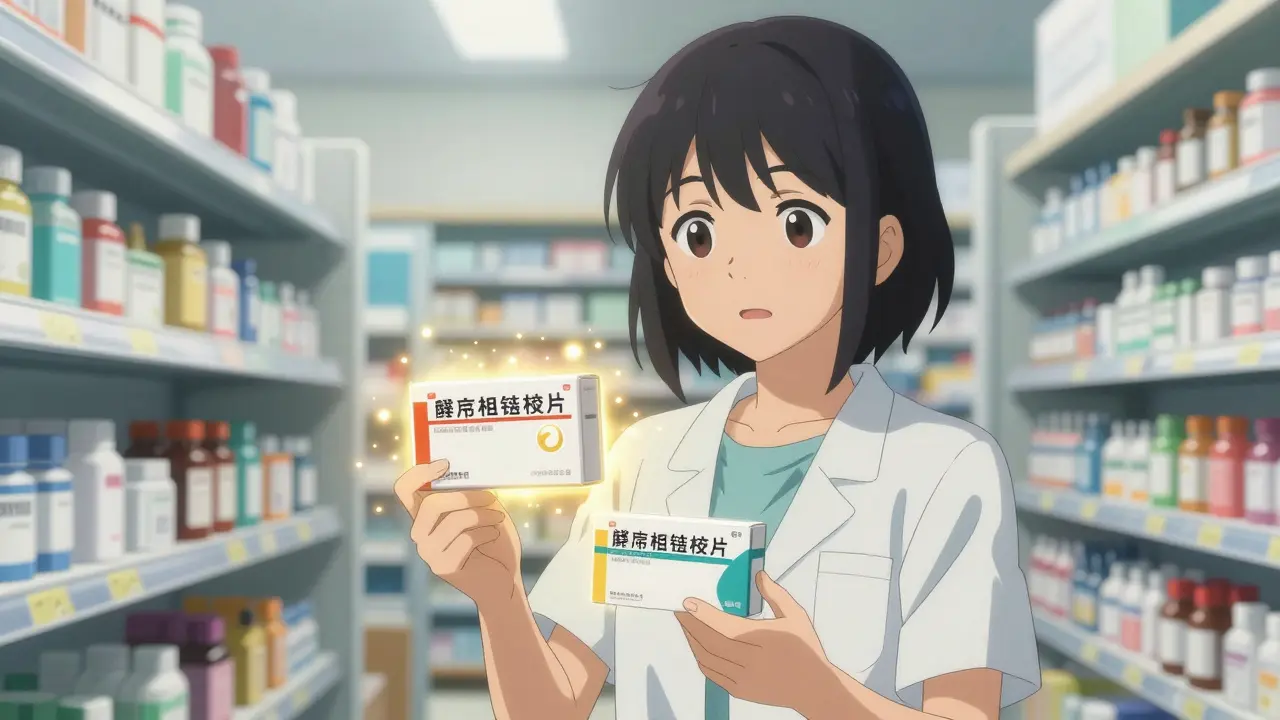
You’ve been taking the same prescription medication for years. You know the color, the shape, and the specific logo on the bottle. Then one day, your pharmacist hands you a box that looks slightly different, costs less, but isn’t labeled with the big brand name you trust. It’s an authorized generic, defined as a pharmaceutical product identical in formulation to its brand-name counterpart but marketed without the brand identification. Before you panic or refuse the switch, take a breath. This isn’t a cheap knock-off made by a third-party factory trying to cut corners. In many cases, it is literally the exact same medicine coming out of the exact same factory.
The confusion around authorized generics is real, but so are the benefits. Understanding what they are-and how they differ from traditional generics-can save you money without compromising your health. Here is everything you need to know about making this switch smoothly.
What Exactly Is an Authorized Generic?
To understand an authorized generic, you first have to look at who makes it. Unlike traditional generic drugs, which are produced by completely different companies after a patent expires, an authorized generic is produced by the original brand-name manufacturer. They simply choose not to put their famous brand label on the package.
This distinction matters because of the regulatory pathway. Traditional generics must file an Abbreviated New Drug Application (ANDA) to prove they are bioequivalent to the brand. Authorized generics operate under the original brand’s New Drug Application (NDA). According to the FDA’s Orange Book, these products are therapeutically equivalent. Since the manufacturer is the same, the active ingredients, inactive ingredients, and manufacturing processes are identical to the brand-name version.
Why do companies do this? It’s mostly about market strategy. The Hatch-Waxman Act grants the first generic competitor 180 days of marketing exclusivity. During this window, no other generic can enter the market. By launching an authorized generic, the brand company can compete against its own future competitors, keeping prices lower than they would be if only one generic existed, while maintaining some control over the supply chain.
Authorized Generics vs. Traditional Generics: The Key Differences
Not all non-brand pills are created equal. While both authorized generics and traditional generics offer savings, their origins and compositions differ significantly.
| Feature | Authorized Generic | Traditional Generic |
|---|---|---|
| Manufacturer | Original brand-name company | Different, independent company |
| Active Ingredients | Identical to brand | Identical to brand |
| Inactive Ingredients | Identical to brand | May differ from brand |
| Regulatory Approval | Covers original NDA | Requires separate ANDA approval |
| Pill Appearance | Often identical to brand | Usually different color/shape |
The most critical difference for patients lies in the inactive ingredients. These are the binders, fillers, and coatings that hold the pill together. If you have a sensitivity to dyes, gluten, or lactose, a traditional generic might trigger a reaction even if the active drug is fine. An authorized generic avoids this risk entirely because it uses the brand’s original formula.

Financial Benefits: How Much Can You Save?
The primary reason people switch to authorized generics is cost. Data shows significant price reductions when these products enter the market. Studies indicate that authorized generics reduce initial generic drug prices by 8.4% to 10.3% based on Medicaid data, and up to 18.2% in on-invoice prices.
For the average patient, this translates to immediate out-of-pocket savings. Medicare Part D data from recent years suggests that automatic substitution to authorized generics can reduce costs by $15 to $30 per prescription. Over a year, that adds up to hundreds of dollars saved, especially for chronic conditions requiring daily medication.
Insurance plans often drive this switch. Most health plans automatically substitute authorized generics when available, covering them instead of the brand-name medicine. This means you rarely have to fight for the discount; it just happens at the pharmacy counter.
Practical Steps for Switching Smoothly
If your doctor or insurer suggests switching to an authorized generic, here is how to handle the transition without stress.
- Verify the Source: Don’t assume every generic is an authorized one. Check the FDA’s quarterly updated list of reported authorized generics. This public resource confirms which drugs are true AGs versus traditional generics.
- Talk to Your Pharmacist: Pharmacists are your best allies here. Ask them directly: "Is this pill manufactured by the same company as the brand name I was taking?" They can check the National Drug Code (NDC) to verify the manufacturer.
- Check for Appearance Changes: Even though the formula is identical, the packaging will lack the brand name. Sometimes, the pill itself might look different if the manufacturer changed the coating process for the generic label, though this is less common with AGs than traditional generics. If the appearance changes, ask your pharmacist to confirm it is still the same formulation.
- Monitor Your Body: For the first few weeks, pay attention to how you feel. While clinical studies show similar outcomes between authorized generics and brand names, individual responses can vary. Keep a simple log of any side effects or changes in efficacy.
- Review Insurance Coverage: Ensure your insurance plan covers the authorized generic. Some specialty tier medications may require prior authorization for the switch, so call your provider beforehand to avoid surprise bills.
Addressing Common Concerns
It is natural to feel skeptical when something looks different. About 65% of patient questions regarding authorized generics relate to appearance differences. Remember, the Federal Trade Commission (FTC) has confirmed that competition from authorized generics leads to lower retail and wholesale prices without compromising quality.
A major concern is whether authorized generics stifle competition. Critics argue that brand companies use AGs to block traditional generics during the 180-day exclusivity period. However, consumer advocacy groups and the FTC agree that the net effect is positive for patients: lower prices and access to high-quality, brand-identical formulations.
Another myth is that authorized generics are "less effective." This is false. Because they share the brand’s NDA, they undergo the same rigorous testing standards. A 2018 study published in Health Affairs found that patients using authorized generics had similar outcomes, including medication discontinuation rates and hospitalization risks, compared to those using traditional generics or brand names.
When Might You Stick with the Brand?
While authorized generics are excellent options, there are rare scenarios where sticking with the brand might make sense. If your insurance plan offers negligible copay differences between the brand and the AG, and you value the familiarity of the packaging for peace of mind, you might choose to stay. Additionally, if you have complex medical needs where even minor variations in absorption matter (though unlikely with AGs), discuss therapeutic equivalence codes with your doctor.
However, for the vast majority of patients, the authorized generic represents the sweet spot: brand-level quality at generic-level pricing.
Are authorized generics safe?
Yes, authorized generics are considered safe. They contain the exact same active and inactive ingredients as the brand-name drug and are manufactured in the same facilities. They meet all FDA quality and safety standards.
How do I know if my medication is an authorized generic?
You can check the FDA's quarterly list of authorized generics online. Alternatively, ask your pharmacist to identify the manufacturer. If the manufacturer is the same as the brand-name company, it is likely an authorized generic.
Will my insurance cover authorized generics?
In most cases, yes. Insurance plans typically prefer authorized generics because they are cheaper. They often automatically substitute the brand-name prescription with an authorized generic at the pharmacy level.
Can authorized generics look different from the brand?
Can authorized generics look different from the brand?
Sometimes. While the formulation is identical, the packaging will not have the brand name. Occasionally, the pill’s color or shape may differ due to labeling requirements, but this does not affect how the drug works.
Do authorized generics work as well as brand-name drugs?
Yes. Because they are made by the same company using the same process, authorized generics are therapeutically equivalent to brand-name drugs. Clinical studies show similar effectiveness and safety profiles.