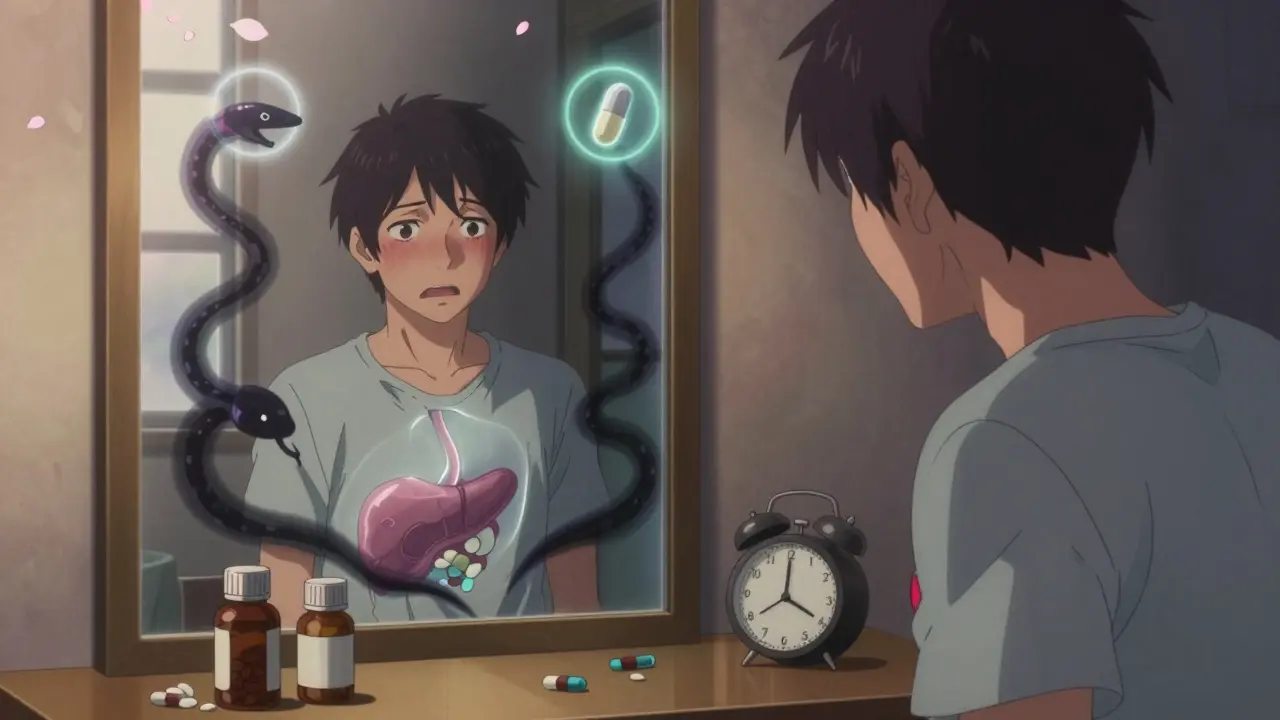
Living with a Transplanted Organ Means Lifelong Drug Therapy
After an organ transplant, your body sees the new organ as an invader. To stop your immune system from attacking it, you must take powerful drugs every single day-often for the rest of your life. These are called immunosuppressants. They’re not optional. Skip a dose, and your body could start rejecting the transplant. But these same drugs weaken your defenses in ways that bring serious, long-term problems. The balance is fragile: too little, and you lose the organ. Too much, and you face infections, cancer, or organ damage. For most transplant recipients, this is the daily reality.
How Immunosuppressants Work-and Why They’re So Dangerous
There are three main classes of drugs used after transplants, and they work in different ways. The most common is tacrolimus, a calcineurin inhibitor. It blocks a key signal in immune cells, stopping them from multiplying. About 92% of kidney transplant patients in the U.S. take it. It’s effective, but it’s also tricky. Its levels in your blood must be just right. Too high? You risk kidney damage, tremors, or nerve problems. Too low? Rejection kicks in. That’s why doctors check your blood levels every week at first, then monthly. Even small changes in your diet, other meds, or health can throw it off.
Another drug, mycophenolate mofetil (CellCept), stops immune cells from making the DNA they need to grow. It’s great at preventing rejection, but it’s rough on the gut. Between 30% and 50% of people on this drug get diarrhea, nausea, or stomach pain. Some can’t tolerate it at all. Others switch to azathioprine, which is cheaper but causes more bone marrow suppression-leading to low white blood cell counts and higher infection risk.
Corticosteroids like prednisone are still used, but less than before. They’re powerful anti-inflammatories, but they cause weight gain, high blood pressure, diabetes, and bone thinning. One study found 40-60% of long-term transplant patients develop osteoporosis, with a 30-50% risk of fractures after ten years. Many centers now try to stop steroids within two weeks after transplant, especially for low-risk patients.
Drug Interactions: The Hidden Danger
These drugs don’t live in isolation. They’re processed by liver enzymes-mainly CYP3A4-and moved around the body by a protein called P-glycoprotein. That means almost any other medication you take can interfere. A simple antifungal like fluconazole can spike tacrolimus levels by 50-200%. That’s not just a bump-it can cause kidney failure or seizures. On the flip side, rifampin (used for TB) can slash tacrolimus levels by 60-90%, putting you at risk of rejection.
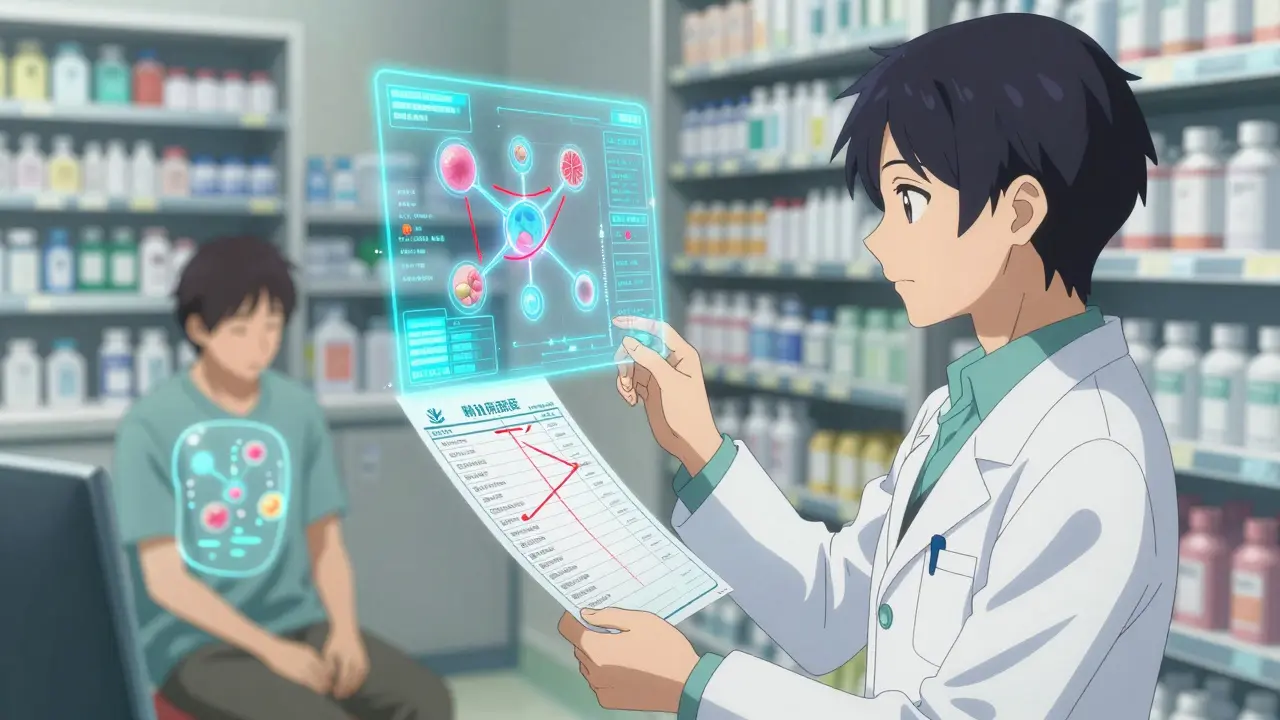
Even over-the-counter stuff matters. St. John’s Wort, a common herbal supplement, lowers immunosuppressant levels. Grapefruit juice? It can make tacrolimus too strong. Antibiotics, antacids, blood pressure pills, and cholesterol drugs all have known interactions. That’s why transplant centers require patients to list every pill, vitamin, or supplement they take. A pharmacist who specializes in transplants often reviews your full list every time something changes.
The Most Common Side Effects-and How They Impact Daily Life
Side effects aren’t rare. They’re the rule. A 2022 survey of over 1,200 transplant recipients found that 65% experience at least three ongoing side effects. The most common? High blood pressure (78%), high cholesterol (62%), and diabetes (35%). These aren’t just numbers-they lead to heart disease, stroke, and kidney damage over time.
Many patients describe chronic fatigue. One Reddit user wrote, “I’m tired all the time. Not just sleepy. Like my bones are heavy.” Sleep problems, mood swings, and sudden anger-sometimes called ‘steroid rage’-are also common. A NHS Blood and Transplant survey found 38% of patients said they had trouble recognizing themselves in the mirror because of facial swelling, weight gain, or acne.
One of the scariest side effects is cancer. Immunosuppressants increase the risk of skin cancer by 100-200%. Nonmelanoma skin cancers affect 23% of liver transplant recipients. Other cancers-like lymphoma, lung, and colon-also rise. HPV-related cancers, such as anal or throat cancer, occur 100 times more often than in the general population. That’s why annual skin checks and cancer screenings are mandatory.
Managing the Balance: What Works in Real Life
Patients who do well stick to routines. Taking pills at the same time every day. Using pill dispensers with alarms. Keeping a log of side effects and sharing them with their team. One Cleveland Clinic study showed electronic pill dispensers boosted adherence from 72% to 89%. That’s huge-because non-adherence causes 22% of late graft losses.
Monitoring is constant. Monthly blood tests check for low counts, liver issues, and drug levels. Every three months, lipid panels and glucose tests screen for cholesterol spikes and diabetes. Every year, skin exams and cancer screenings happen. Some centers even do routine biopsies of the transplanted organ to check for early signs of damage from the drugs themselves.
For some, switching drugs helps. A patient on tacrolimus with worsening kidney function might switch to sirolimus. It’s less toxic to the kidneys, but it causes mouth sores and high triglycerides. One user on Reddit shared, “After switching to sirolimus, my GFR went from 38 to 52. I’m not cured, but I’m breathing easier.”

The Future: Can We Do Better?
There’s hope. In 2023, the FDA approved voclosporin, a new calcineurin inhibitor with fewer kidney side effects. Belatacept, a newer drug that works differently, has shown lower rates of heart disease and cancer over seven years. But it comes with a catch: higher rejection rates early on.
The real breakthrough might come from tolerance. In a 2023 trial, researchers used regulatory T cells to train the immune system to accept the new organ without drugs. Fifteen percent of kidney recipients in that study stopped all immunosuppressants and stayed healthy. That’s not widespread yet-but it’s proof that a drug-free future is possible.
For now, though, we’re stuck with the trade-offs. The drugs keep the organ alive. But they also steal years from life expectancy. Kidney transplant recipients live 10 years less on average than healthy people their age. That gap hasn’t closed in decades. Until we find a way to turn off rejection without turning off the whole immune system, patients will keep walking the tightrope between life and loss.
What You Need to Know Right Now
- Never skip a dose. Even one missed pill can trigger rejection.
- Always tell your transplant team about every new medication-prescription, OTC, or herbal.
- Get skin checks every year. Use sunscreen daily. Avoid tanning beds.
- Report fever above 100.4°F (38°C) immediately. It could be your only warning of a serious infection.
- Ask about steroid minimization. If you’re low-risk, you might be able to stop prednisone early.
- Use a pill organizer with alarms. Adherence saves lives.


