Opioid Safety Risk Calculator
Opioid Safety Assessment
This tool calculates fall and delirium risk for older adults prescribed opioids based on key clinical factors. Use it to guide safer prescribing practices.
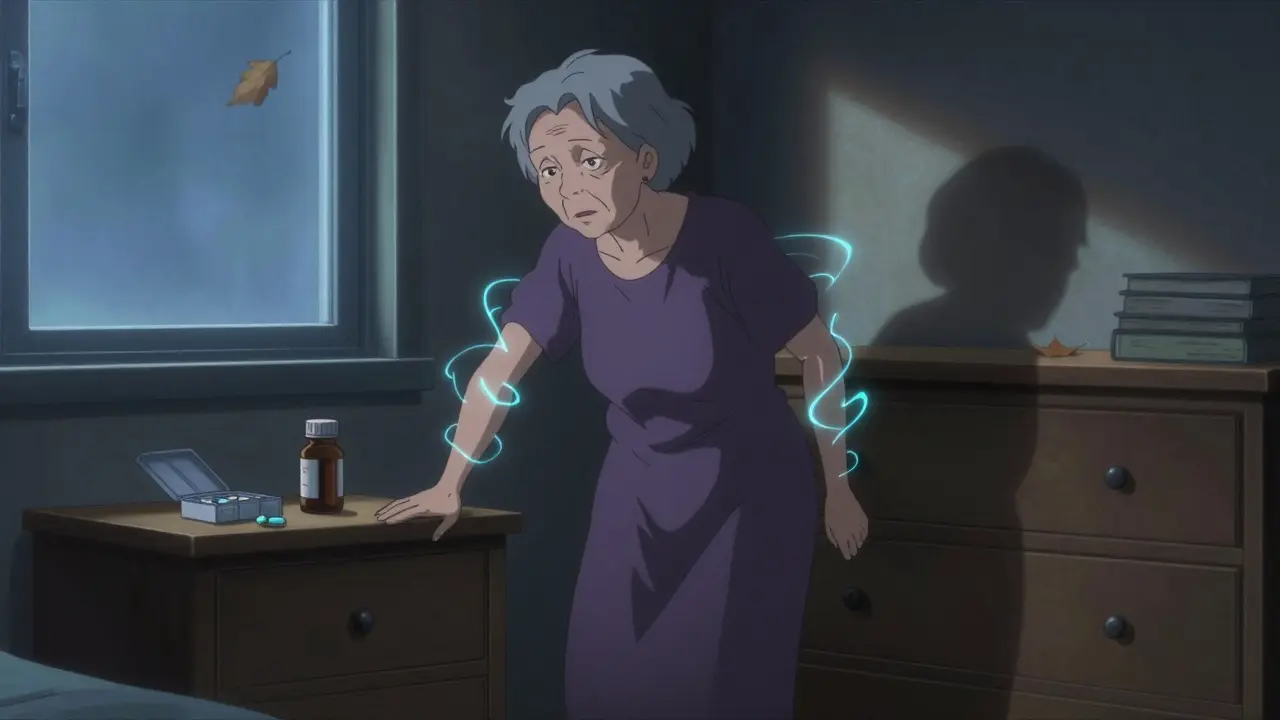
Older adults are being prescribed opioids more than ever-but the risks are higher, and the consequences can be deadly. It’s not just about pain relief anymore. It’s about survival. When a 78-year-old with arthritis starts taking oxycodone for back pain, they’re not just getting relief-they’re stepping into a minefield of sedation, confusion, falls, and even sudden death. The body changes with age, and opioids don’t adapt. That’s why a dose that’s safe for a 40-year-old can be dangerous-or fatal-for someone over 65.
Why Older Adults Are at Higher Risk
As we age, our bodies process drugs differently. The liver slows down. The kidneys don’t filter as well. Fat increases, muscle decreases. The blood-brain barrier weakens, letting more drug reach the brain. All of this means opioids stick around longer and hit harder in older adults. Even small doses can cause deep sedation, slow breathing, and dizziness. The opioids in elderly aren’t just more sensitive-they’re more vulnerable to every side effect.It’s not just the drug itself. Most older adults are taking five, six, or even ten other medications. A common blood pressure pill, an antidepressant, or an antiseizure drug can interact with opioids, boosting their effects. This is especially true with tramadol, which can cause dangerously low sodium levels (hyponatremia), leading to confusion, dizziness, and falls. These interactions aren’t rare. They’re routine.
Falls: The Silent Killer
Falls are the leading cause of injury-related death in people over 65. And opioids are a major contributor. Studies show that older adults on opioids are 30-50% more likely to fall than those not taking them. Why? Three main reasons:- Sedation-opioids make you drowsy, slow your reaction time, and blur your vision.
- Orthostatic hypotension-your blood pressure drops when you stand up, making you lightheaded or faint.
- Impaired balance and coordination-even mild opioid use affects the parts of the brain that control movement.
One study of 2,341 adults over 60 found that those on opioids had a 6% fracture rate over 33 months-compared to 4% in those not taking them. That difference may seem small, but it’s enough to send someone to the hospital with a broken hip. And a broken hip in an older adult often means long-term disability-or death.
Tramadol is especially risky. Unlike other opioids, it can cause hyponatremia, which mimics dementia symptoms: confusion, fatigue, nausea. Doctors may think it’s Alzheimer’s, when it’s actually the drug. Stop the opioid, and the symptoms often vanish.
Delirium: When Pain Meds Cause Confusion
Delirium isn’t just forgetfulness. It’s sudden, severe confusion, disorientation, hallucinations, and agitation. It can last hours or days-and it’s often triggered by opioids in older adults, especially those with dementia.A landmark 2023 study from Denmark followed 75,471 people over 65 with dementia. Those who started opioids had an elevenfold higher risk of death in the first two weeks. Not because of overdose. Not because of addiction. Because the drug pushed their brains over the edge. Their confusion worsened. They stopped eating. They became agitated. Their bodies shut down.
Doctors often prescribe opioids to dementia patients because they assume the pain is from arthritis or pressure sores. But the real issue? They’re not asking if the patient is in pain-they’re just trying to calm them down. That’s a dangerous shortcut. Opioids don’t fix dementia. They make it worse.

Dose Adjustments: Start Low, Go Slow
There’s no one-size-fits-all dose for older adults. But there is a rule that saves lives: start low, go slow.- Begin with 25-50% of the standard adult dose.
- Wait at least 5-7 days before increasing.
- Never jump to a high dose-even if pain seems severe.
For example, if a younger patient takes 10 mg of oxycodone twice daily, an older adult might start with 2.5 mg every 8 hours. That’s it. If pain improves, no need to increase. If it doesn’t, add slowly. Monitor for drowsiness, unsteadiness, or confusion every visit.
Long-acting opioids (like extended-release morphine or fentanyl patches) are especially risky. They build up in the system over days. A patch that’s fine for a healthy 50-year-old can cause respiratory arrest in an 80-year-old with kidney trouble. These should be avoided unless absolutely necessary-and even then, only with close follow-up.
Deprescribing: When to Stop
Many older adults have been on opioids for years-sometimes decades. They don’t remember why they started. They think it’s the only way to manage pain. But the truth? Most don’t need them anymore. Or they need less.Deprescribing isn’t about taking away comfort. It’s about restoring safety. The STOPPFall tool helps doctors decide when to reduce or stop opioids in patients who’ve fallen or are at risk. It asks: Is the pain better? Are they sedated? Do they have balance issues? If yes, it’s time to taper.
Don’t stop abruptly. Withdrawal can cause nausea, sweating, anxiety, and insomnia. Taper slowly-reduce by 10-25% every 1-2 weeks. Watch for rebound pain. Offer alternatives: physical therapy, heat packs, acupuncture, or non-opioid painkillers like acetaminophen (if liver is okay).
And here’s the hard part: many patients resist. They fear the pain will come back. They trust their doctor. They don’t know opioids can cause delirium. They think addiction is the only risk. That’s why communication matters more than the prescription.
Who’s at the Highest Risk?
Not all older adults are equally vulnerable. These groups need the most caution:- People with dementia-opioids increase confusion and death risk dramatically.
- Those on multiple medications-especially benzodiazepines, antidepressants, or anticonvulsants.
- People with kidney or liver disease-they clear opioids slower.
- Those with a history of falls-even one fall in the past year doubles the risk of the next.
- People with sleep apnea-opioids can stop breathing during sleep.
And don’t forget: older veterans. They’re twice as likely to die from opioid-related causes than younger veterans. Suicide, overdose, accidents-all tied to pain management gone wrong.
What Works Better Than Opioids?
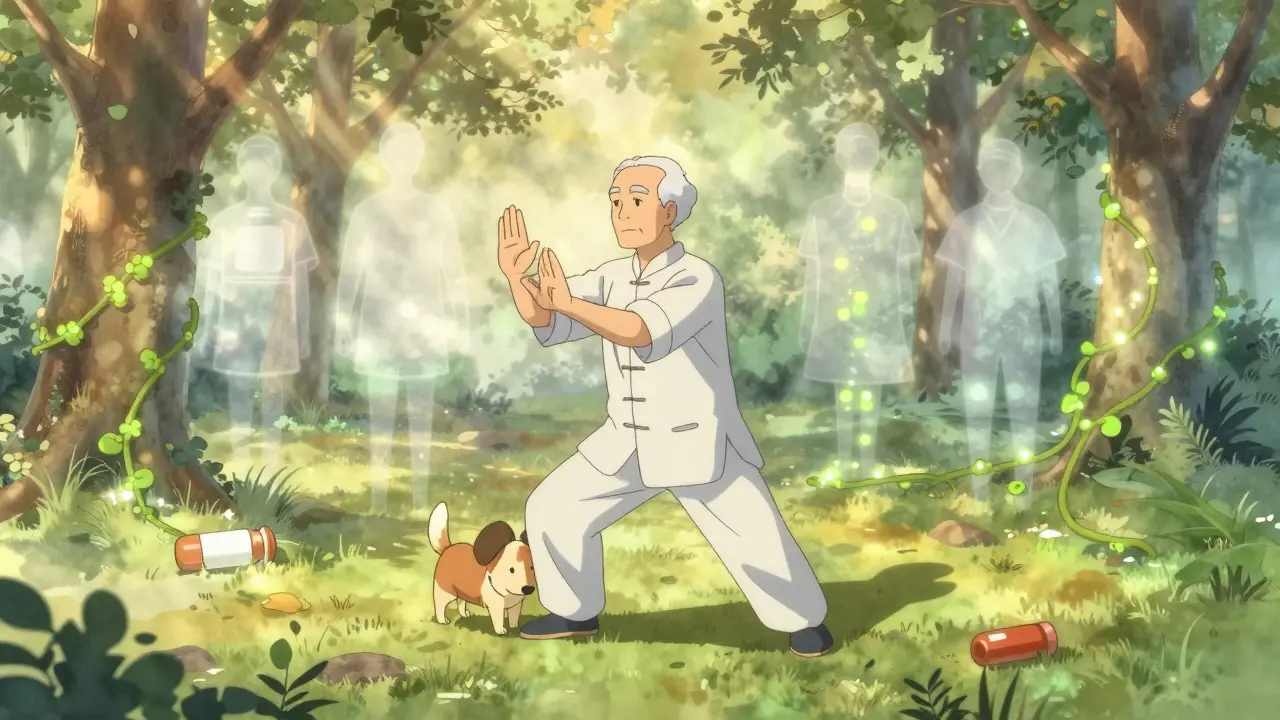
Pain doesn’t have to mean pills. In fact, non-drug options often work better-and safer-for older adults.- Physical therapy-strengthens muscles, improves balance, reduces pain.
- Exercise-walking, tai chi, water aerobics-reduces joint pain and fall risk.
- Heat and cold therapy-simple, cheap, effective for arthritis.
- Cognitive behavioral therapy (CBT)-helps change how the brain perceives pain.
- Topical pain relievers-gels or patches with lidocaine or capsaicin-no systemic side effects.
Studies show these approaches reduce opioid use by 30-50% in older adults. And they don’t cause falls or delirium.
The Bigger Picture
Between 2005 and 2014, emergency visits for opioid problems in people over 65 rose by 112%. Hospital stays jumped 85%. That’s not progress. That’s a crisis.Doctors are getting better at recognizing the risks. But many still prescribe opioids because they don’t know what else to do. Patients don’t speak up because they’re afraid of being labeled as drug seekers. The system is broken.
The solution? A team approach. Geriatricians, pharmacists, physical therapists, and family members working together. Using tools like STOPPFall and START/STOPP guidelines. Asking: Is this drug helping more than hurting? Are we treating pain-or just masking it?
It’s not about denying pain relief. It’s about giving it safely. For older adults, the goal isn’t to feel no pain. It’s to stay mobile, alert, and independent. And that means using opioids only when absolutely necessary-and never without a plan to stop.
Are opioids ever safe for older adults?
Yes-but only under strict conditions. Start with the lowest possible dose, monitor closely for sedation or confusion, and avoid long-acting forms unless absolutely necessary. Opioids should be used for short-term pain (like after surgery) or for severe, uncontrolled pain (like advanced cancer). For chronic pain like arthritis, non-opioid options are safer and often more effective.
Can tramadol cause falls in seniors?
Yes. Tramadol increases fall risk in two ways: it causes dizziness and sedation like other opioids, and it can trigger hyponatremia (low sodium), which leads to confusion, weakness, and loss of balance. Many doctors don’t realize this link, so they miss the real cause of falls in older patients taking tramadol.
Why do older adults get delirium from opioids?
Opioids slow brain activity and reduce oxygen flow. In older brains-especially those already affected by dementia or stroke-this can trigger sudden confusion, hallucinations, and disorientation. The blood-brain barrier is weaker with age, letting more drug enter the brain. Even small doses can overwhelm the system. Delirium from opioids is often mistaken for dementia progression, leading to more prescriptions instead of stopping the drug.
How do you know if an older adult is dependent on opioids?
Physical dependence isn’t the same as addiction. It means the body has adapted to the drug. Signs include needing higher doses for the same effect, withdrawal symptoms (sweating, nausea, anxiety) when the dose is skipped, or increased pain when trying to stop. Many older adults don’t realize they’re dependent-they think the pain is just getting worse. A doctor can help identify this with a careful review of medication history and symptoms.
What should family members do if they suspect opioid harm?
Don’t wait. If your loved one is sleepy all day, confused after a new prescription, or has fallen recently, talk to their doctor. Ask: "Could this medication be causing these problems?" Request a medication review. Bring a full list of all pills, supplements, and patches. Suggest alternatives like physical therapy or topical pain relief. Your concern could save their life.
Is it true that opioids increase heart attack risk in seniors?
Yes. A study of nearly 300,000 patients found that taking opioids for 180 days or more over 3.5 years increased heart attack risk by 2.66 times. Even shorter use raised the risk by 28%. Opioids can raise blood pressure, increase heart rate, and cause inflammation-all stressors on the heart. For older adults with existing heart disease, this is especially dangerous.
If you’re caring for an older adult on opioids, ask one question: Is this helping them live better-or just hiding pain while making them sicker? The answer might change everything.


