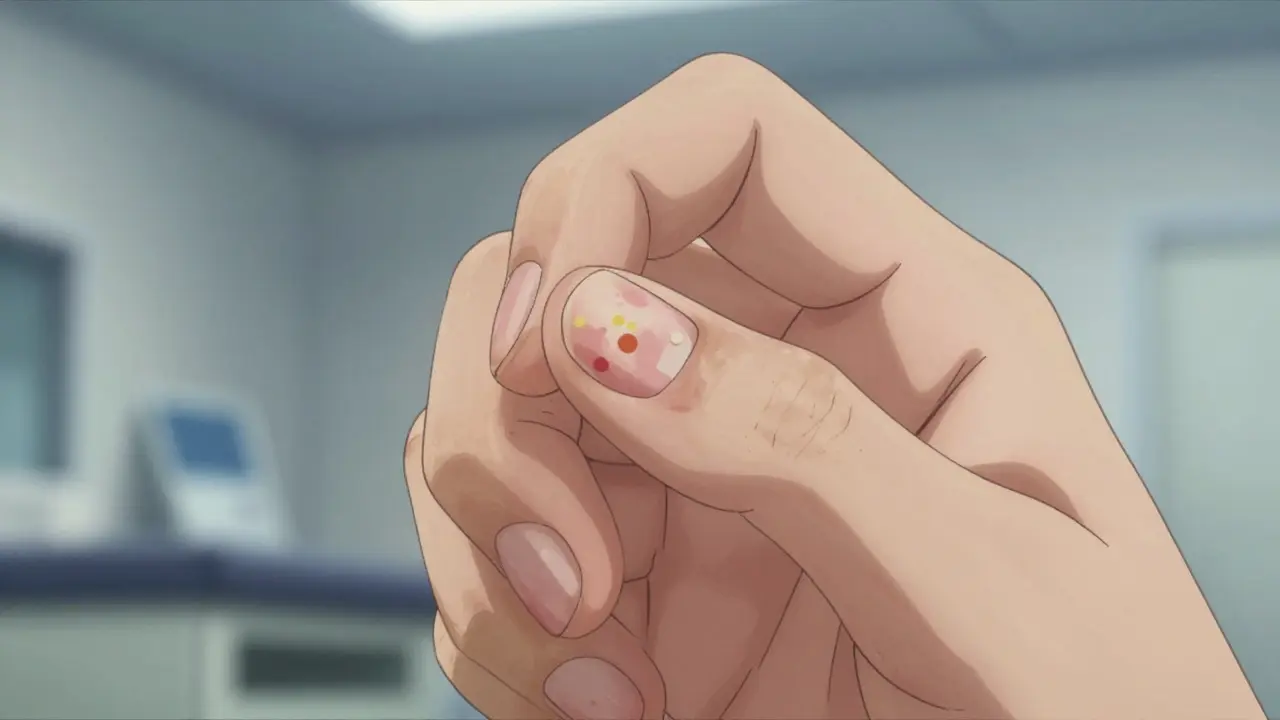
Your nails are changing. They might be yellowing, thickening, or lifting away from the bed. It’s a frustrating situation that affects millions of people worldwide, but here is the tricky part: you can’t always trust your eyes. What looks like a simple fungal infection could actually be nail psoriasis, an autoimmune condition that mimics fungus almost perfectly. Getting this wrong isn't just annoying; it means months of wasted time on treatments that won't work, while the real problem gets worse.
I’ve seen this confusion play out in clinics across Perth and beyond. Patients come in with crumbling toenails, convinced they have athlete’s foot spreading upward. But when we look closer at the matrix-the root of the nail-we see tiny pits. That’s not fungus. That’s psoriasis. Understanding the difference between these two conditions is the first step toward getting your nails back to normal.
The Core Difference: Autoimmune vs. Infectious
To treat your nails correctly, you need to know what’s driving the damage. These are two completely different biological processes.
Fungal nail infections, medically known as onychomycosis, are caused by microscopic organisms called dermatophytes. Think of them as invaders. The most common culprit is Trichophyton rubrum, which accounts for up to 90% of cases. This fungus eats keratin, the protein your nails are made of. It starts small, usually under the tip of the nail, and slowly works its way back toward the cuticle over several months.
In contrast, nail psoriasis is an internal immune system error. Your body mistakenly attacks healthy skin cells, causing them to reproduce too fast. Instead of taking 28 days to mature, new cells form every 3 to 4 days. Because they grow so quickly, they don’t harden properly. This leads to structural weakness, discoloration, and separation from the nail bed. Unlike fungus, psoriasis doesn’t spread from person to person-it’s systemic, meaning it’s linked to inflammation elsewhere in your body.
Spotting the Signs: Visual Clues You Can Check at Home
You don’t need a microscope to start narrowing down the cause. While both conditions cause discoloration and thickening, they leave different "fingerprints" on your nails. Look closely at these specific features:
- Nail Pitting: This is the hallmark of psoriasis. Look for tiny, pinpoint depressions on the surface of the nail plate. If you run a finger over your nail and feel little dips, like a golf ball surface, it’s highly likely to be psoriasis. Studies show pitting appears in about 70-78% of nail psoriasis cases but is rare in fungal infections.
- The Oil Drop Sign: Also called salmon patches, this looks like a translucent red-yellow spot under the nail. It resembles a drop of oil soaked into the nail bed. This is almost exclusive to psoriasis.
- Foul Odor: If your nails smell bad, especially when wet, think fungus. Psoriasis does not produce an odor. A distinct, unpleasant smell is present in about 40% of fungal cases.
- Subungual Hyperkeratosis: Both conditions cause debris buildup under the nail. However, in psoriasis, this chalky material often pushes the nail up significantly (onycholysis). In fungus, the nail tends to crumble and thicken laterally, starting from the sides.
- Speed of Onset: Fungal infections are slow burners. They take 6 to 12 months to become obvious. Psoriatic changes can appear suddenly and often affect multiple nails at once.
| Feature | Nail Psoriasis | Fungal Infection (Onychomycosis) |
|---|---|---|
| Primary Cause | Autoimmune reaction | Dermatophyte fungus invasion |
| Nail Pitting | Common (70-78% of cases) | Rare (<2% of cases) |
| Odor | None | Foul smell in 40% of cases |
| Discoloration | Yellow-brown "oil drop" spots | White, yellow, brown, or black darkening |
| Progression Speed | Sudden, often multiple nails | Slow (6-12 months), usually one nail first |
| Associated Skin Issues | Scaly plaques on elbows, knees, scalp | Athlete's foot (itchy, peeling skin between toes) |
Why Diagnosis Gets Messed Up
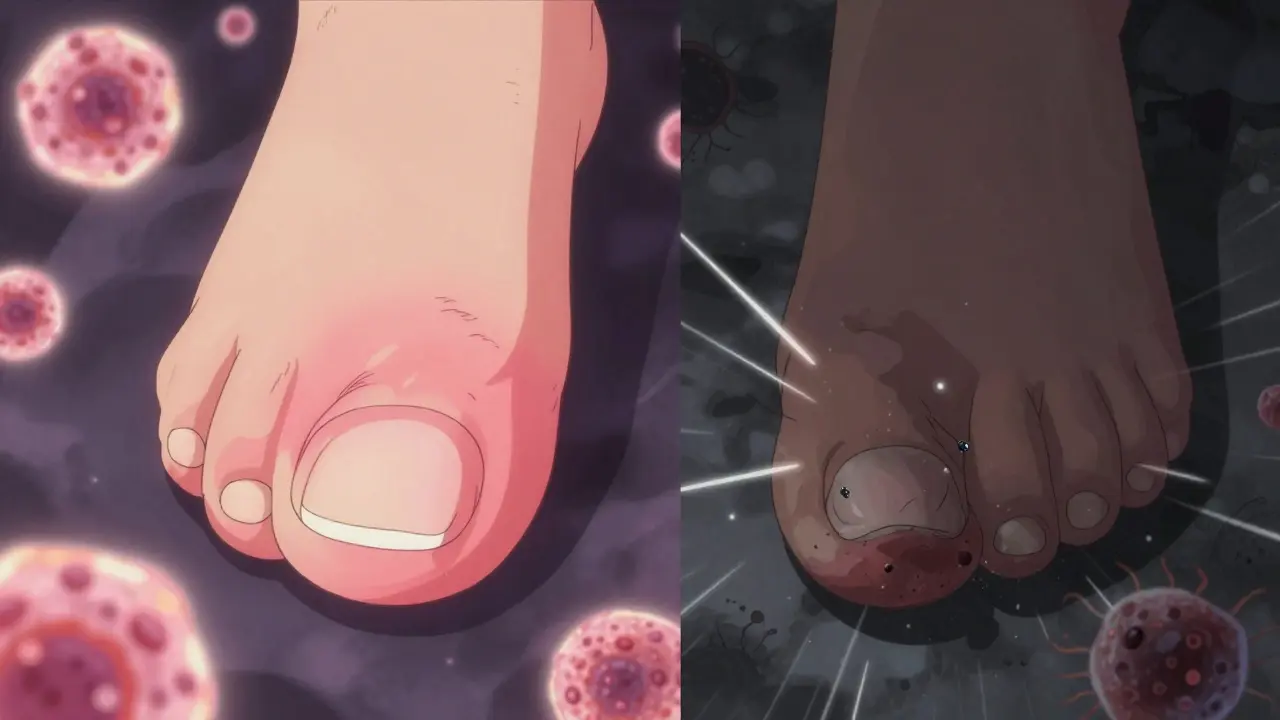
It’s not just you who gets confused. Even doctors struggle. Misdiagnosis rates hover around 30-40%. Why? Because visual symptoms overlap heavily. About 68% of nail psoriasis cases involve yellowing, which is the classic sign of fungus. If a doctor sees yellow, thick nails, their brain jumps to "fungus."
This mistake has real consequences. I’ve had patients tell me they spent eight months applying antifungal lacquers only to have their nails get worse. Antifungals do nothing for psoriasis. Worse, some steroid treatments prescribed for suspected psoriasis can actually feed a fungal infection if the diagnosis was wrong, making the nail more brittle and prone to crumbling.
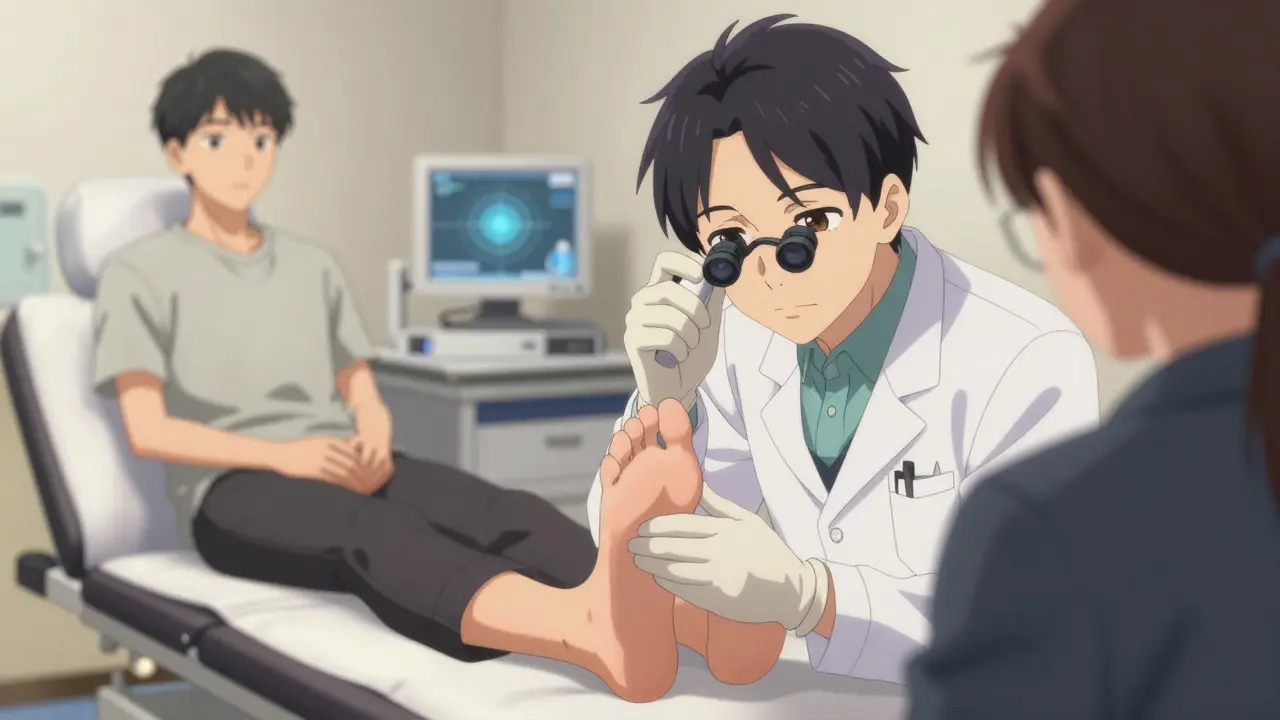
The key to avoiding this trap is proper testing. You cannot diagnose either condition with 100% certainty just by looking. The gold standard involves three steps:
- KOH Preparation: A clinician scrapes a bit of nail debris and treats it with potassium hydroxide. This dissolves human cells, leaving behind fungal hyphae if they’re present. It’s quick, cheap ($15-$25), and has high specificity.
- Fungal Culture: If the KOH test is negative but suspicion remains, the sample is grown in a lab. This takes weeks but confirms the exact type of fungus.
- Biopsy/PAS Staining: In complex cases, a small piece of nail tissue is examined under a microscope with special stains to rule out fungus definitively and confirm psoriatic changes.
Treatment Paths: What Actually Works
Once you have the right label, the treatment plan changes entirely. There is no one-size-fits-all pill for both.
Treating Fungal Infections
If it’s fungus, you need to kill the organism. Topical solutions like efinaconazole (Jublia) or ciclopirox nail lacquer can help mild cases, but they require daily application for 9 to 12 months. Why so long? Toenails grow incredibly slowly-about 0.1mm per day. You have to wait for the healthy nail to grow out completely.
For moderate to severe cases, oral medications are more effective. Terbinafine is the go-to prescription. Taken daily for 12 weeks, it clears the infection in about 78% of cases. However, it requires liver function monitoring because it can stress the liver. Newer options like Xepi (difloxacin) have recently been approved for secondary bacterial infections that complicate nail disorders, addressing a gap in care for mixed presentations.
Treating Nail Psoriasis
Since psoriasis is systemic, topical creams rarely penetrate the thick nail plate effectively. Localized treatments include corticosteroid injections directly into the nail fold. These can reduce inflammation and improve nail attachment within 8 to 12 weeks.
For widespread or severe nail involvement, systemic therapies are necessary. Biologics like secukinumab (Cosentyx) target specific immune pathways (IL-17). Clinical data shows that 65% of patients see significant improvement in nail appearance after 24 weeks. These drugs treat the whole body, so your skin and joints benefit too, not just your nails.
Living with Nail Disorders: Practical Care Tips
While medical treatment works, your daily habits support the healing process. Here’s how to protect your nails regardless of the cause:
- Keep Them Dry: Fungi love moisture. After showering, dry your feet thoroughly, especially between the toes. Use absorbent socks if your feet sweat heavily. Aim for humidity levels below 40% in your home if possible.
- Avoid Trauma: Psoriasis reacts to injury (the Koebner phenomenon). Don’t pick at hangnails, avoid tight shoes that crush your toes, and keep nails trimmed short to prevent snagging.
- Moisturize: For psoriasis, keeping the surrounding skin hydrated prevents cracking and reduces the risk of secondary infections. Use thick emollients or urea-based creams.
- Document Progress: Take photos of your nails monthly in consistent lighting. This helps your doctor see subtle changes that you might miss day-to-day.
When to See a Specialist
If your primary care provider prescribes antifungals and you see no change after three months, push for a referral to a dermatologist. Primary care physicians correctly diagnose these conditions only about 52% of the time, compared to 85% for specialists. The cost of misdiagnosis isn’t just financial-it’s emotional. Living with worsening nail deformities affects confidence and quality of life.
New technologies are also emerging. Reflectance confocal microscopy can now differentiate psoriasis from fungus with 92% accuracy in some pilot studies, potentially reducing the guesswork in the future. Until then, accurate diagnosis remains the cornerstone of effective treatment.
Can you have both nail psoriasis and a fungal infection?
Yes, it is possible. Inflammation from psoriasis can weaken the nail structure, making it easier for fungi to invade. Studies suggest that 4.6% to 30% of psoriasis patients may develop a secondary fungal infection. This is why accurate diagnostic testing (KOH prep and culture) is crucial before starting treatment.
How long does it take for nail psoriasis to show improvement with treatment?
Improvement varies by treatment type. Corticosteroid injections may show results in 8 to 12 weeks. Systemic biologics like secukinumab typically take 16 to 24 weeks to show significant cosmetic improvement. Remember, nails grow slowly, so full replacement of a damaged toenail can take 12 to 18 months.
Is nail fungus contagious?
Yes, fungal infections are contagious. They can spread from person to person through shared towels, shoes, or walking barefoot in public showers and pools. Psoriasis, however, is not contagious and cannot be passed to others through contact.
What is the "oil drop" sign in nails?
The oil drop sign, also known as a salmon patch, is a yellow-red discoloration under the nail that looks like a drop of oil. It is a classic indicator of nail psoriasis and is rarely seen in fungal infections. It occurs due to inflammation and fluid accumulation in the nail bed.
Can I cure nail psoriasis permanently?
Psoriasis is a chronic autoimmune condition, so there is no permanent cure. However, it can be managed effectively. With the right systemic treatments, many patients achieve clear or nearly clear nails for extended periods. Management focuses on controlling inflammation and preventing flare-ups.
Why do my nails smell bad?
A foul odor from nails is strongly associated with fungal infections. The bacteria and fungi breaking down the keratin produce volatile compounds that cause the smell. Psoriasis itself does not cause an odor. If your nails smell, ask your doctor to rule out onychomycosis.