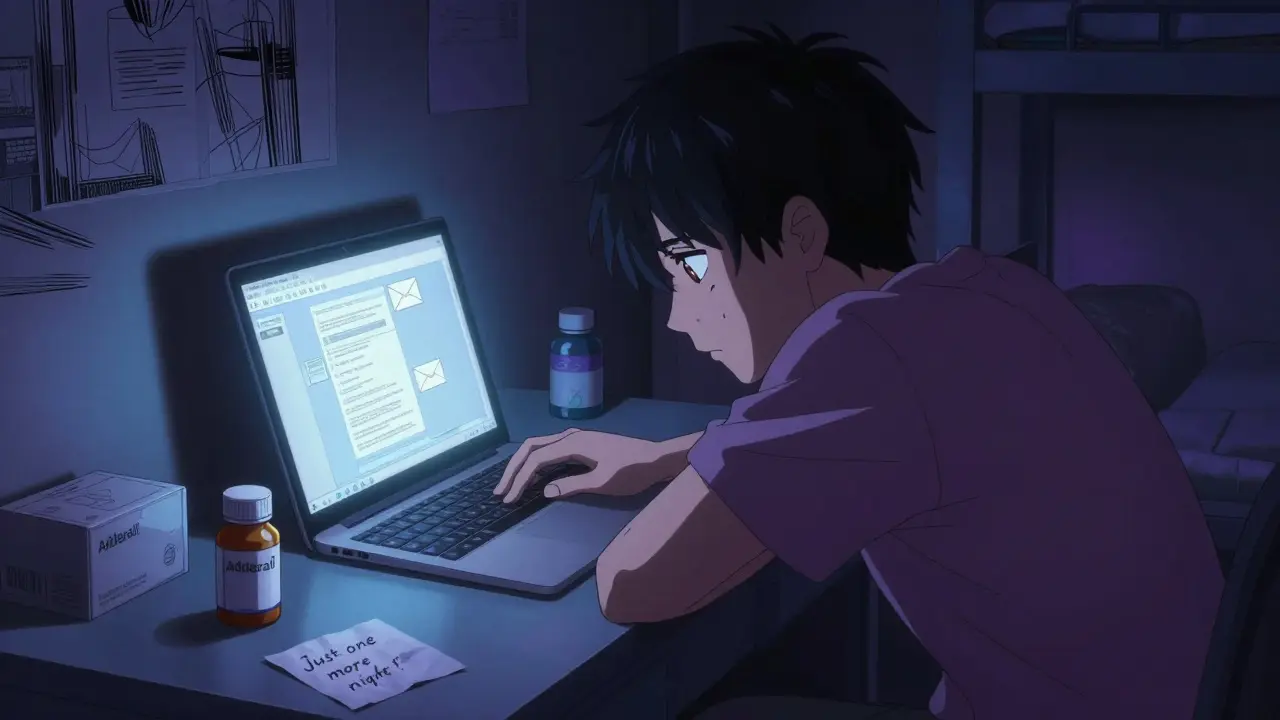
Every year, millions of college students and young adults start juggling classes, part-time jobs, social life, and sleepless nights. In the middle of all that, many are also managing prescriptions - for ADHD, anxiety, pain, or sleep issues. But here’s the thing: medication safety isn’t just about taking your pill on time. It’s about knowing who you’re sharing it with, where you’re storing it, and what happens when you take someone else’s pill because you’re stressed before finals.
Prescription drug misuse isn’t a rare problem on campus. It’s common. According to the National Survey on Drug Use and Health, about 7.2% of college students misused prescription stimulants like Adderall or Ritalin in the past year. That’s nearly 1 in 13 students. And it’s not just stimulants - painkillers and sleeping pills are also being used without a prescription, often because they’re easy to get from a friend’s medicine cabinet.
Why Do College Students Misuse Prescription Drugs?
It’s not about partying. It’s about pressure.
Students aren’t popping Adderall because they think it’s cool. They’re doing it because they’re overwhelmed. A 2021 study of 312 college students found that 62% knew someone who misused prescription drugs in the past year - and 75% of those cases involved stimulants. The main reason? Academic stress. Late-night study sessions. Missing deadlines. The fear of failing. Many believe that taking someone else’s ADHD medication will help them focus better, sleep less, and get through the semester.
But here’s what no one tells you: stimulants don’t make you smarter. They make you more alert - temporarily. And when you’re not prescribed them, your body doesn’t handle them the same way. The CDC says stimulant misuse can lead to heart problems, high blood pressure, anxiety, and even addiction. Emergency room visits linked to stimulant misuse among 18-25-year-olds tripled between 2005 and 2010.
And it’s not just about performance. Some students use sleeping pills to cope with insomnia from caffeine and all-nighters. Others take painkillers after a party injury, then keep taking them because the pain doesn’t go away. What starts as a quick fix becomes a habit - and sometimes, a dependency.
Where Are These Drugs Coming From?
Most of the time, they’re not bought online or stolen from a pharmacy. They’re handed out like candy.
A 2021 study found that 60% of college students who misused prescription drugs got them from friends, roommates, or classmates. One student on Reddit wrote: “I’ve seen Adderall passed around like candy before exams - people don’t think it’s a big deal because it’s prescription.” That’s the mindset that’s dangerous.
Why? Because a pill that works for someone with ADHD might be toxic to someone without it. Your friend’s 20mg Adderall isn’t a “study aid.” It’s a controlled substance. And sharing it? That’s illegal. More importantly, it’s risky. Without knowing someone’s medical history - allergies, heart conditions, mental health - you’re playing Russian roulette with their body.
And the access is easy. A 2020 University of California survey found that 42% of students knew where to get stimulants without a prescription on campus. Only 29% could point to a safe disposal location.
What’s the Real Cost?
It’s not just health. It’s money. Time. Grades.
The Partnership for Drug-Free Kids estimates that prescription drug misuse costs U.S. colleges $1.8 billion a year. That’s counseling services, emergency care, academic interventions, campus security, and lost productivity. Students who misuse stimulants are more likely to skip class, have panic attacks, or crash after the drug wears off - leading to worse grades, not better.
And the long-term risks? Addiction. Depression. Heart damage. One student at the University of Michigan told campus health staff: “I thought I was just staying awake. Then I couldn’t sleep for three days. My heart raced. I thought I was having a heart attack.”
There’s also the legal side. Possessing someone else’s prescription is a federal offense. Getting caught with Adderall without a prescription can mean losing financial aid, facing disciplinary action, or even criminal charges.
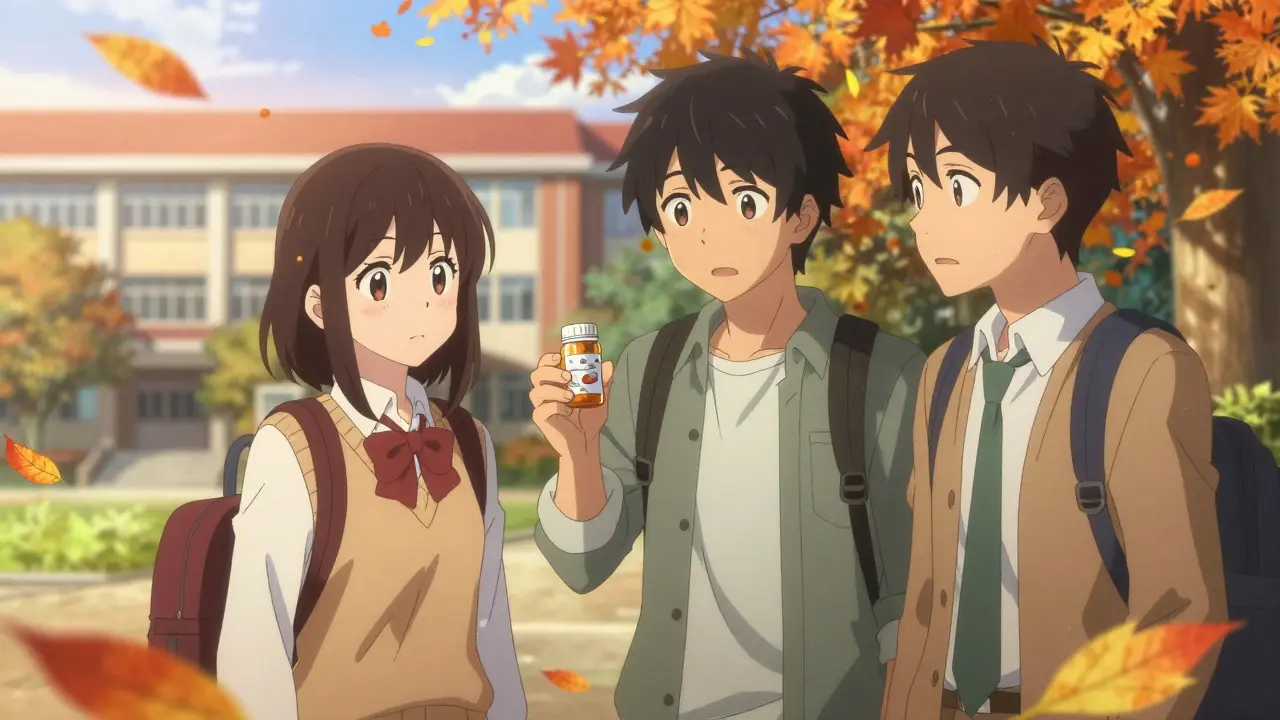
What Are Colleges Doing About It?
Some are finally getting serious.
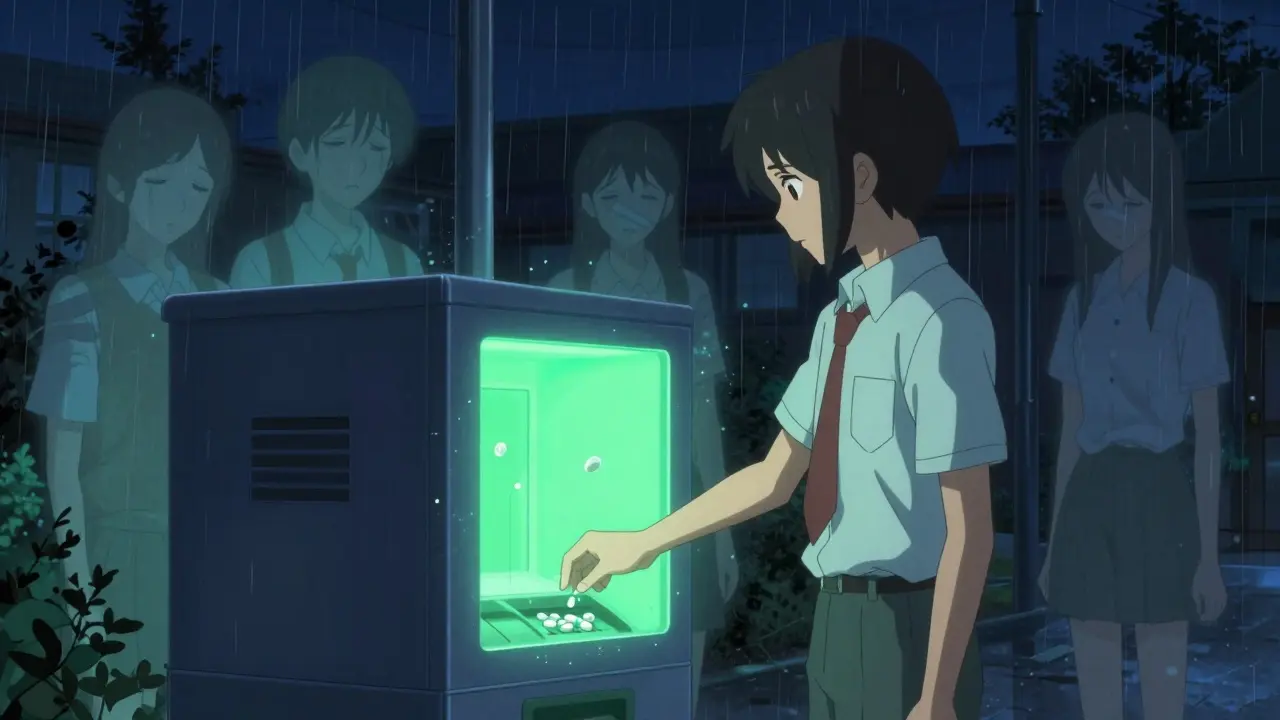
The University of Florida launched “Safe Meds” in 2019 - handing out free lock boxes for medication storage and installing disposal kiosks across campus. Within two years, stimulant misuse dropped by 18%. Why? Because students stopped keeping pills in their dorm rooms. They stopped sharing.
The University of Michigan’s “Wolverine Wellness” program combined medication safety education with free academic coaching. Result? Stimulant misuse dropped 22%, and students using academic support jumped 47%. That’s the key: you can’t just scare students. You have to support them.
More than 1,400 colleges now have dedicated medication safety coordinators - up from less than 300 in 2010. And since 2021, pharmacy schools have been required to train students to spot signs of misuse among peers. That means future pharmacists will know how to ask the right questions.
Even the government is stepping in. The Biden administration allocated $25 million in 2023 for campus drug prevention grants. The FDA approved new abuse-deterrent formulations for stimulants - pills that can’t be crushed or snorted. Early results from Purdue University show a 15% drop in misuse with these new versions.
What You Can Do - Right Now
You don’t need a campus program to protect yourself. Here’s what actually works:
- Keep your meds locked up. Not in your backpack. Not under your pillow. Use a lockbox, a small safe, or even a locked drawer. If it’s not secure, someone else will take it - even if they’re your best friend.
- Never share your prescription. Even if you think they “need it more.” Even if they’re “just borrowing.” It’s not a favor. It’s dangerous.
- Don’t take someone else’s pills. No matter how bad the exam is. No matter how tired you are. There are safer ways to cope.
- Dispose of unused meds properly. Don’t flush them. Don’t throw them in the trash. Find a disposal kiosk on campus, at a pharmacy, or during a take-back day. The CDC says proper disposal cuts accidental poisoning and misuse.
- Know the signs of misuse - in yourself and others. Mood swings, insomnia, weight loss, anxiety, or sudden changes in behavior? That’s not just stress. It might be a drug problem.
Alternatives to Prescription Misuse
You don’t need Adderall to get through finals.
Try this instead:
- Study in 90-minute blocks. Take a 20-minute break. Walk outside. Get sunlight. Your brain works better with rest.
- Use campus resources. Tutoring centers, writing labs, and academic coaching are free - and designed for students who are struggling.
- Get real sleep. The CDC says maintaining a regular sleep schedule is the best way to avoid needing sleeping pills. Even 7 hours beats 4 hours of caffeine-fueled cramming.
- Talk to someone. If you’re overwhelmed, your student health center has counselors. No judgment. No paperwork. Just support.
One student at Ohio State told her counselor: “I thought I had to be perfect. Then I realized - I just had to be human.” That’s the shift we need.
Final Thought: It’s Not About Willpower
Medication safety isn’t about being “strong” or “disciplined.” It’s about making smart choices in a high-pressure environment. You’re not weak for wanting to do better. You’re smart for asking how to do it safely.
The system isn’t perfect. But you have more power than you think. Lock your meds. Don’t share. Use the resources. Ask for help. That’s not failure. That’s responsibility.
And if you see someone struggling? Don’t stay silent. Say something. You might save their semester - or their life.


