Linezolid Safety & Tyramine Risk Calculator
Select foods to check their risk level:
Selected Items Analysis
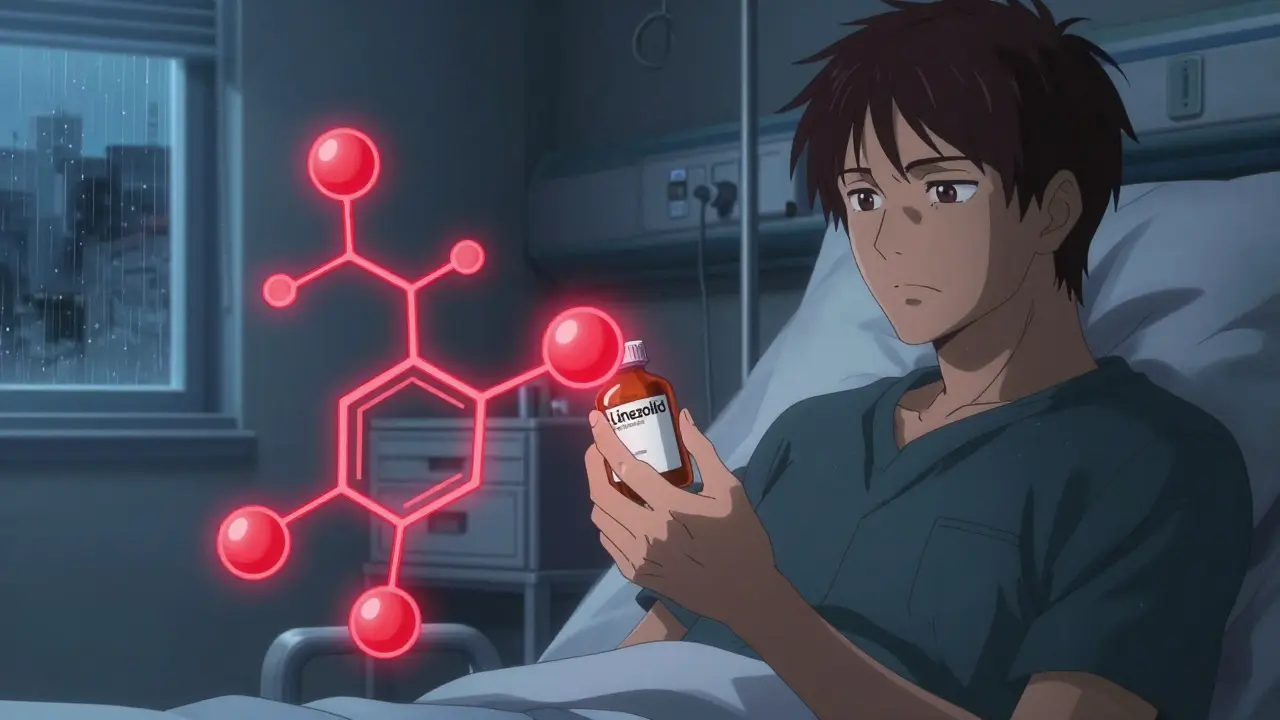
You have been prescribed Linezolid, a powerful antibiotic designed to fight tough bacterial infections. It is often the last line of defense when other drugs fail. But there is a catch that many patients miss until it is too late. This medication does not just kill bacteria; it temporarily changes how your body processes certain chemicals found in everyday foods. If you eat the wrong things while taking this drug, you could trigger a dangerous spike in blood pressure known as a hypertensive crisis. This is not a minor side effect like nausea. It can be life-threatening.
The core issue lies in a chemical called tyramine. Normally, your body breaks down tyramine easily. Linezolid blocks the enzyme responsible for this breakdown. When tyramine builds up, it forces your blood vessels to constrict violently. Understanding this interaction is critical for your safety. You need to know exactly what to avoid, for how long, and what signs to watch for.
Why Linezolid Is Different From Other Antibiotics
Most antibiotics work by attacking the cell walls or protein-making machinery of bacteria. Zyvox, the brand name for linezolid, belongs to a class called oxazolidinones. It stops bacteria from making proteins they need to survive. This makes it highly effective against resistant bugs like MRSA (Methicillin-resistant Staphylococcus aureus) and VRE (Vancomycin-resistant Enterococci).
However, linezolid has a unique side effect. It acts as a weak, non-selective monoamine oxidase (MAO) inhibitor. Monoamine oxidase is an enzyme in your gut and brain that breaks down neurotransmitters and amines, including tyramine. By inhibiting this enzyme, linezolid mimics the action of older antidepressants known as MAO inhibitors. These older drugs required strict diets because of the risk of high blood pressure. Linezolid carries the same risk, even though it is primarily an antibiotic.
This dual nature creates a clinical paradox. You are taking a life-saving drug for a serious infection, but that same drug requires you to restrict your diet significantly. The inhibition is reversible, meaning it goes away after you stop the medication, but during the treatment window, the danger is real.
What Is Tyramine and Where Does It Hide?
Tyramine is a naturally occurring compound formed when the amino acid tyrosine breaks down. This process happens through fermentation, aging, or spoilage. Freshly prepared foods generally contain very little tyramine. The problem arises with foods that have been processed, aged, or left out at room temperature.
When you take linezolid, your body cannot clear tyramine efficiently. Even moderate amounts can accumulate to toxic levels. Current guidelines suggest avoiding foods with more than 100mg of tyramine per serving. Here is where the hidden dangers lie:
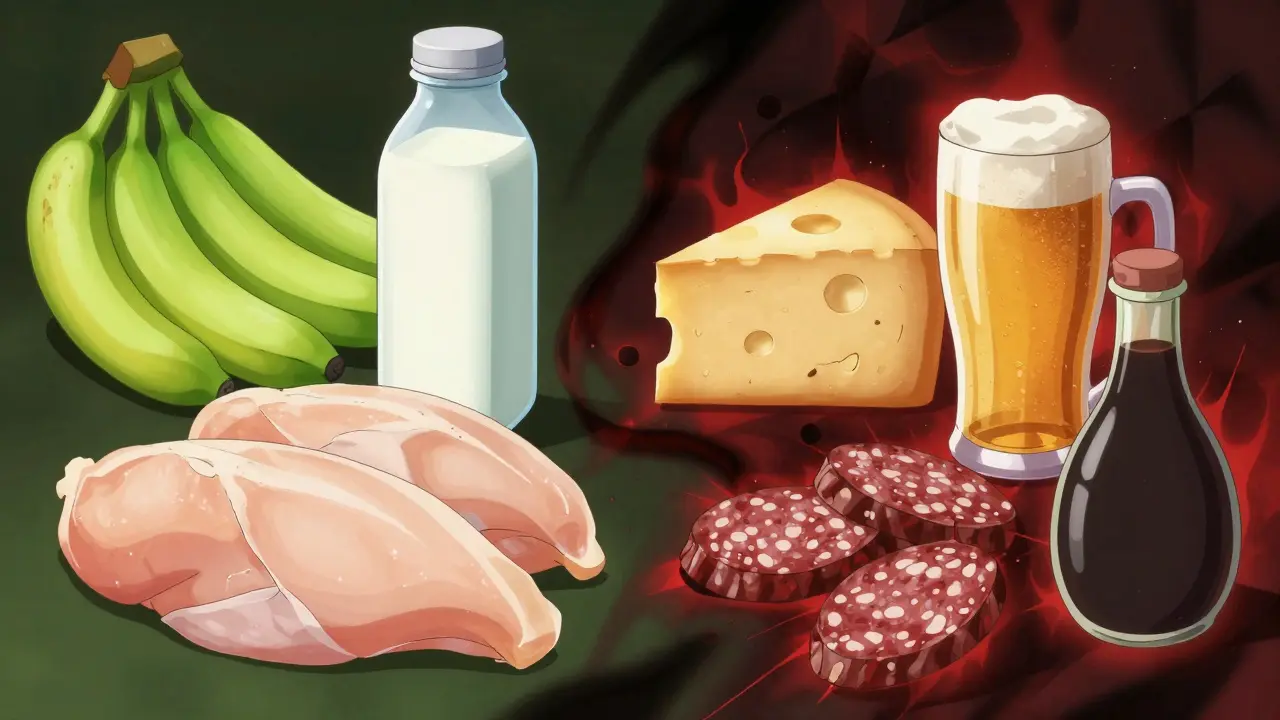
- Aged Cheeses: This is the biggest culprit. Blue cheese, cheddar, gouda, swiss, and parmesan can contain between 900mg and 1,500mg of tyramine per 100 grams. A single ounce of aged cheddar alone can exceed the safe limit.
- Fermented Soy Products: Soy sauce, miso paste, tempeh, and natto are high in tyramine due to the fermentation process.
- Cured and Air-Dried Meats: Salami, pepperoni, summer sausage, and prosciutto are risky. Freshly cooked meats like chicken breast or beef steak are generally safe if they are not cured.
- Alcoholic Beverages: Tap beer and red wine are particularly dangerous. Tap beer can contain 100-200mg of tyramine per 100ml. Red wine varies widely but can reach up to 100mg per 100ml. Distilled spirits and dry white wines are usually lower risk but should still be consumed with caution.
- Overripe Fruits: Bananas that are brown and mushy, avocados that are past their prime, and overripe figs contain higher levels of tyramine. Green bananas and firm avocados are safer choices.
- Fermented Vegetables: Sauerkraut, kimchi, and pickles made through natural fermentation rather than vinegar brining can be problematic.
It is not just about the type of food. Storage matters. Foods that are improperly stored or left out at room temperature develop higher tyramine levels as bacteria break down proteins. Leftovers that have sat in the fridge for several days may also pose a risk.
| Food Item | Approximate Tyramine Content | Safety Level on Linezolid |
|---|---|---|
| Fresh Chicken Breast | < 1mg / 100g | Safe |
| Green Banana | < 10mg / fruit | Safe |
| Milk (Fresh) | < 1mg / cup | Safe |
| Aged Cheddar Cheese (1 oz) | ~150mg | Avoid |
| Blue Cheese (1 oz) | ~600mg | Avoid |
| Tap Beer (100ml) | 100-200mg | Avoid |
| Soy Sauce (1 tbsp) | ~40mg | Use Caution |
| Sauerkraut (1 cup) | ~200mg | Avoid |
The Science Behind the Blood Pressure Spike
To understand why this reaction is so severe, we need to look at the mechanism. Tyramine causes the release of norepinephrine, a stress hormone that narrows blood vessels and increases heart rate. Normally, the enzyme monoamine oxidase-A (MAO-A) breaks down tyramine before it can cause significant issues.
Studies, including a pivotal 2006 study published in the British Journal of Clinical Pharmacology, show that linezolid inhibits MAO-A by approximately 40-50% at therapeutic doses. While this seems less potent than traditional MAO inhibitors used for depression, it is enough to create a "pressor response." In simple terms, your body loses its ability to buffer the tyramine. The tyramine enters your bloodstream, triggers a massive release of norepinephrine, and your blood pressure skyrockets.
This reaction is dose-dependent and individual. Factors like body mass index (BMI) and genetic variations in metabolism play a role. Some people might react to a small amount of soy sauce, while others might tolerate slightly more. However, relying on luck is dangerous. The variability means you cannot predict your own tolerance safely.
Recognizing a Hypertensive Crisis
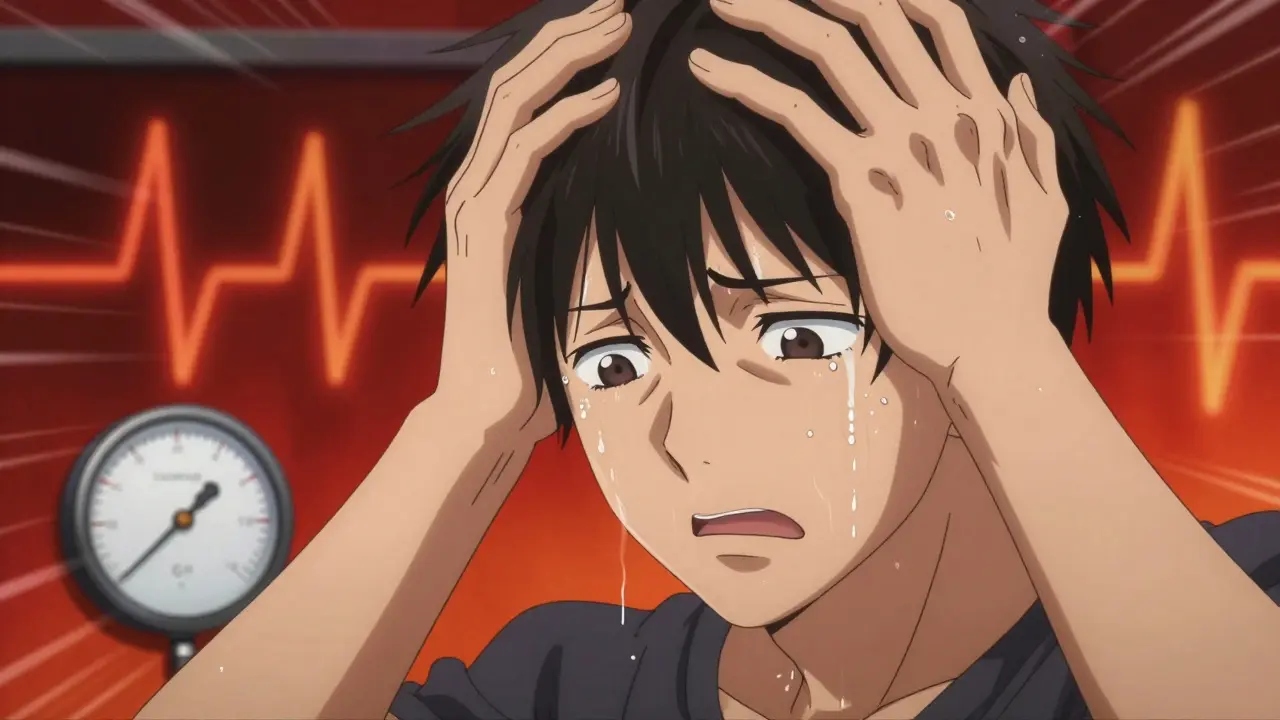
If you consume tyramine-rich foods while on linezolid, symptoms can appear within minutes to two hours. This is a medical emergency. You need to recognize the signs immediately.
The hallmark symptom is a sudden, severe headache. This is often described as the worst headache of your life. Other symptoms include:
- Rapid heartbeat (palpitations)
- Nausea or vomiting
- Stiff neck
- Sweating
- Anxiety or agitation
- Vision changes
- Chest pain
In severe cases, systolic blood pressure can exceed 180 mmHg, and diastolic pressure can rise above 120 mmHg. Case reports document patients requiring intensive care unit admission with systolic pressures reaching over 230 mmHg. Without prompt treatment, this can lead to stroke, heart attack, or kidney failure.
If you experience these symptoms, do not wait. Call emergency services or go to the nearest emergency department immediately. Inform the medical staff that you are taking linezolid and suspect a tyramine interaction. They will likely administer medications like phentolamine or nitroprusside to rapidly lower your blood pressure.
How Long Do Restrictions Last?
The dietary restrictions are not permanent, but they are not short either. You must start avoiding high-tyramine foods 24 hours before you begin your first dose of linezolid. This ensures your MAO enzymes are inhibited before any potential exposure.
The restrictions continue throughout your entire course of antibiotics. Crucially, you must continue them for at least 14 days after your last dose. Linezolid has a half-life that allows it to remain in your system, and the MAO enzyme needs time to regenerate. Most guidelines recommend a two-week washout period to ensure the enzyme activity returns to normal levels.
For example, if you take linezolid for 14 days, you should avoid high-tyramine foods for a total of 30 days (1 day before + 14 days during + 14 days after). Mark your calendar. Set reminders on your phone. This period is non-negotiable for your safety.
Medication Interactions Beyond Diet
Diet is only half the battle. Linezolid’s MAO inhibition also interacts dangerously with certain medications. Combining linezolid with serotonergic drugs can cause serotonin syndrome, another life-threatening condition. Symptoms include confusion, rapid heart rate, dilated pupils, muscle rigidity, and seizures.
Drugs to avoid or use with extreme caution include:
- SSRIs and SNRIs (antidepressants like fluoxetine, sertraline, venlafaxine)
- Tricyclic antidepressants
- Meperidine (Demerol)
- Dextromethorphan (found in some cough syrups)
- Pseudoephedrine and phenylephrine (decongestants)
- Dopamine and epinephrine (used in hospital settings)
Always provide your doctor with a complete list of all medications, supplements, and over-the-counter drugs you are taking. Do not assume that because a drug is sold without a prescription, it is safe to combine with linezolid.
Practical Tips for Managing Your Diet
Living on a restricted diet for nearly a month can be challenging, especially if you enjoy rich flavors. Here are practical strategies to stay safe without sacrificing nutrition.
Plan your meals ahead. Cook fresh meals using fresh ingredients. Avoid convenience foods that might contain aged cheeses or cured meats. Read labels carefully. Look for words like "aged," "fermented," "cured," or "smoked" and steer clear of those products.
Substitute safely. Instead of blue cheese, try fresh mozzarella or cottage cheese. Replace salami with freshly grilled turkey or chicken. Swap soy sauce for coconut aminos or a low-sodium tamari that has been pasteurized (though check labels as some still contain tyramine). Use fresh herbs and spices to add flavor instead of fermented condiments.
Be cautious with leftovers. Only eat leftovers that have been refrigerated properly and consumed within 24 hours. Discard any food that has been sitting out at room temperature for more than two hours.
Communicate with restaurants. If you dine out, inform the server about your dietary restrictions. Ask specifically about preparation methods. Avoid dishes that involve aged cheeses, cured meats, or fermented sauces. Stick to simply prepared proteins and vegetables.
Monitor your blood pressure. If you have pre-existing hypertension, monitor your blood pressure twice daily while on linezolid. Report any unusual spikes to your doctor immediately.
Looking Ahead: Newer Alternatives
The medical community recognizes the burden of these dietary restrictions. Researchers are developing newer antibiotics that target resistant bacteria without inhibiting MAO. One such drug is contezolid (MRX-I), which is currently in Phase III trials. It offers similar antibacterial activity against Gram-positive bacteria but lacks the MAO inhibitory property. This means patients could potentially take contezolid without worrying about tyramine interactions.
Until these new drugs become widely available, linezolid remains a critical tool in the fight against multidrug-resistant infections. Its benefits outweigh the risks when used correctly. The key is awareness. By understanding the interaction between linezolid and tyramine, you can protect yourself from preventable complications.
Your health depends on vigilance. Do not underestimate the power of this interaction. Follow the dietary guidelines strictly, communicate openly with your healthcare team, and prioritize your safety during your treatment course.
Can I drink alcohol while taking linezolid?
You should avoid tap beer and red wine completely, as they contain high levels of tyramine. Dry white wine and distilled spirits are lower in tyramine but should still be consumed with extreme caution and in moderation. It is best to consult your doctor for personalized advice, but erring on the side of abstinence is the safest approach.
How long after stopping linezolid can I eat aged cheese again?
You should wait at least 14 days after your last dose of linezolid before consuming high-tyramine foods like aged cheese. This allows your body’s monoamine oxidase enzymes to fully regenerate and resume breaking down tyramine effectively.
What are the symptoms of a hypertensive crisis caused by linezolid?
Symptoms include a sudden, severe headache, rapid heartbeat, nausea, sweating, stiff neck, anxiety, vision changes, and chest pain. If you experience these symptoms, seek emergency medical attention immediately.
Is fresh meat safe to eat on linezolid?
Yes, freshly cooked meats like chicken, beef, and pork are generally safe. The risk comes from cured, smoked, or air-dried meats like salami, pepperoni, and bacon. Always choose fresh options and avoid processed deli meats.
Does linezolid interact with antidepressants?
Yes, linezolid can interact dangerously with SSRIs, SNRIs, and other serotonergic drugs, potentially causing serotonin syndrome. This is a life-threatening condition characterized by confusion, rapid heart rate, and muscle rigidity. Inform your doctor about all medications you are taking before starting linezolid.