Linezolid Tyramine Risk & Symptom Checker
Restriction Timeline Calculator
Enter your first dose date to see when you can safely return to a normal diet.
- Start Restrictions
- End of Treatment (Est.)
- Safe to Eat Aged Foods
*Note: The "End of Treatment" is an estimate. Always follow your doctor's specific prescription duration. Restrictions must continue for 14 days after the LAST dose.
Hypertensive Crisis Check
Did you consume high-tyramine foods? Check any symptoms you are experiencing below.
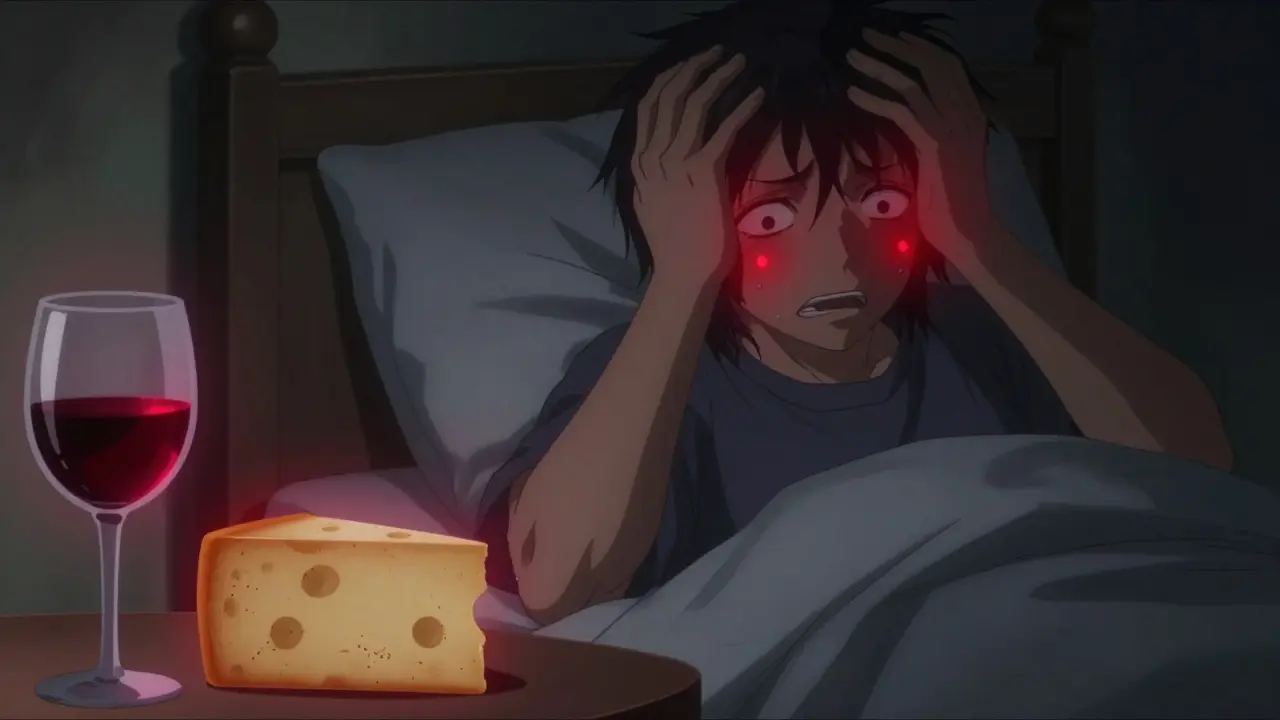
Imagine this: you are taking a powerful antibiotic called Linezolid, which is an oxazolidinone-class antibiotic used for serious bacterial infections to fight off a stubborn infection. You feel better. So, you decide to enjoy a nice piece of aged cheddar cheese or a glass of red wine. Suddenly, your head pounds, your vision blurs, and your blood pressure skyrockets. This isn’t just a bad headache; it could be a life-threatening hypertensive crisis.
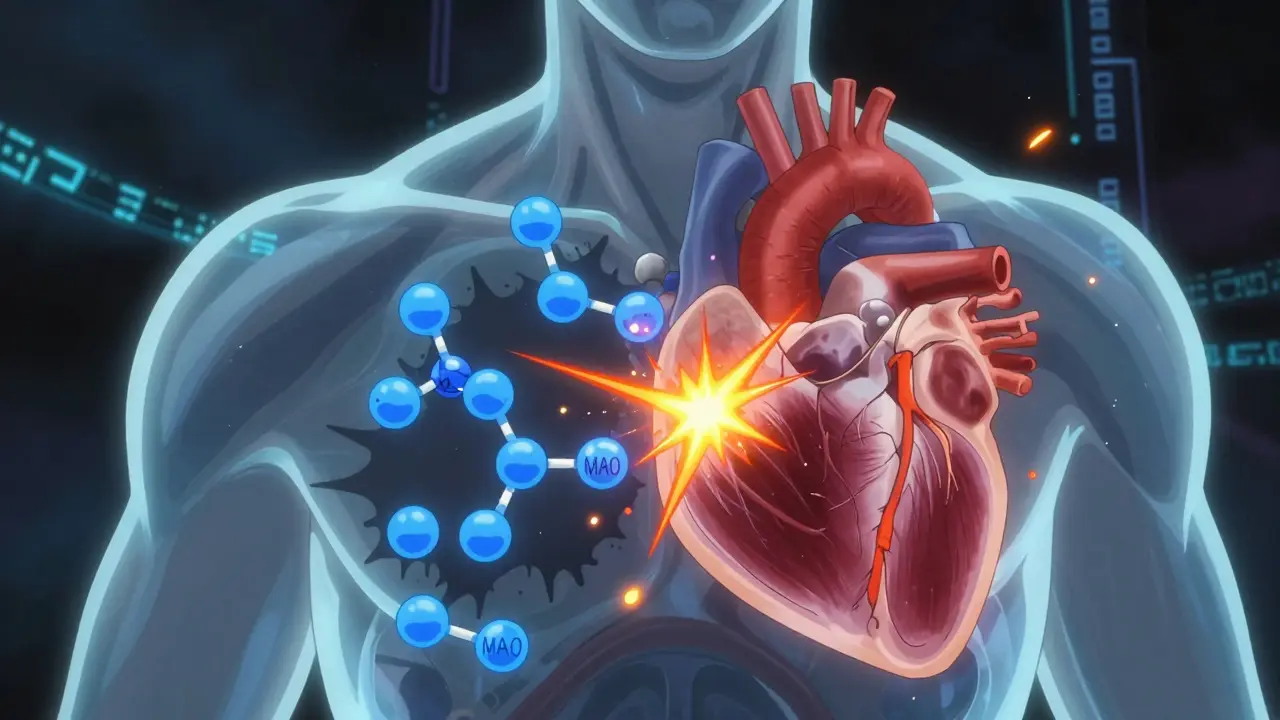
This reaction happens because Linezolid does something unusual for an antibiotic. It acts as a weak monoamine oxidase (MAO) inhibitor. When you combine this drug with foods high in tyramine, which is a naturally occurring compound found in aged and fermented foods, you risk triggering a dangerous spike in blood pressure. Understanding this interaction is not just about following rules; it is about staying safe while your body fights infection.
The Science Behind the Interaction
To understand why this happens, we need to look at how your body handles chemicals. Normally, an enzyme called monoamine oxidase breaks down tyramine in your gut before it can affect your system. Think of MAO as a cleanup crew. Linezolid, however, slows down this cleanup crew. It inhibits both MAO-A and MAO-B enzymes by about 40-50% at standard therapeutic doses.
When the MAO enzymes are blocked, tyramine from food enters your bloodstream instead of being broken down. This excess tyramine forces your body to release large amounts of norepinephrine, a hormone that constricts blood vessels and raises heart rate. The result? A rapid and severe increase in blood pressure. While Linezolid is not as potent as older drugs like phenelzine, studies show it produces about 80% of the pressor response seen with dedicated MAO inhibitors. That is significant enough to send patients to the emergency room.
Foods to Avoid: The High-Tyramine List
You do not need to become a nutritionist, but you do need to know what to keep out of your kitchen while on Linezolid. The general rule is to avoid foods containing more than 100mg of tyramine. Here are the biggest culprits:
- Aged Cheeses: This is the most common trigger. Blue cheeses, cheddar, Swiss, Parmesan, and Gouda are all high-risk. One ounce of aged cheddar can contain around 150mg of tyramine. Stick to fresh cheeses like mozzarella, cottage cheese, or cream cheese.
- Alcohol: Tap beer and red wine are major sources. Red wine can contain 5-100mg per 100ml, and tap beer can have even more. Hard liquor is generally safer if consumed in moderation, but avoiding alcohol entirely during treatment is the safest bet.
- Fermented Soy Products: Foods like soy sauce, miso, and tempeh should be avoided. These fermentation processes create high levels of tyramine.
- Air-Dried Meats: Salami, pepperoni, and other cured meats are risky. Freshly cooked chicken, beef, or pork is fine.
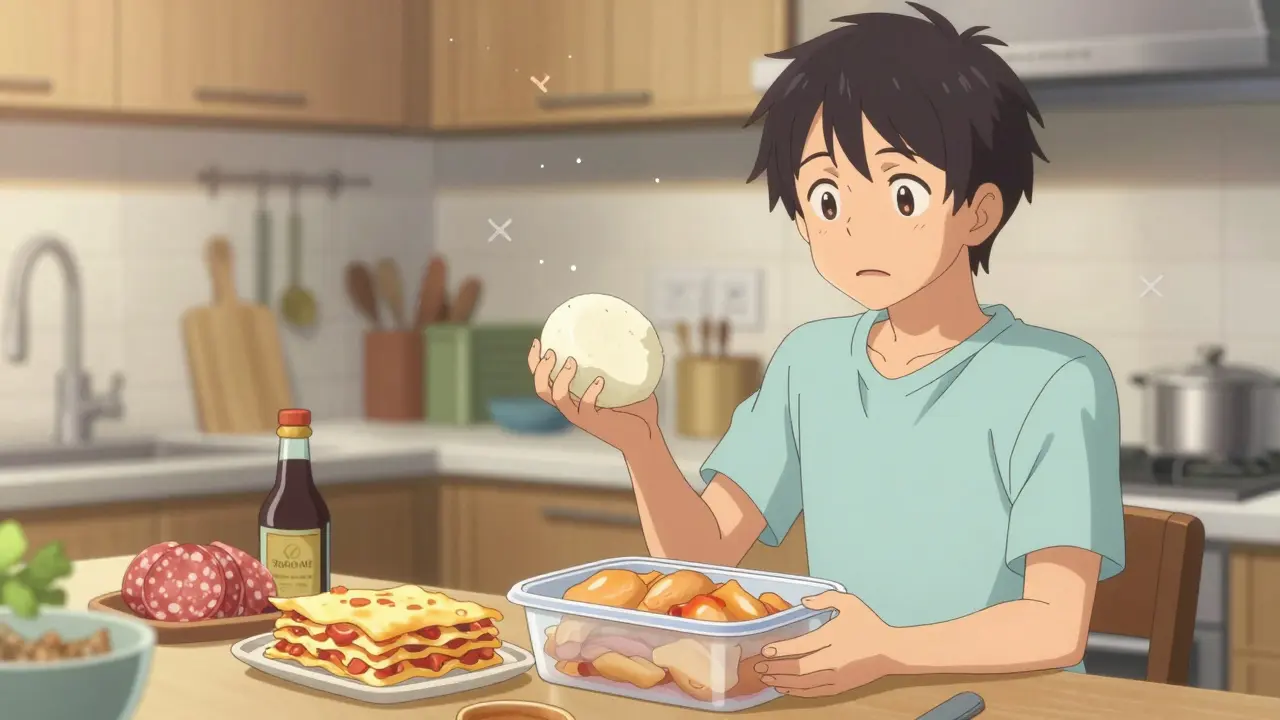
- Improperly Stored Foods: Even normally safe foods can develop tyramine if they sit out too long. Leftovers stored in the fridge for more than a day or two may start accumulating tyramine due to bacterial growth.
Timing Matters: When to Start and Stop Restrictions
One mistake many people make is thinking they only need to worry about diet on the days they take the pill. That is incorrect. Because Linezolid stays in your system and its effects on the MAO enzymes linger, you must follow these timing guidelines:
- Start 24 Hours Before: Begin restricting high-tyramine foods one day before your first dose of Linezolid.
- Maintain During Treatment: Keep the diet strict for every single day you are taking the medication.
- Continue for 14 Days After: Do not relax your diet immediately after your last pill. It takes about two weeks for your body’s MAO enzymes to fully recover their function. Most protocols recommend continuing restrictions for 14 days post-treatment.
Why two weeks? Linezolid has a half-life that allows it to accumulate slightly, and the inhibition of MAO is reversible but slow to resolve. Waiting ensures that no residual drug effect triggers a reaction when you finally want to eat that leftover lasagna.
Other Dangerous Drug Interactions
Diet is only half the battle. Linezolid also interacts dangerously with certain medications. If you are taking any of the following, your doctor needs to know immediately:
- Serotonergic Drugs: Antidepressants like SSRIs (e.g., fluoxetine, sertraline) and SNRIs can cause serotonin syndrome when combined with Linezolid. Symptoms include agitation, confusion, rapid heart rate, and muscle rigidity.
- Sympathomimetics: Cold medicines containing pseudoephedrine or decongestants can amplify the blood pressure spike caused by tyramine.
- Dopaminergic Agents: Medications used for Parkinson’s disease or nausea can interact unpredictably.
Always provide your pharmacist with a complete list of prescriptions, over-the-counter drugs, and supplements. They are your best defense against these hidden risks.
| Food Category | Avoid (High Tyramine) | Safe Alternatives |
|---|---|---|
| Cheese | Aged Cheddar, Blue Cheese, Swiss, Parmesan | Mozzarella, Cottage Cheese, Cream Cheese, Ricotta |
| Meat | Salami, Pepperoni, Biltong, Air-dried Beef | Fresh Chicken, Fresh Beef, Fresh Pork, Turkey |
| Alcohol | Red Wine, Tap Beer, Sherry | Hard Liquor (in moderation), White Wine (low risk) |
| Plant-Based | Soy Sauce, Miso, Tempeh, Fava Beans | Fresh Vegetables, Rice, Pasta, Bread |
| Leftovers | Refrigerated > 2 days | Freshly prepared meals |
Recognizing the Signs of a Crisis
If you slip up and eat something forbidden, do not panic-but act fast. Know the symptoms of a hypertensive crisis:
- Sudden, severe headache
- Stiff neck
- Nausea or vomiting
- Sweating
- Heart palpitations or irregular heartbeat
- Blurred vision
If you experience these symptoms, check your blood pressure if you have a monitor. If it is above 180/120 mmHg, seek emergency medical care immediately. In documented cases, patients have required ICU admission for blood pressures exceeding 230/130 mmHg. Early intervention can prevent stroke or heart damage.
Practical Tips for Staying Compliant
Adhering to these restrictions can feel isolating, especially if you are eating with family. Here are some practical ways to manage:
- Label Your Food: Put sticky notes on questionable items in your fridge. "Do Not Eat - High Tyramine" works wonders.
- Communicate: Tell your family and friends about the restriction. Ask them not to bring aged cheese or cured meats into the house during your treatment window.
- Use Visual Aids: Print out the safe vs. unsafe food table and tape it to your refrigerator door.
- Monitor Blood Pressure: If you have a history of hypertension, check your BP twice daily. Report any spikes to your doctor immediately.
Remember, this is temporary. Once your course of Linezolid is finished and the two-week waiting period passes, you can return to your normal diet. The goal is to get through the infection safely without adding a cardiovascular emergency to your recovery list.
How long does it take for Linezolid to leave my system?
While the drug itself clears relatively quickly, its effect on MAO enzymes lasts longer. You should maintain dietary restrictions for 14 days after your last dose to ensure full enzyme recovery.
Can I drink wine while taking Linezolid?
It is strongly advised to avoid red wine and tap beer, as they contain significant amounts of tyramine. Hard liquor is lower risk but should be consumed with caution and in moderation.
What should I do if I accidentally eat high-tyramine food?
Monitor yourself closely for symptoms like severe headache, stiff neck, or rapid heartbeat. Check your blood pressure if possible. If it rises significantly or you feel unwell, seek emergency medical attention immediately.
Are all cheeses dangerous with Linezolid?
No. Fresh cheeses like mozzarella, ricotta, cottage cheese, and cream cheese are generally safe. The danger lies in aged, fermented, or blue-veined cheeses.
Does Linezolid interact with antidepressants?
Yes. Linezolid can cause serotonin syndrome when combined with SSRIs, SNRIs, and other serotonergic drugs. Always inform your doctor if you are taking psychiatric medications.