Kombucha & Medication Safety Checker
Risk Assessment
Disclaimer: This tool is for educational purposes only and does not provide medical advice. Always consult a licensed healthcare professional or pharmacist before combining medications with fermented products.
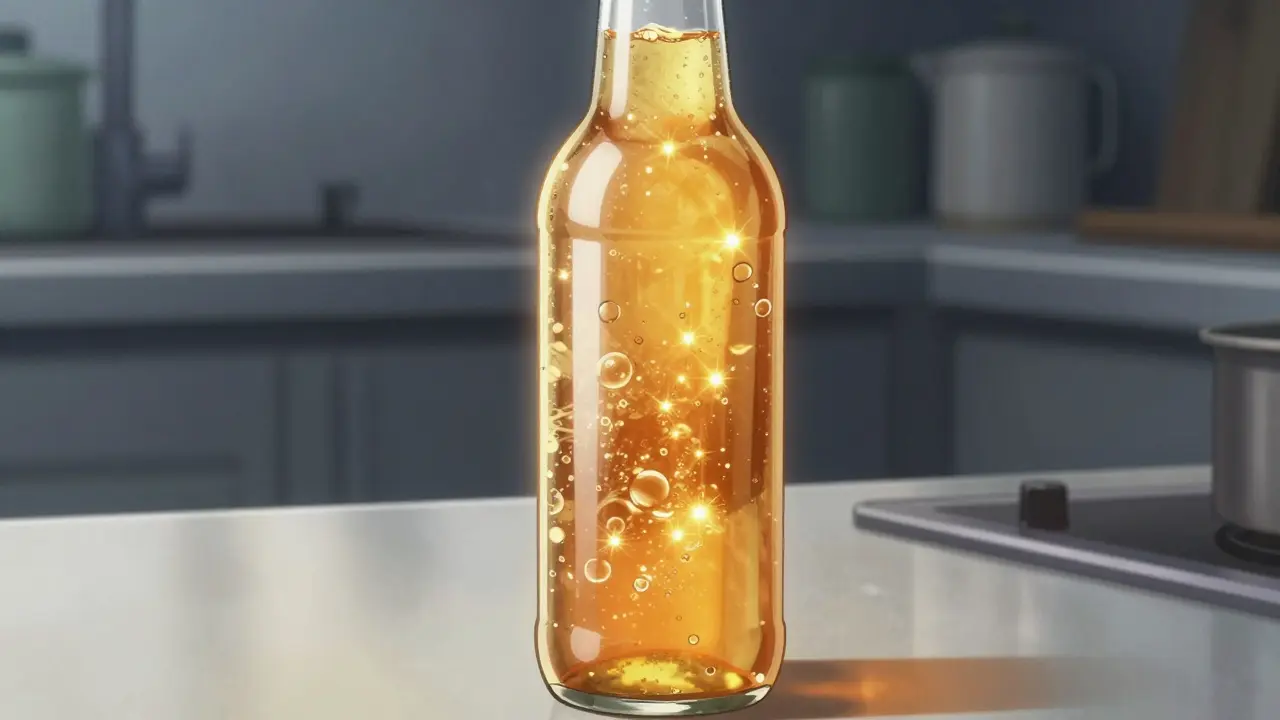
You might think of it as a healthy, fizzy probiotic tonic, but there is a hidden variable in every bottle of kombucha: alcohol. While most people don't associate a fermented tea with a cocktail, the natural chemistry of fermentation creates ethanol. For the average person, a trace amount is harmless. However, if you are taking alcohol-sensitive medications, that tiny percentage can trigger a severe physical reaction or neutralize your treatment.
The core of the problem is that kombucha isn't a standardized product. Depending on whether you bought it at a supermarket or brewed it in your kitchen, the alcohol content can vary wildly. Understanding these fermentation considerations is the only way to ensure your health kick doesn't turn into a medical emergency.
Quick Summary: What You Need to Know
- Commercial kombucha is usually kept under 0.5% alcohol by volume (ABV), but homemade batches can reach 2.5% or higher.
- Certain drugs, especially metronidazole and some antidepressants, can cause violent reactions even with trace alcohol.
- "Hard" kombuchas are alcoholic beverages (3-8% ABV) and should be avoided entirely if you are on sensitive meds.
- Check your labels for "Contains Trace Alcohol" and consult a pharmacist about your specific medication class.
The Science of the Bubble: How Alcohol Enters the Bottle
To understand the risk, we have to look at how Kombucha is a fermented tea beverage produced through the symbiotic fermentation of sweetened tea by a symbiotic culture of bacteria and yeast (SCOBY). In simple terms, the yeast eats the sugar in the tea and converts it into carbon dioxide and ethanol.
The bacteria then consume that alcohol, turning it into organic acids. If the balance is perfect, the alcohol stays very low. But if the yeast is too active-perhaps because the room is too warm or the tea is too sugary-the alcohol levels climb. This is why SCOBY (Symbiotic Culture of Bacteria and Yeast) is so temperamental; a few degrees of temperature difference can change the chemical makeup of your drink.
Commercial vs. Homemade: A Dangerous Gap
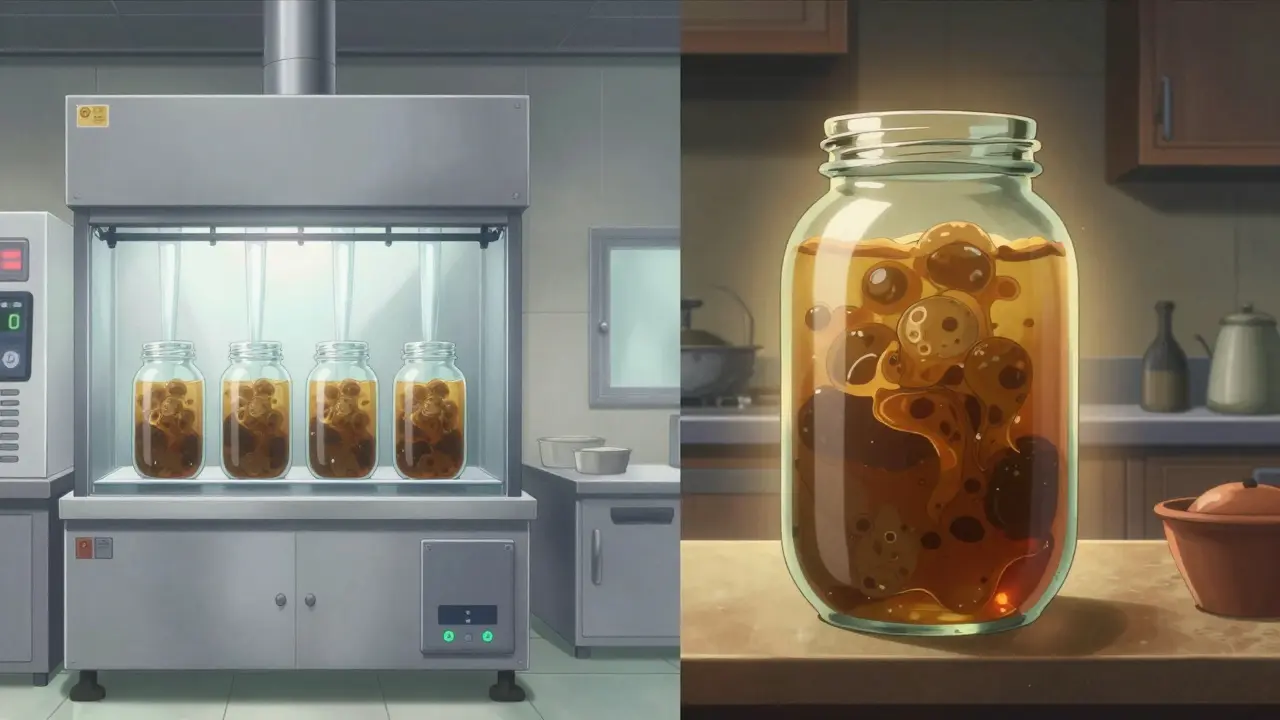
If you buy a bottle from a big brand, you're generally dealing with a controlled environment. In the US, the Alcohol and Tobacco Tax and Trade Bureau (TTB) mandates that non-alcoholic kombucha must stay below 0.5% ABV. Companies like GT's Kombucha use membrane filtration or flash pasteurization to keep these levels consistent.
Homebrewing is a different story. Without laboratory equipment, you're guessing. A 2023 analysis by Revolution Fermentation found that home-brewed batches often range from 0.5% to 2.5% ABV. For someone on a medication that triggers a disulfiram-like reaction, a 2% ABV drink is not "trace"-it's a trigger. There are documented cases of patients experiencing violent vomiting and nausea after drinking home-brewed kombucha while taking antibiotics.
| Type | Typical ABV Range | Consistency | Risk Level for Sensitive Meds |
|---|---|---|---|
| Commercial (Non-Alcoholic) | < 0.5% | High (Regulated) | Low to Moderate |
| Homemade / Home-brewed | 0.5% - 2.5% | Low (Variable) | High |
| Hard Kombucha | 3.0% - 8.0% | High (Targeted) | Very High |
Medications That Clash with Fermentation
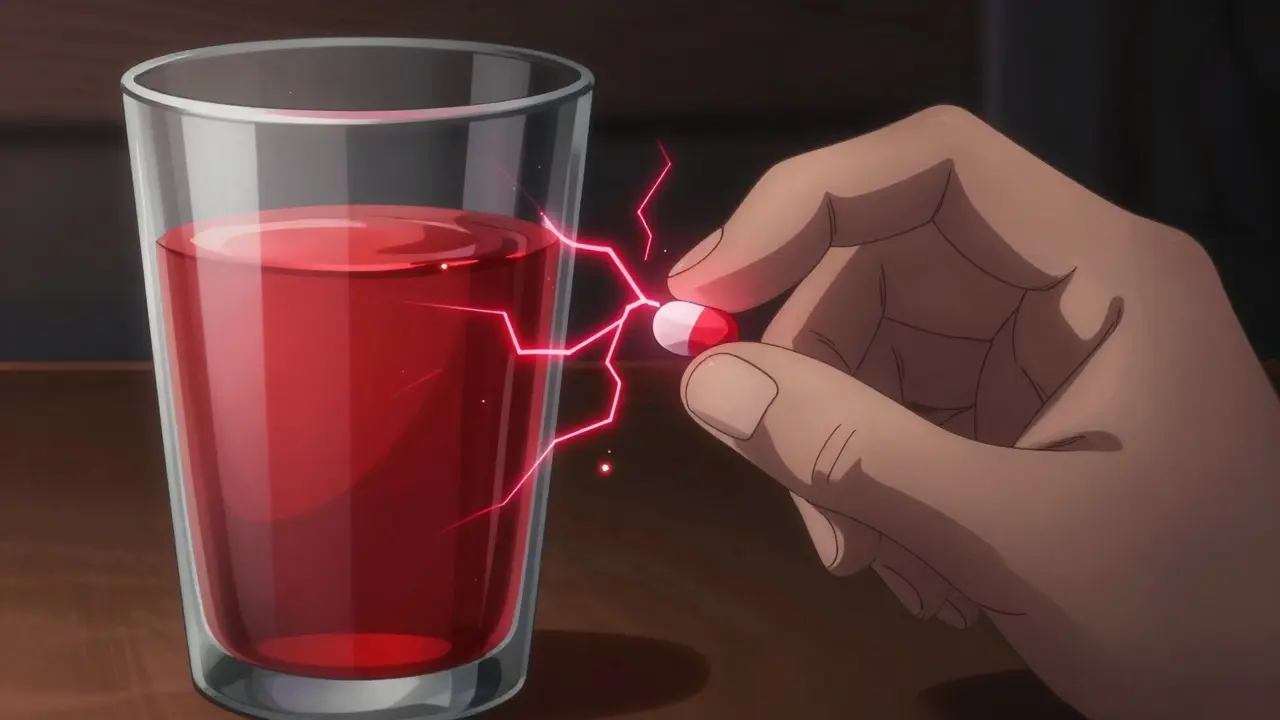
Not every drug reacts to alcohol, but several major classes do. The American Pharmacists Association has highlighted kombucha as a "hidden alcohol source" that can interfere with at least 17 different medication classes. Here are the primary culprits:
- Antibiotics: Drugs like Metronidazole (used for UTIs and dental infections) can cause a severe reaction where the body cannot process alcohol, leading to extreme nausea, flushing, and tachycardia.
- CNS Depressants: Benzodiazepines and some sleep aids can have their sedative effects dangerously amplified by even trace amounts of ethanol.
- Diabetes Medications: Some drugs used to manage blood sugar can increase the risk of hypoglycemia (dangerously low blood sugar) when combined with alcohol.
- Antidepressants: Certain SSRIs can interact with alcohol to increase drowsiness or dizziness, which can be problematic for those operating machinery or driving.
You might wonder if 0.5% is really enough to matter. While some biologists argue it's similar to eating an overripe piece of fruit, pharmacological reality is different. When you drink a large glass of kombucha daily, the cumulative effect adds up. If you're hypersensitive, that small dose can be the tipping point for a side effect.
How to Stay Safe: Practical Protocols
If you aren't sure whether your medication is alcohol-sensitive, don't guess. The safest path is to check the patient information leaflet that comes with your prescription-look for warnings about "alcohol consumption."
For those who want to keep kombucha in their diet, follow these rules of thumb:
- Stick to Regulated Brands: Choose commercial brands that clearly state their ABV or are TTB certified. Look for the new "Contains Trace Alcohol" labels mandated by the FDA.
- Avoid Home-brews: If you are on high-risk meds like metronidazole, avoid homemade kombucha entirely unless you have a professional alcoholmeter (like the HM Digital HA-520) to test every single batch.
- The 48-Hour Rule: Some clinicians recommend a 48-hour gap between your last dose of a sensitive medication and consuming fermented beverages to ensure the drug has cleared your system.
- Use Transparency Tools: Some brands now offer QR codes on their bottles that lead to batch-specific lab results. Use these to verify the alcohol content before drinking.
The Bigger Picture: Fermented Foods and Your Health
It's worth noting that kombucha isn't the only fermented food with trace alcohol. Sauerkraut and kefir also contain small amounts (usually between 0.1% and 0.8%). However, because kombucha is often consumed in larger volumes and has a higher potential for alcohol spikes in home-brew settings, it poses a more significant risk.
The market for these drinks is booming, but awareness hasn't kept pace. Many people over 50-who are more likely to be on multiple medications-consume these beverages without knowing they contain ethanol. This gap in knowledge is why it is so critical to treat kombucha not just as a juice, but as a chemically active fermented product.
Can I drink commercial kombucha if I'm on antibiotics?
It depends on the specific antibiotic. While many are fine, others like metronidazole or tinidazole can cause severe nausea and vomiting even with the 0.5% alcohol found in commercial kombucha. Always check your medication's warning label or ask your pharmacist.
Is homemade kombucha more dangerous than store-bought?
Yes, for those on medication. Store-bought brands are regulated and filtered to keep alcohol low. Homemade versions can fluctuate wildly, sometimes reaching 2.5% ABV or more, which significantly increases the risk of drug interactions.
What is a 'disulfiram-like reaction'?
This is a severe reaction that occurs when certain medications prevent the body from breaking down alcohol. It leads to a buildup of acetaldehyde in the blood, causing flushing, nausea, racing heart, and vomiting.
Does 'Hard Kombucha' count as alcohol?
Absolutely. Hard kombucha is intentionally brewed to have a higher alcohol content, typically between 3% and 8% ABV. It is a full alcoholic beverage and should be avoided if your medications warn against alcohol.
How can I test my home-brewed kombucha for alcohol?
You can use a specialized alcoholmeter or a refractometer, though high-quality electronic meters like those from HM Digital provide better accuracy (±0.1% ABV). Be aware that density alone doesn't always give an accurate alcohol reading because of the other sugars and acids in the tea.
Next Steps for Your Safety
If you are currently taking a prescription medication, your first step should be to list all your drugs and bring them to your pharmacist. Ask specifically, "Do any of these medications interact with trace amounts of alcohol?"
If you are a home-brewer and a family member is on medication, consider labeling your batches with the tested ABV or switching to a lower-temperature fermentation process to keep the yeast in check. When in doubt, a simple glass of water or a non-fermented probiotic supplement is a safer way to get your gut-health benefits without the pharmacological gamble.


