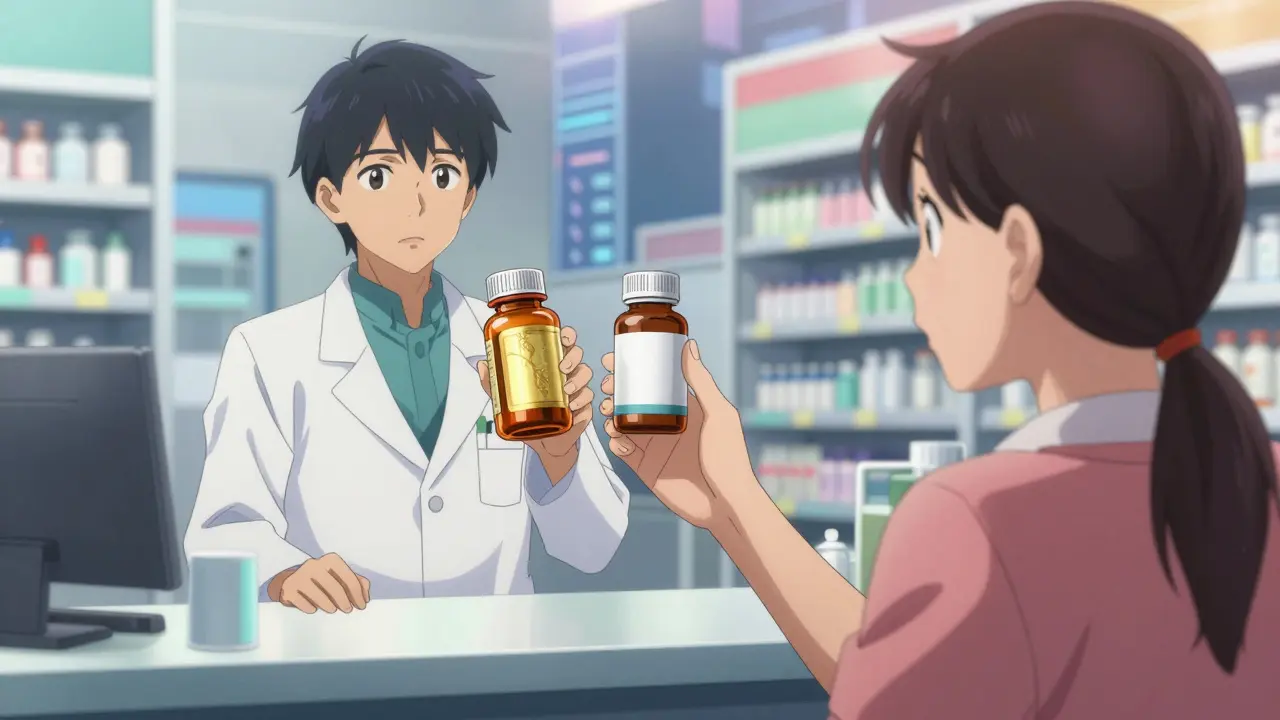
Ever wonder why your pharmacy might swap your brand-name medication for a generic that looks different but costs way less, yet your insurance approves it instantly? You might be dealing with an authorized generic. These aren't your typical store-brand generics. They occupy a strange middle ground in the pharmacy world-they are chemically identical to the brand-name drug because they are made by the same company, just sold under a different name. For patients, this can be a lifesaver, especially if you have allergies to specific inactive ingredients found in other generic versions. But for those navigating insurance, the real question is: where do these drugs land on the formulary placement list, and how does that affect your wallet?
What exactly is an authorized generic?
To understand the insurance side, we first need to clear up what we're talking about. Authorized Generics is a listed drug approved under a brand manufacturer's original New Drug Application (NDA) but marketed without the brand name. Unlike traditional generics, which use an Abbreviated New Drug Application (ANDA) to prove they are "bioequivalent" to the original, an authorized generic *is* the original product. It's essentially the brand-name drug in a different outfit.
This regulatory shortcut means they don't have to go through the same rigorous bioequivalence testing that other generic companies do. They can hit the market the moment a patent expires, or sometimes even sooner. Think of it like a high-end clothing brand selling the exact same shirt through a discount outlet-the quality and fabric are identical, but the label and the price tag are different.
How insurance companies handle formulary tiers
Insurance companies use "formularies"-essentially a giant menu of covered drugs-to decide how much of a medication they'll pay for. These are divided into tiers. Generally, Tier 1 is the cheapest (preferred generics), Tier 2 is slightly more expensive (non-preferred generics), and Tiers 3 and 4 are for brand-name drugs with high copays.
Because authorized generics are marketed as generics, they almost always land in the lower tiers. According to data from Health Affairs, about 87% of Medicare Part D plans place these drugs in the same tier as conventional generics. This is a huge win for the patient. You get the exact formulation of the brand drug you trust, but you pay the Tier 2 generic copay instead of the Tier 3 brand-name price.
| Feature | Brand-Name Drug | Authorized Generic | Traditional Generic |
|---|---|---|---|
| Manufacturing Source | Original Brand Company | Original Brand Company | Third-Party Company |
| Regulatory Path | NDA (Full Application) | NDA (Existing Application) | ANDA (Bioequivalence) |
| Typical Formulary Tier | Tier 3 or 4 (High Cost) | Tier 1 or 2 (Low Cost) | Tier 1 or 2 (Low Cost) |
| Typical Pricing | Baseline (100%) | 15-25% less than Brand | Lowest available price |

The role of Pharmacy Benefit Managers (PBMs)
If you've ever had a prescription denied at the counter, the "villain" (or hero) in the story is often the Pharmacy Benefit Manager or PBM, which is a third-party administrator that manages prescription drug programs for health insurers. PBMs like Express Scripts or CVS Caremark decide which NDC (National Drug Code) numbers are approved for a specific tier.
Updating these databases takes time. When a new authorized generic hits the market, it can take a PBM anywhere from 30 to 45 days to update their system. During this window, you might experience a "coverage gap" where the pharmacist tries to run the claim as a generic, but the system doesn't recognize the code yet, resulting in a temporary denial. This is why some patients report frustration when their medication is swapped without warning; the pharmacy is trying to save them money, but the PBM's paperwork hasn't caught up.
Why authorized generics are a strategic "middle ground"
Why would an insurance company prefer these over standard generics? It comes down to risk and stability. Some medications have a "narrow therapeutic index," meaning a tiny difference in the dose or the way the drug is absorbed can cause a major problem for the patient. For these high-risk drugs, insurers love authorized generics because there is zero risk of a formula difference. It's the exact same drug the doctor originally prescribed.
From a business perspective, some experts, like those at Harvard Medical School, argue that this is the perfect balance between saving money and ensuring the patient stays healthy. However, not everyone is happy. Some critics argue that brand companies use authorized generics to crowd out other generic competitors, which can actually keep prices higher in the long run by slowing down true competition.

Common hurdles and how to clear them
Even though these drugs are great for costs, they aren't always easy to navigate. One of the biggest issues is that authorized generics don't always appear in the FDA Orange Book, making them harder for some pharmacists to identify quickly. This has led to processing errors-sometimes as high as 12% in some pharmacy chains-before specialized verification steps are put in place.
If you are struggling with coverage, here is a quick game plan:
- Check the FDA list: See if your medication has an authorized generic version available.
- Ask about NDC codes: If your insurance is denying a generic, ask the pharmacist if there is an "authorized generic" NDC that might be on a different tier.
- Request a Tier Exception: If you have a documented allergy to the inactive ingredients in a traditional generic, your doctor can request that the insurance cover the authorized generic at the lower tier price.
The future of generic coverage
Looking ahead, the use of these drugs is only going to grow. With the Inflation Reduction Act pushing for lower out-of-pocket costs in Medicare Part D, the government is encouraging a shift toward these cost-effective options. We are seeing more "Authorized Generic First" policies, where insurers require you to try the authorized version before they will pay for the expensive brand name.
As we move toward value-based care, the focus is shifting from just "the cheapest drug" to "the drug that provides the best outcome for the lowest price." Authorized generics fit this mold perfectly. They offer the reliability of a brand drug with the price tag of a generic, making them a cornerstone of modern pharmacy benefit design.
Are authorized generics the same as regular generics?
Not exactly. While both are cheaper than brand-name drugs, a regular generic is made by a different company and must prove it works the same way (bioequivalence). An authorized generic is made by the original brand-name manufacturer, meaning it is identical in every way to the brand drug, just sold without the brand name.
Will my insurance cover an authorized generic at a lower copay?
In most cases, yes. Most insurance plans and Medicare Part D plans place authorized generics in the same tier as traditional generics (usually Tier 1 or 2), which means you pay a significantly lower copay than you would for the brand-name version.
Why did my pharmacy switch my medicine to an authorized generic?
Pharmacies often do this to save you money or to comply with your insurance company's formulary requirements. Since authorized generics are therapeutically equivalent to the brand, pharmacists can often substitute them to reduce your out-of-pocket costs.
Can I request an authorized generic if I'm allergic to other generics?
Yes. Because authorized generics use the exact same inactive ingredients as the brand-name drug, they are a great alternative for people who react poorly to the fillers or dyes used by other generic manufacturers. Your doctor may need to submit a medical necessity form to your insurer.
How long does it take for insurance to recognize a new authorized generic?
It typically takes Pharmacy Benefit Managers (PBMs) about 30 to 45 days from the product launch to update their databases and NDC codes. During this time, you might encounter initial claim denials until the system is updated.