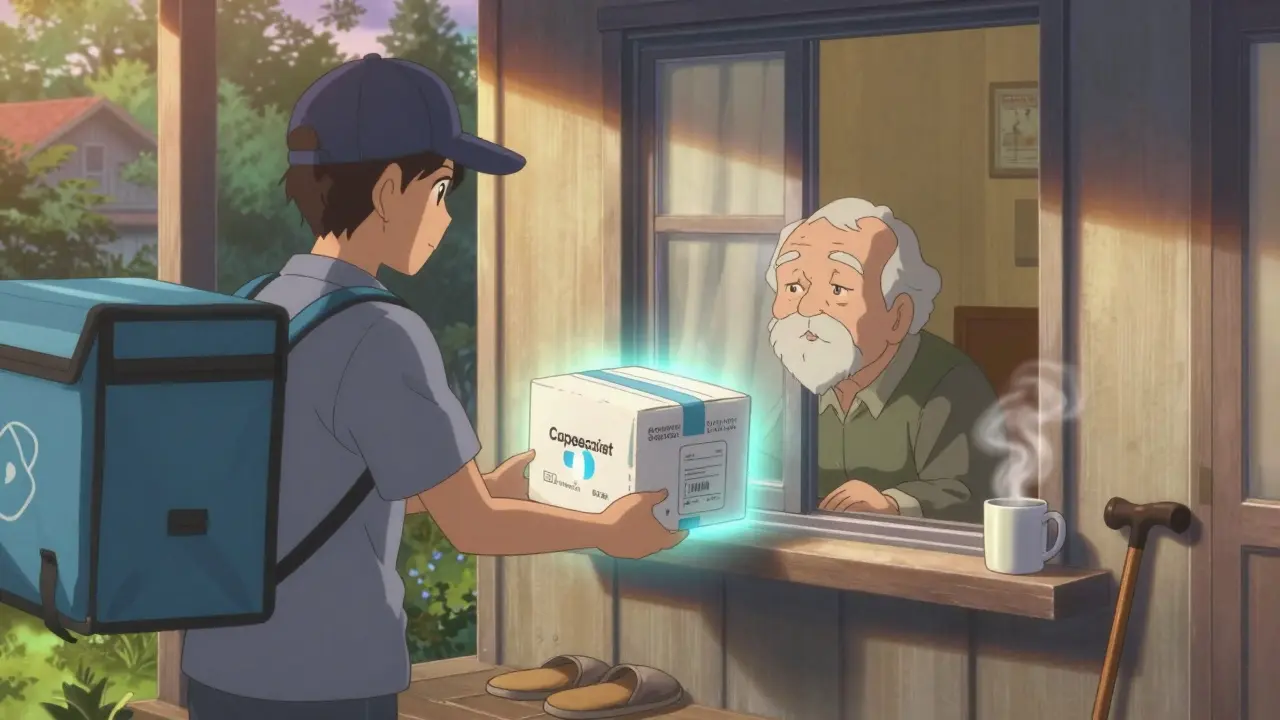
Running out of your blood pressure pills because you couldn’t get to the pharmacy? Or forgetting to refill your diabetes meds because life got busy? You’re not alone. Millions of people struggle with medication adherence-not because they don’t care, but because picking up prescriptions is just another hurdle in an already packed day. That’s where pharmacy delivery and mail-order services come in. They don’t just save time-they save lives.
Why Mail-Order Works Better for Chronic Medications
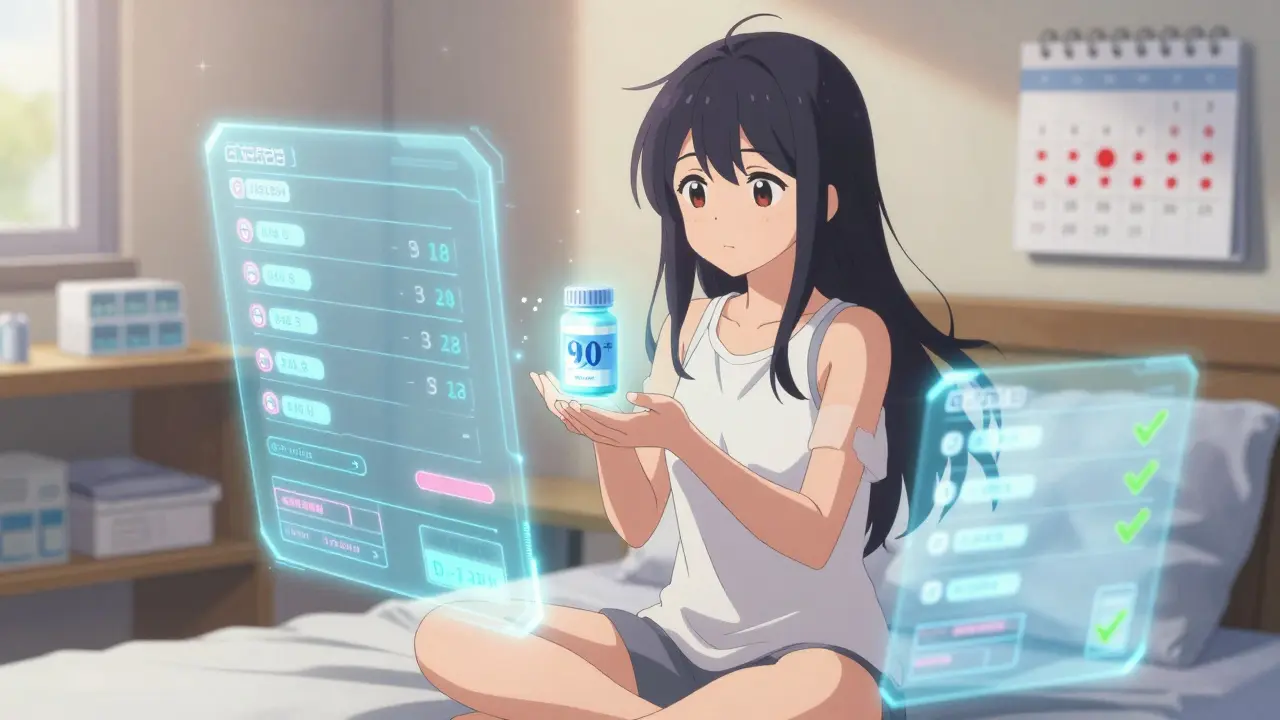
If you take the same meds every day for a condition like high cholesterol, thyroid disease, or asthma, you’re a perfect candidate for mail-order. The biggest reason? Convenience turns into consistency. When you get 90 days of medication delivered to your door, you’re far less likely to miss a dose. Data from Blue Cross NC shows patients on 90-day mail-order refills stick to their treatment 82% of the time. Compare that to just 52% for people who refill every 30 days at a local pharmacy. It’s not magic. It’s math. Three 30-day fills cost more than one 90-day order. Most insurance plans charge you the same copay for two months’ supply as they do for one. So you save money and avoid the hassle of remembering to refill every month. For someone on a $150-a-month brand-name drug, that’s $150-$300 saved every year.How It Actually Works: A Simple Step-by-Step
Getting started is easier than you think. Here’s how it works in real life:- Check if your insurance covers mail-order. Most plans-Medicare, Medicaid, and private insurers-do. Look under “pharmacy benefits” on your plan’s website or call the number on your card.
- Choose a mail-order pharmacy. If your insurer uses Express Scripts, CVS Caremark, or OptumRx, they’ll send you a link. If you’re on a university or employer plan (like Birdi at the University of Michigan), you’ll get direct access.
- Transfer your prescriptions. You can do it online in minutes. Just log in, pick your meds, and authorize the transfer. Your current pharmacy will handle the rest. It takes 3-5 business days.
- Set up delivery preferences. Most services let you pick a delivery date and even sync all your meds to arrive together. No more one box on Tuesday, another on Thursday.
- Order your next refill early. Set a reminder for 10 days before you run out. Processing and shipping take time.
What You Can and Can’t Get
Not every prescription qualifies. Mail-order works best for stable, long-term medications. That includes:- High blood pressure pills (lisinopril, amlodipine)
- Diabetes meds (metformin, GLP-1 agonists)
- Cholesterol drugs (atorvastatin, ezetimibe)
- Thyroid hormones (levothyroxine)
- Antidepressants and anti-anxiety meds (sertraline, escitalopram)
- Controlled substances like opioids, benzodiazepines, or stimulants (Adderall, oxycodone)
- Medications that need special handling (some biologics, injectables)
- Acute prescriptions like antibiotics or painkillers for sudden injuries
Delivery, Packaging, and Safety
You might worry about your meds sitting in a truck for days. But mail-order pharmacies don’t just slap pills in a box. They use temperature-controlled packaging-insulated liners, gel packs, even phase-change materials-for meds that need to stay cool. Insulin, biologics, and some antibiotics are shipped this way. Every shipment is tracked. Most services offer real-time updates via text or email. Lost packages? They happen, but only in about 1.2% of deliveries. If yours goes missing, most companies replace it within 24-48 hours at no cost. And yes-your data is safe. All major mail-order pharmacies are HIPAA-compliant. Your prescription history, dosing info, and personal details are encrypted and protected.Cost Savings You Can’t Ignore
Let’s say you’re on a $200-a-month brand-name drug. At a retail pharmacy, you pay $50 per 30-day fill. That’s $150 a month. With mail-order, you pay $50 for a 90-day supply. Same copay. Same meds. But now you’re saving $100 a month. That’s $1,200 a year. Even cash-paying customers benefit. Mail-order pharmacies often have lower list prices than retail chains because they buy in bulk. Patient Direct Pharmacy, for example, offers prices up to 35% cheaper than Walmart or CVS for the same drug. And it’s not just you. Employers and insurers save too. PCMA estimates mail-order could save the U.S. healthcare system $23.5 billion over 10 years by cutting down on hospital visits caused by missed doses.When to Stick With Your Local Pharmacy
Mail-order isn’t for everyone. Keep your local pharmacy for:- New prescriptions-especially if you need counseling on side effects
- Medications you’re trying for the first time
- Urgent needs (antibiotics, pain relief after surgery)
- Complex regimens where you need quick adjustments
Real Stories, Real Impact
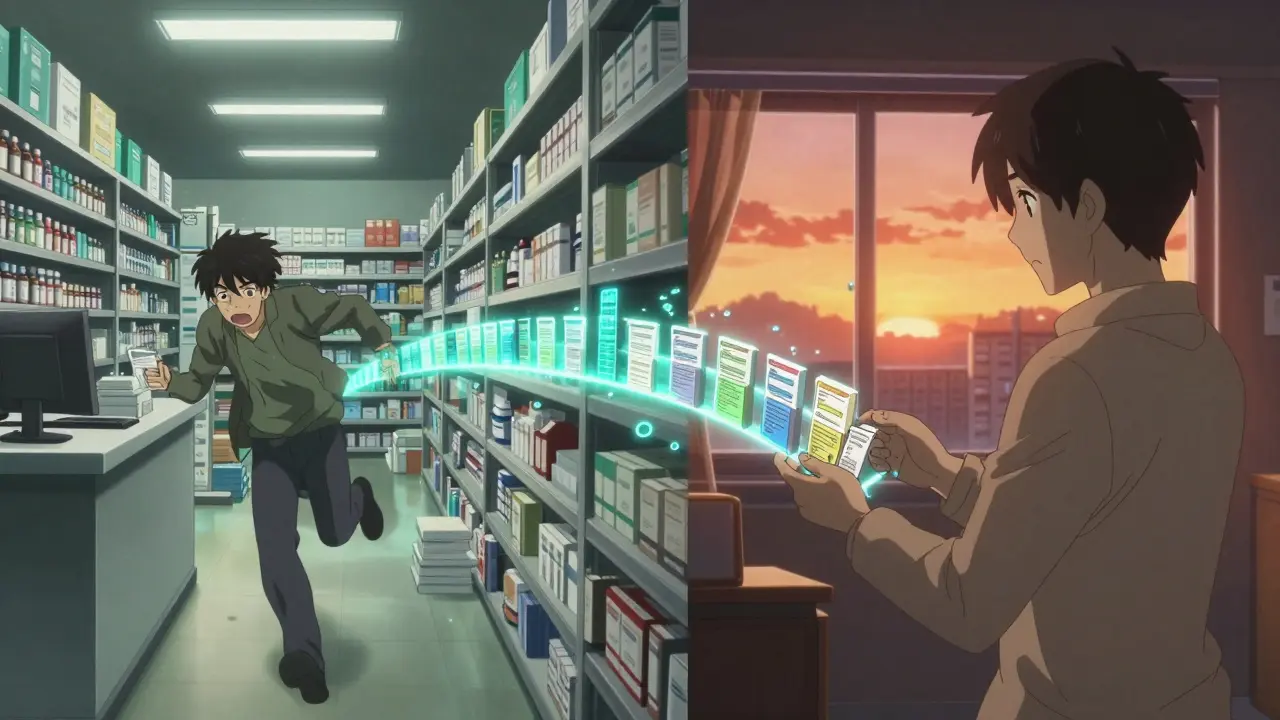
One Reddit user with multiple sclerosis shared: “I used to spend hours getting to the pharmacy in my wheelchair. Now I get my disease-modifying drugs delivered. I sleep better. I’m less stressed.” A retired teacher in Texas said: “I’ve been on five meds for 12 years. I used to forget to refill. Now I get a text: ‘Your pills are on the way.’ I haven’t missed a dose in two years.” Trustpilot reviews for Patient Direct Pharmacy show a 4.7/5 rating. Users praise next-day delivery and seamless coordination with workers’ comp insurers. University of Michigan members say Birdi’s pharmacists are “helpful and fast.”What to Watch Out For
No system is perfect. Here are the common pitfalls:- Delays: About 8.3% of users report packages taking longer than promised. Always order early.
- Refill confusion: If you change your dose, mail-order might not update fast enough. Call the pharmacy directly.
- Insurance changes: If your plan switches PBMs, your mail-order pharmacy might change. Check your benefits every year during open enrollment.
- Too many meds: If you’re on 10+ prescriptions, syncing them all can be tricky. Ask for help-most services offer dedicated coordinators.
The Future Is Here
Mail-order isn’t slowing down. In 2022, it handled 25% of all U.S. prescriptions. By 2028, the market will be worth nearly $190 billion. Insurers are adding AI tools that predict when you’re about to miss a dose-and send you a nudge. Some are testing drone deliveries in rural areas. Smart packaging with temperature sensors is rolling out for expensive biologic drugs. The goal? Make taking your meds as easy as checking your email. And it’s working.If you’re on chronic meds, switching to mail-order isn’t just convenient-it’s a health strategy. You’re not just saving time. You’re protecting your body from preventable hospital visits, complications, and decline. Start today. Order your next refill early. Your future self will thank you.
Can I use mail-order pharmacy if I don’t have insurance?
Yes. Many mail-order pharmacies like Patient Direct Pharmacy and Blink Health offer cash prices that are often lower than retail pharmacy co-pays. You can order without insurance by paying upfront online. Just make sure the pharmacy is licensed and verified by the National Association of Boards of Pharmacy (NABP).
How long does it take to get my first mail-order prescription?
Your first order usually takes 5-7 business days. That includes transferring your prescription from your current pharmacy (3-5 days) and shipping time (2-3 days). After that, refills are faster-often 3-5 days. If you need meds sooner, use your local pharmacy for the first fill.
Can I switch back to retail if I don’t like mail-order?
Absolutely. There’s no penalty or lock-in. You can transfer your prescriptions back to a local pharmacy anytime. Just call your preferred pharmacy and ask them to transfer your meds. They’ll handle the paperwork. Many people use both-mail-order for maintenance meds, retail for acute needs.
Are mail-order pharmacies safe and legitimate?
Yes-if you use one that’s licensed and accredited. Stick to pharmacies linked to your insurance plan, or those with the NABP Verified Internet Pharmacy Practice Sites (VIPPS) seal. Avoid websites that sell meds without a prescription. Legit mail-order pharmacies require a valid prescription, use licensed pharmacists, and follow strict safety rules.
What if my meds arrive damaged or wrong?
Call the pharmacy immediately. Most have 24/7 pharmacist lines. They’ll verify your order, send a replacement at no cost, and often include a prepaid return label. Mail-order pharmacies have a 99.8% accuracy rate thanks to robotic dispensing and double-check systems. Mistakes are rare, but they fix them fast when they happen.
Can I get my refills delivered on the same day every month?
Yes. Most services let you schedule synchronized delivery so all your meds arrive together. This is especially helpful if you’re on multiple prescriptions. Just log in to your account and select the option to sync deliveries. Some even let you choose a specific day of the month.
Do mail-order pharmacies offer pharmacist consultations?
Yes. All major mail-order pharmacies have licensed pharmacists available 24/7 by phone. You can ask about side effects, interactions, or how to take your meds correctly. Some even offer video calls. You don’t need to visit a store to get expert advice.


