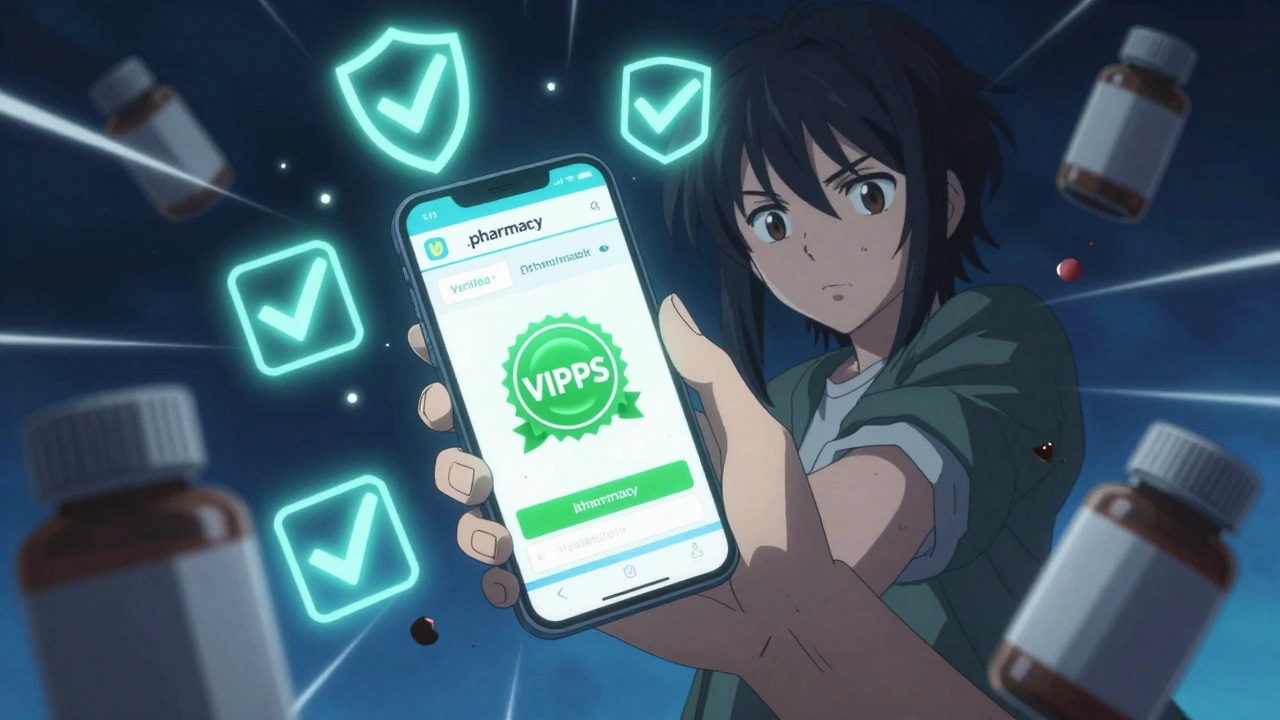
Buying medication online sounds convenient-until you get pills that don’t work, or worse, make you sick. In 2022, the FDA recorded over 1,800 adverse events linked to online pharmacy purchases, and nearly two-thirds of those involved counterfeit drugs. The truth? Most online pharmacies aren’t safe. Only about 6% of the thousands operating globally meet basic safety standards. But there’s a way to find the ones that do. It’s not hard-you just need to know what to look for.
What Makes an Online Pharmacy Licensed and Safe?
A licensed online pharmacy isn’t just a website with a fancy logo and a "100% Guaranteed" badge. It’s a business that follows real rules. In the U.S., that means being accredited by the Verified Internet Pharmacy Practice Sites (VIPPS) program, run by the National Association of Boards of Pharmacy (NABP). To earn this seal, a pharmacy must have a physical address in the U.S., employ licensed pharmacists, require a valid prescription from a doctor, and pass strict inspections on security, privacy, and medication handling.The .pharmacy domain is another key sign. Only pharmacies that prove their license to NABP can use it. If you see a site ending in .pharmacy, it’s been verified. But don’t stop there. Fake seals are common. A scammer can copy a VIPPS logo and slap it on their site. That’s why you need to click it and check the NABP Safe Site Search tool directly.
Check for a Valid Prescription Requirement
If a website lets you buy prescription drugs like insulin, antibiotics, or blood pressure medication without a prescription, walk away. That’s not convenience-it’s illegal. The FDA is clear: legitimate pharmacies always require a prescription from a licensed healthcare provider. No exceptions.Some shady sites claim they offer "online consultations" to get your prescription. But if the doctor never sees your medical history, never asks about allergies, and approves your order in under 30 seconds, it’s a red flag. Real telehealth services connect you with a licensed provider who reviews your records and determines if the medication is right for you. If it feels rushed, it’s not safe.
Verify the Physical Address and Contact Info
Every legitimate pharmacy has a real, verifiable address. Not a P.O. box. Not a suite number in a shared office building. A place where you could walk in and speak to a pharmacist.Look for a phone number that connects to a live person-not an automated system. Try calling during business hours. If you get voicemail, or the number doesn’t match the address listed, that’s a warning. The FDA recommends using their BeSafeRx tool to cross-check the pharmacy’s address against state pharmacy board records. If the address doesn’t show up there, the pharmacy isn’t licensed.
Look for HTTPS and the Padlock Icon
Your payment information is sensitive. A safe online pharmacy uses strong encryption. That means the website URL must start with https://, not http://. You should also see a padlock icon in your browser’s address bar. Click it to check the certificate. It should be issued to the pharmacy’s official domain name, not a third-party service.Legit sites also avoid sketchy payment methods. If they ask for wire transfers, Bitcoin, or gift cards, run. Reputable pharmacies accept major credit cards, debit cards, or secure platforms like PayPal. Why? Because those methods offer fraud protection. If something goes wrong, you can dispute the charge.
Use Trusted Verification Tools
Don’t rely on the pharmacy’s own claims. Go straight to the source.- NABP Safe Site Search: Enter the pharmacy’s name or URL. If it’s VIPPS-accredited, it’ll show up with a green checkmark. Updated daily.
- PharmacyChecker: This nonprofit evaluates over 1,500 pharmacies globally. Their verification includes mystery shopper visits and onsite inspections. Look for their seal and click to verify.
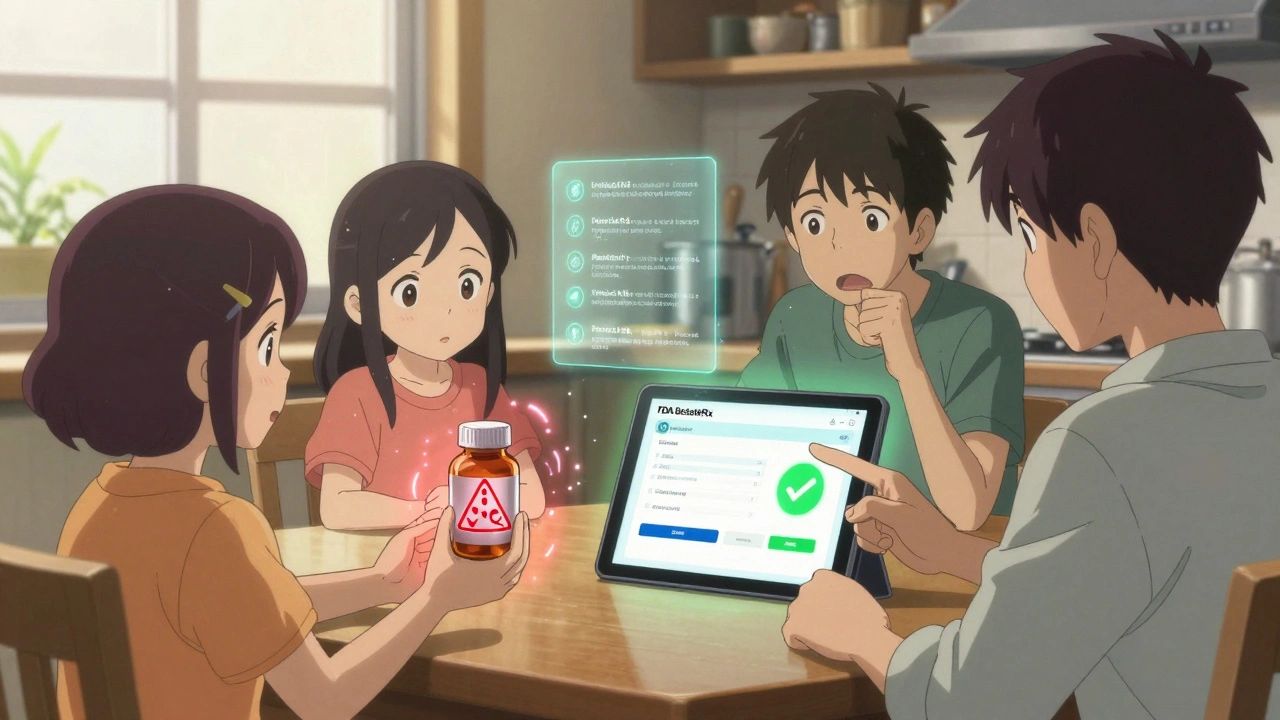
- BeSafeRx: Run by the FDA, this tool links you to your state’s pharmacy board. It’s the most reliable way to confirm a U.S. pharmacy is licensed.
Canadian pharmacies are trickier. Many sites claim to be Canadian but operate from other countries. To verify a Canadian pharmacy, check with the provincial pharmacy regulator-like the College of Pharmacists of British Columbia-not the website’s "About Us" page. NAPRA found that 42% of sites claiming Canadian licensing in 2022 were fake.
What to Watch Out For
Here are the most common signs of a scam pharmacy:- "No prescription needed" or "Instant approval"
- Prices that are too good to be true (e.g., brand-name Viagra for $1 per pill)
- No pharmacist available to answer questions
- Spelling errors, broken English, or unprofessional design
- Pop-up ads or redirects to other sites
- Claims of "FDA approved" or "FDA registered"-the FDA doesn’t approve online pharmacies, only individual drugs
Consumer Reports found that in 2022, people ordering from unverified sites received pills with toxic levels of active ingredients. One batch of fake "Viagra" had 200-300% more sildenafil than labeled. Another contained rat poison. These aren’t rare cases. They’re the norm in illegal operations.
Why Licensed Pharmacies Are Worth the Extra Step
You might think, "Why bother? The price is higher at a VIPPS pharmacy." But here’s the math: a $50 bottle of fake medication that doesn’t work-and might poison you-isn’t a bargain. A $75 bottle from a licensed pharmacy that works, comes with pharmacist advice, and has a return policy? That’s value.Legitimate pharmacies also offer benefits you won’t find elsewhere: pharmacist consultations, medication reviews, refill reminders, and secure packaging. Trustpilot reviews of VIPPS-accredited pharmacies show a 4.3/5 average rating, with 78% of users praising access to a real pharmacist. That’s not luck-it’s accountability.
What About International Pharmacies?
Some people turn to pharmacies in Canada, the U.K., or India because prices are lower. It’s understandable. But the rules are different.In Canada, pharmacies must be licensed by their province. You can’t trust a website claiming to be "Canadian" unless you verify it with the provincial regulatory body. PharmacyChecker only accredits Canadian pharmacies that meet U.S. safety standards and undergo onsite audits.
Pharmacies in India or Southeast Asia? Most aren’t regulated the same way. Even if they claim to follow WHO standards, there’s no independent oversight. The FDA has seized thousands of shipments from these regions. The risk isn’t worth it.
What to Do If You’ve Already Ordered from a Suspicious Site
If you bought from a site you now suspect is fake:- Stop taking the medication.
- Call your doctor or pharmacist immediately.
- Report it to the FDA’s MedWatch program.
- File a complaint with the FTC at ReportFraud.ftc.gov.
- Check your bank statements for unauthorized charges.
Counterfeit drugs don’t always cause immediate harm-but they can silently damage your health. A fake antibiotic might not kill your infection. A fake blood thinner might not work at all. The consequences can be deadly.
Final Checklist: Your 5-Minute Safety Test
Before you buy anything online, run through this:- Does the site require a valid prescription?
- Is there a U.S. physical address and working phone number?
- Does the URL start with https:// and show a padlock?
- Is it listed on NABP’s Safe Site Search or PharmacyChecker?
- Does it accept credit cards-not crypto or wire transfers?
If you can answer yes to all five, you’re likely safe. If even one is no, don’t buy. There are plenty of legitimate options.
The online pharmacy market is growing fast. By 2025, nearly half of all U.S. prescription orders will come from online sources. But that doesn’t mean every site is trustworthy. The ones that are, are easy to find-if you know how. Don’t let convenience override safety. Your health isn’t a gamble.
How can I tell if an online pharmacy is real?
A real online pharmacy requires a valid prescription, has a physical U.S. address and working phone number, uses HTTPS encryption, and is listed on the NABP Safe Site Search or PharmacyChecker. Look for the .pharmacy domain and avoid sites that sell without prescriptions or accept only crypto or wire transfers.
Is it safe to buy medication from Canada online?
It can be-but only if you verify the pharmacy through the provincial pharmacy regulatory body, not just the website’s claims. Many sites pretend to be Canadian but operate from other countries. Use PharmacyChecker to find accredited Canadian pharmacies that meet U.S. safety standards.
What should I do if I received fake medicine?
Stop taking the medication immediately. Contact your doctor or pharmacist. Report the incident to the FDA through MedWatch and file a complaint with the FTC. Keep the packaging and pills as evidence. Counterfeit drugs can cause serious harm-even if you feel fine now.
Why do some online pharmacies not require a prescription?
Because they’re illegal. Legitimate pharmacies follow U.S. and international laws that require prescriptions for controlled and prescription-only medications. Sites that skip this step are selling counterfeit or unregulated drugs. They don’t care about your safety-they care about your money.
Are VIPPS-accredited pharmacies more expensive?
Sometimes, but not always. Prices vary based on location and insurance. What’s different is the safety. A VIPPS pharmacy gives you a real pharmacist to call, verified medications, secure shipping, and legal protection. The cost of a fake drug-health damage, hospital visits, or worse-is far higher than any price difference.
Can I trust online pharmacies that are listed on Amazon or Facebook?
No. Just because a pharmacy is allowed to advertise on major platforms doesn’t mean it’s safe. Many fake pharmacies use fake certifications to get approved. Always verify the pharmacy independently using NABP or PharmacyChecker. Never rely on platform listings alone.
Next Steps: What to Do Today
If you’re using an online pharmacy right now, pause. Open a new tab and go to NABP’s Safe Site Search. Type in the name of the pharmacy you use. If it doesn’t appear, stop ordering. Find one that does.Set a reminder on your phone: every time you order from a new online pharmacy, spend 10 minutes verifying it. It’s not extra work-it’s your insurance policy. Your health depends on it.


