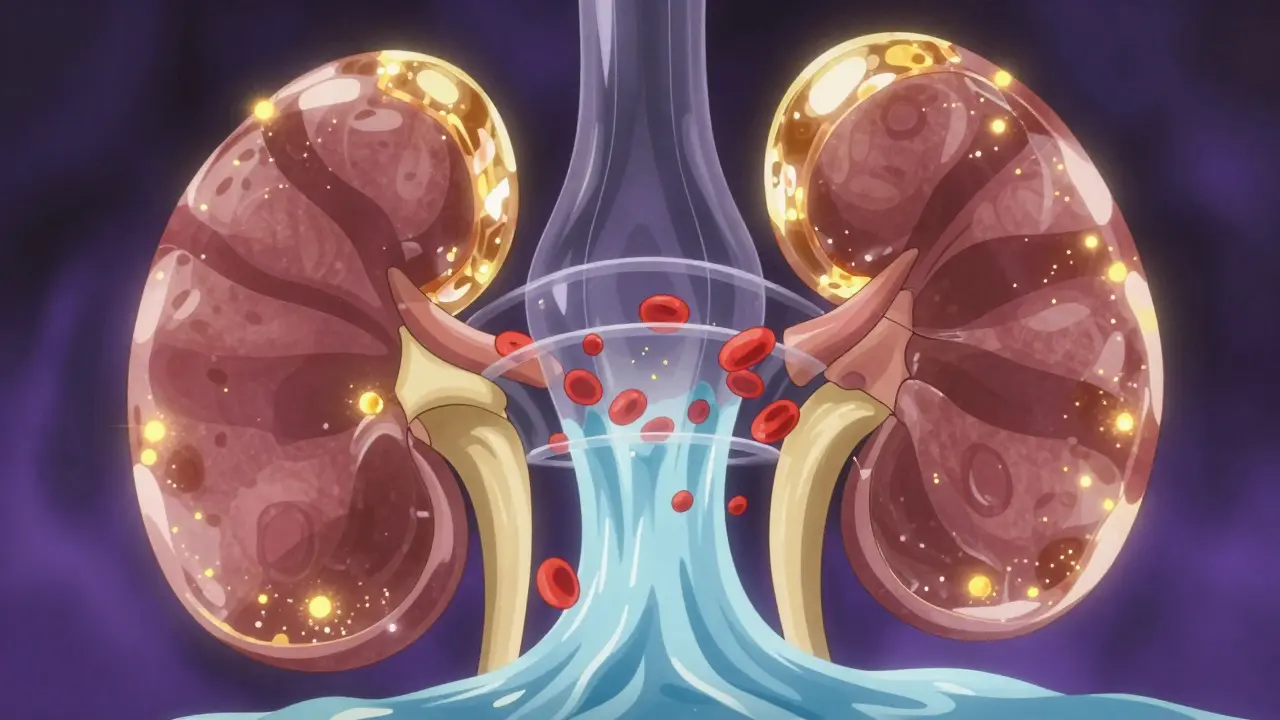
Imagine your kidneys as a sophisticated water treatment plant. Inside this plant are millions of tiny, high-pressure filters called glomeruli. Their job is simple but vital: keep the good stuff (like proteins and blood cells) in your body and flush the waste out through your urine. Now, imagine your own immune system-the very thing meant to protect you-suddenly decides these filters are the enemy. It launches an attack, causing inflammation and scarring that can lead to a complete system failure. This is exactly what happens in Glomerulonephritis is a group of kidney diseases characterized by inflammation of the glomeruli, the microscopic filtering units of the kidneys.
If you've noticed foamy urine, swollen ankles, or a sudden change in how often you go to the bathroom, you might be dealing with a leak in these filters. While the idea of an "immune attack" sounds scary, understanding how it works is the first step toward stopping the damage. Whether it's a sudden reaction to an infection or a lifelong autoimmune struggle, getting the right diagnosis quickly is the difference between a full recovery and the long road toward dialysis.
How the Kidney Filter Actually Works
To understand the damage, we have to look at the hardware. Your kidney filter, known as the glomerular filtration barrier, isn't just one wall; it's a three-layered security system. First, you have the endothelial cells and their sugary coating (the glycocalyx) that act as the first coarse screen. Then comes the glomerular basement membrane, a dense mesh that stops larger molecules from slipping through. Finally, there are the podocytes-specialized epithelial cells that wrap around the capillaries like interlocking fingers.
Podocytes are the "divas" of the kidney. As noted by experts like Dr. Richard Johnson, they have very limited ability to repair themselves. If the immune system damages a podocyte, it doesn't just bounce back; it often dies or detaches. Once these cells are gone, the "holes" in the filter get bigger, allowing protein to leak into your urine-a condition called proteinuria. This is why podocytes are the primary target in most forms of immune-mediated kidney injury.
Nephritic vs. Nephrotic: Spotting the Difference
Glomerulonephritis doesn't look the same for everyone. Doctors generally group the symptoms into two main clinical patterns. Knowing which one you're seeing helps narrow down the cause significantly.
The first is nephritic syndrome. Think of this as an "inflammatory" response. The filters become inflamed and clogged, which blocks blood flow. This leads to a drop in kidney function and a backup of pressure in the body, causing hypertension (high blood pressure). A key sign here is hematuria-blood in the urine-which can make your pee look like cola or tea. In these cases, serum creatinine levels often jump to between 1.5 and 3.0 mg/dL as waste builds up in the blood.
The second is nephrotic syndrome. This is more of a "leaky" response. Instead of inflammation blocking the flow, the barrier is simply broken. The result is massive proteinuria, where you lose more than 3.5g of protein per day. Because you're losing albumin (a key blood protein), your blood can't hold onto water, and it leaks into your tissues. This causes the classic "pitting edema"-swelling in the ankles and around the eyes that leaves a fingerprint indentation when pressed.
| Feature | Nephritic Syndrome | Nephrotic Syndrome |
|---|---|---|
| Primary Issue | Inflammation & Blockage | Damage & Leakage |
| Urine Appearance | Bloody/Cola-colored | Foamy (due to protein) |
| Blood Pressure | Usually High (Hypertension) | Often Normal |
| Protein Loss | Mild to Moderate | Severe (>3.5g/day) |
| Key Symptom | Reduced urine output | Severe swelling (Edema) |
The Different Types of Immune Attacks
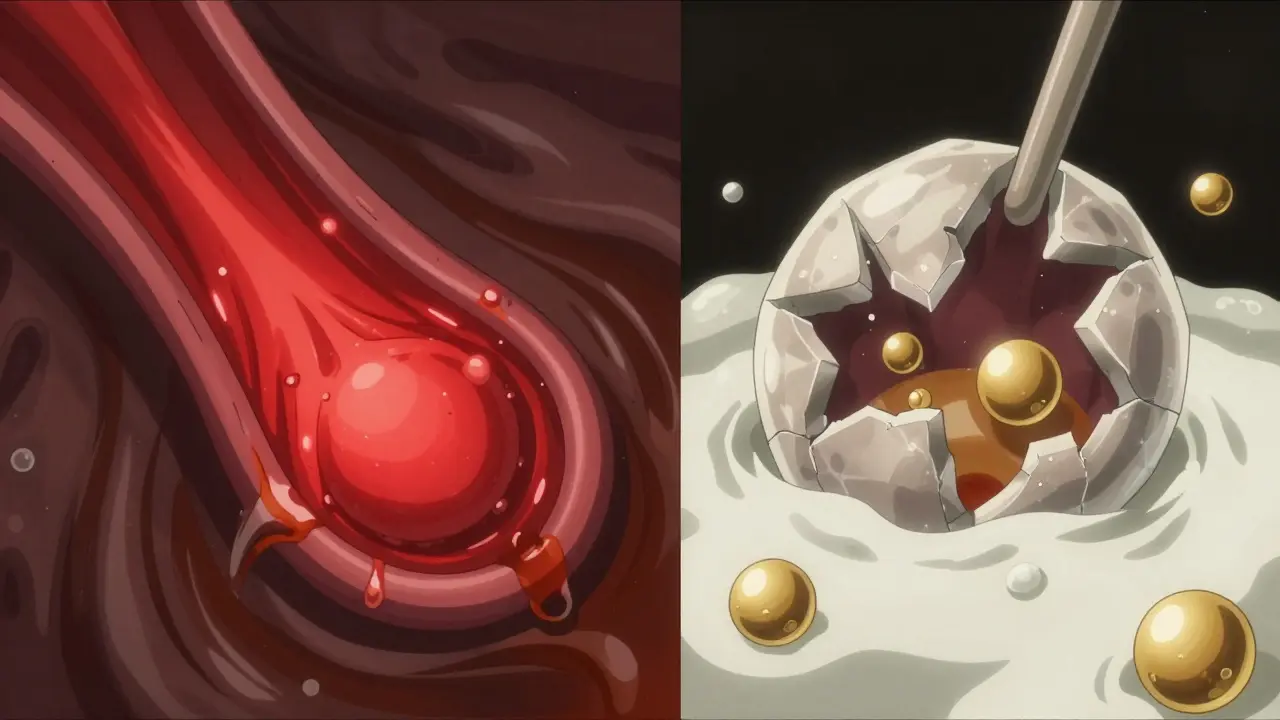
Not all immune attacks follow the same playbook. Some are caused by "immune complexes"-clumps of antibodies and antigens that get stuck in the filter like glue, triggering inflammation. Others are caused by a malfunction in the complement system, a part of your innate immune system that is supposed to kill bacteria but instead starts eating your own kidney tissue.
- IgA Nephropathy: Currently the most common primary GN worldwide. It happens when a specific antibody (IgA) doesn't fold correctly, causing the body to attack it and deposit it in the kidney. For 20-40% of people with this condition, the damage progresses to end-stage renal disease over two decades.
- Lupus Nephritis: A complication of Systemic Lupus Erythematosus (SLE). About 50-60% of lupus patients develop this, where the body's own antibodies attack the glomerular basement membrane.
- C3 Glomerulonephritis (C3G): A rare but aggressive form where the C3 protein in the complement system overactivates. This protein accumulates in the filters at levels 3 to 5 times higher than normal, leading to rapid scarring.
- Post-Streptococcal GN: Common in children after a strep throat infection. The good news? About 95% of children recover fully within two months.
The Hard Truth About Diagnosis and Treatment
You can't diagnose GN with a simple blood test. While a urine sample can show protein and blood, the only way to know *exactly* what's happening is through a kidney biopsy. A needle is used to take a tiny piece of kidney tissue, which is then examined under a microscope. This is a high-stakes process; it takes nephropathologists 5 to 7 years of training just to distinguish between the different subtypes of GN.
Once diagnosed, the go-to treatment has traditionally been corticosteroids (like prednisone). They are powerful tools for quenching the immune fire, but they come with a heavy price. According to the NEPTUNE study, 30-50% of patients see treatment failure or suffer severe side effects. We're talking about significant weight gain, bone density loss (osteoporosis), and a much higher risk of infections. It's a brutal trade-off: saving the kidneys while potentially damaging the bones and metabolic system.
The future, however, is moving toward "targeted therapy." Instead of nuking the entire immune system with steroids, new drugs like eculizumab target specific proteins in the complement pathway. For C3G patients, these can reduce protein leakage by 40-50%. The downside? The cost is astronomical, sometimes reaching $500,000 a year, making these life-saving drugs inaccessible for many.
Living with GN: The Patient Perspective
Medical charts rarely capture the daily grind of kidney disease. If you're living with GN, the most debilitating symptom isn't always the one the doctor focuses on. Patient surveys show that 65% of people suffer from crushing fatigue that doesn't go away with sleep. Then there's the anxiety of the "unknown"-the 4.2-month average it often takes just to get a definitive diagnosis.
Managing edema (swelling) is another constant battle. Many patients describe the frustration of waking up with eyelids so swollen they can barely open them, or struggling to fit into shoes by the end of the day. This is why early intervention is so critical. Patients who start advanced therapies like rituximab early in their diagnosis often avoid the need for dialysis entirely.
Can Glomerulonephritis be cured?
It depends on the type. Post-streptococcal GN in children often resolves completely. Other types, like IgA nephropathy or Lupus nephritis, are chronic conditions that require lifelong management to slow progression. The goal is often "remission"-stopping the active inflammation to prevent the kidneys from failing entirely.
What are the earliest warning signs?
The most common signs are foamy urine (indicating protein leakage) and "cola-colored" or tea-colored urine (indicating blood). You might also notice swelling in your feet, ankles, or around your eyes, especially in the morning. High blood pressure that appears suddenly without a family history is also a red flag.
Is a kidney biopsy always necessary?
In the vast majority of cases, yes. While blood and urine tests provide clues, they cannot distinguish between different types of GN. Because the treatment for C3G is completely different from the treatment for IgA nephropathy, a biopsy is the only way to ensure you aren't taking powerful drugs that won't actually help your specific condition.
What diet should I follow if I have GN?
Generally, doctors recommend a low-sodium diet to help manage hypertension and reduce swelling (edema). Depending on your kidney function (measured by GFR), you may also need to limit potassium and phosphorus. Always consult a renal dietitian, as restricting proteins too much can be harmful, but too much can stress the remaining filters.
What happens if the treatment fails?
If the inflammation cannot be stopped and the glomeruli become permanently scarred (sclerosis), the kidneys may reach end-stage renal disease (ESRD). At this point, the kidneys can no longer filter waste from the blood, and the patient will require dialysis or a kidney transplant to survive.
Next Steps and Troubleshooting
If you've been diagnosed with Glomerulonephritis, your first priority is to establish a baseline. This means regular monitoring of your serum creatinine and proteinuria. In the beginning, your doctor might check your creatinine every two weeks to ensure the treatment is working and not causing further damage.
For those on corticosteroids: Be vigilant about bone health. Ask your doctor about calcium and vitamin D supplements to mitigate the risk of osteoporosis and fractures. If you notice sudden weight gain or extreme mood swings, report them immediately; these are common steroid side effects that can often be managed by adjusting the dose.
For those with chronic GN: Keep a detailed log of your blood pressure and urine appearance. If your urine suddenly changes color or your swelling increases despite medication, it could signal a "flare" in the disease, requiring an immediate adjustment in your immunotherapy plan.


