Ever been handed a generic pill and felt a little uneasy? You’re not alone. Even though generics work the same way as brand-name drugs, many people still think they’re inferior. And that belief isn’t random-it changes dramatically depending on how old you are.
Why Generics Are Just as Good (But Still Feared)
Generic medications contain the exact same active ingredients as their brand-name counterparts. They’re tested to prove they deliver the same effect in the body, down to the milligram. The U.S. Food and Drug Administration requires them to be bioequivalent-meaning they’re absorbed at the same rate and to the same extent. In fact, 90% of all prescriptions filled in the U.S. are for generics, yet they make up only 23% of total drug spending. That’s billions saved every year. So why do so many people still hesitate? The problem isn’t science. It’s psychology. People associate brand names with trust. They remember the ads, the logos, the doctor saying, “This one’s the best.” Generics? They come in plain packaging. No catchy jingle. No celebrity endorsement. Just a label that says “simvastatin” instead of “Zocor.” And for some, that’s enough to make them doubt.Boomers: Loyalty Built on Branding
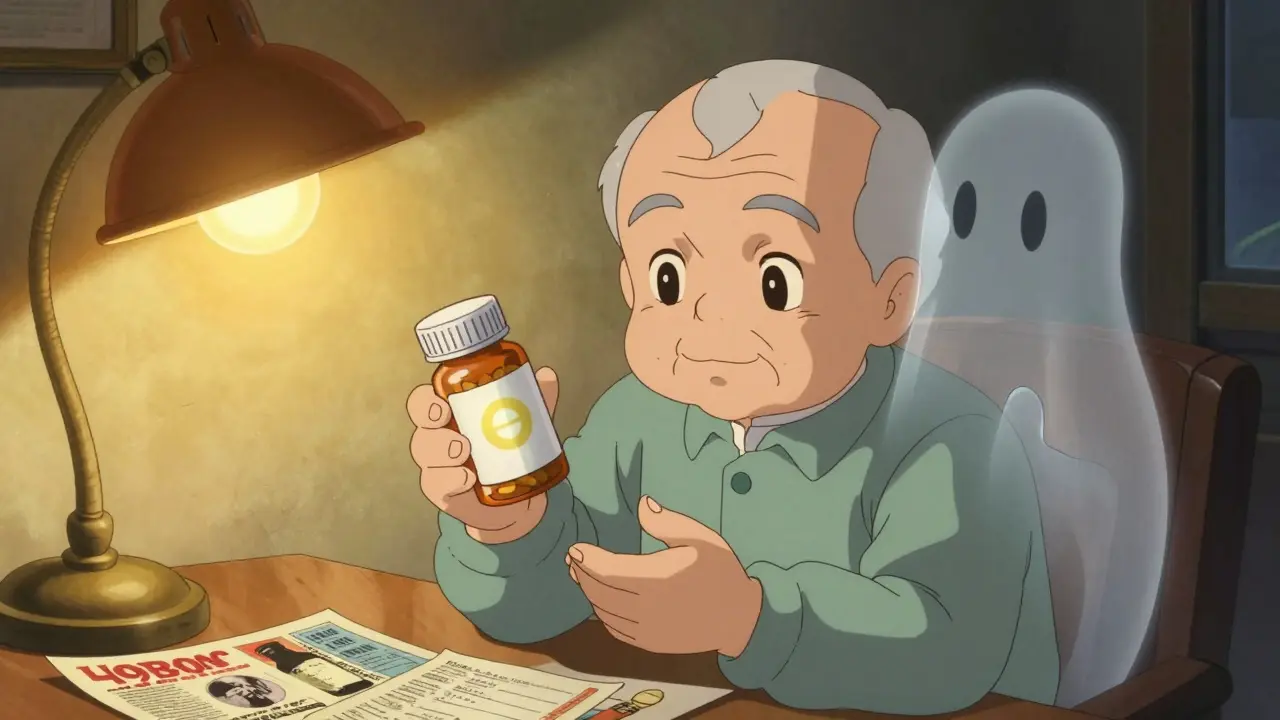
People born between 1946 and 1964-Baby Boomers-grew up in an era when pharmaceutical companies spent heavily on advertising directly to doctors and patients. Brands like Lipitor, Prozac, and Nexium became household names. Many Boomers took their first prescription in the 1980s or 90s, when generics were less common and less trusted. A 2023 survey of adults over 60 found that 47% still believe brand-name drugs are more effective, even when told otherwise. Why? Because their experience shaped their expectations. If they took a branded drug and it worked, they didn’t question it. When they were switched to a generic later in life, some reported side effects-even though clinical studies show no difference. This isn’t about ignorance. It’s about memory. The brain links familiarity with safety. And for Boomers, brand names are familiar. Generics aren’t.Gen X: The Skeptical Middle Ground
Born between 1965 and 1980, Generation X saw the rise of direct-to-consumer drug ads. They remember when pharmacies started offering generics but were told, “It’s cheaper, but maybe not as good.” Many Gen Xers are now managing chronic conditions-diabetes, high blood pressure, cholesterol-and they’re the ones who actually pay out-of-pocket for prescriptions. They’re more likely than Boomers to switch to generics if the price difference is big enough. But they’re also the most likely to ask their doctor, “Is this really the same?” They’ve been burned before-by insurance changes, by unexpected side effects, by confusing labels. Their trust isn’t automatic. It’s earned. Studies show Gen Xers are more likely to check online for reviews of generics than other age groups. They don’t just take a pharmacist’s word for it. They want proof. And if they can’t find clear, simple information, they stick with what they know.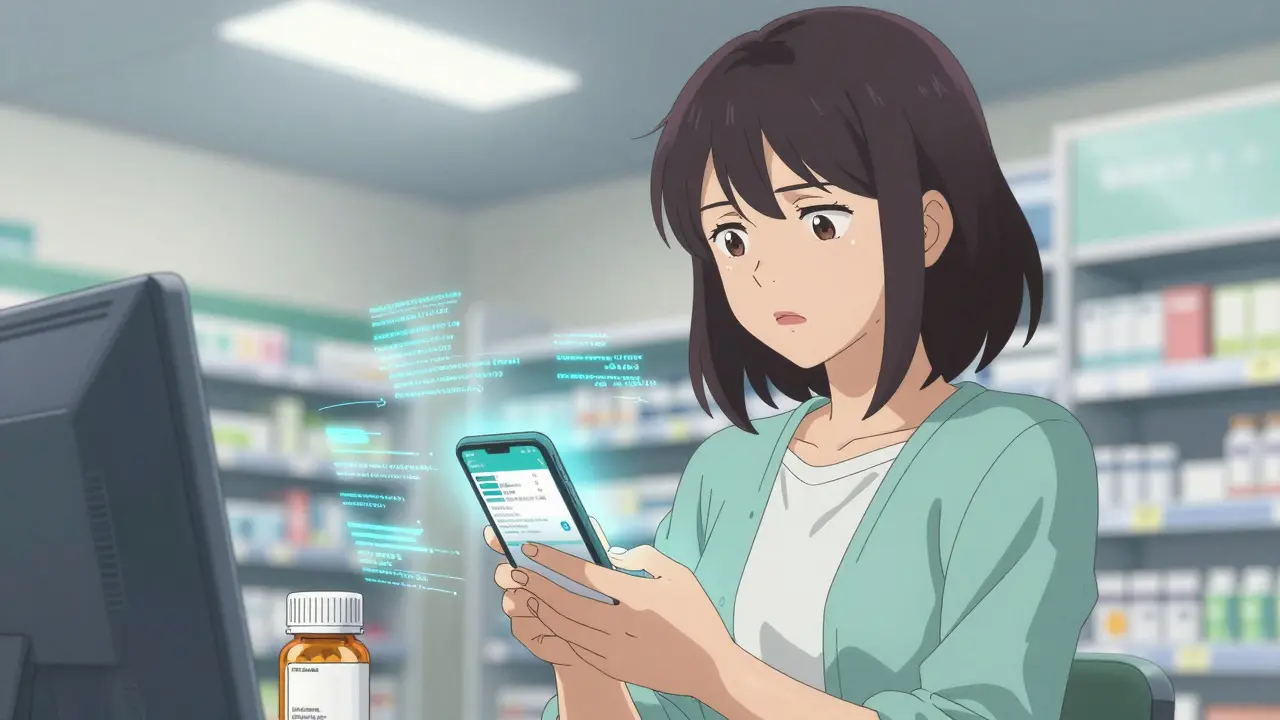
Millennials: Cost-Driven, But Not Blind
Millennials (born 1981-1996) are the most price-sensitive generation. They’ve grown up with rising healthcare costs, stagnant wages, and insurance deductibles that eat up paychecks. For them, generics aren’t a compromise-they’re a necessity. But here’s the twist: Millennials are also the most likely to question everything. They Google symptoms. They read drug labels. They watch YouTube videos about side effects. And they’re more likely than older generations to understand the science behind generics. A 2024 study found that 68% of Millennials correctly identified that generics have the same active ingredients as brand-name drugs. Yet, even with that knowledge, 31% still felt unsure about their effectiveness. Why? Because they’ve seen too many “natural” supplements and wellness trends marketed with pseudoscience. They’re skeptical of all claims-even ones backed by evidence. They don’t trust brands. But they don’t automatically trust generics either. What they need is transparency: clear labeling, easy-to-read comparisons, and honest communication from their pharmacist.Gen Z: The Digital Natives Who Don’t Care About Labels
Born after 1997, Gen Z has never known a world without online pharmacies, price comparison apps, and telehealth. They’re the first generation to routinely buy medications through apps like CVS or Walgreens with one tap. For them, the brand name means nothing. What matters is: Does it work? Is it affordable? Is it available now? In a 2025 survey of 18-25-year-olds, 82% said they’d choose a generic without hesitation-if the price was lower and the pharmacy recommended it. They don’t associate drug packaging with quality. They associate it with marketing. Gen Z also trusts peer reviews more than ads. If they see someone their age say, “I switched to generic metformin and my blood sugar’s fine,” they believe it. They’re less influenced by decades of branding and more by real, lived experience.The Trust Gap: Why Knowledge Doesn’t Always Change Behavior
Here’s the frustrating part: Knowing that generics are safe doesn’t always make people use them. A 2022 study found that even when patients understood bioequivalence, 40% still believed branded drugs caused fewer side effects. Why? Because of framing. When a doctor says, “This is the same as the brand, but cheaper,” patients hear: “This is the cheap version.” But if the doctor says, “This is the exact same medicine, just without the marketing cost,” patients are 50% more likely to accept it. It’s not about facts. It’s about how they’re delivered. Older generations respond better to reassurance: “Your doctor has prescribed this for thousands of patients.” Younger generations respond to data: “Here’s the FDA report showing identical absorption rates.”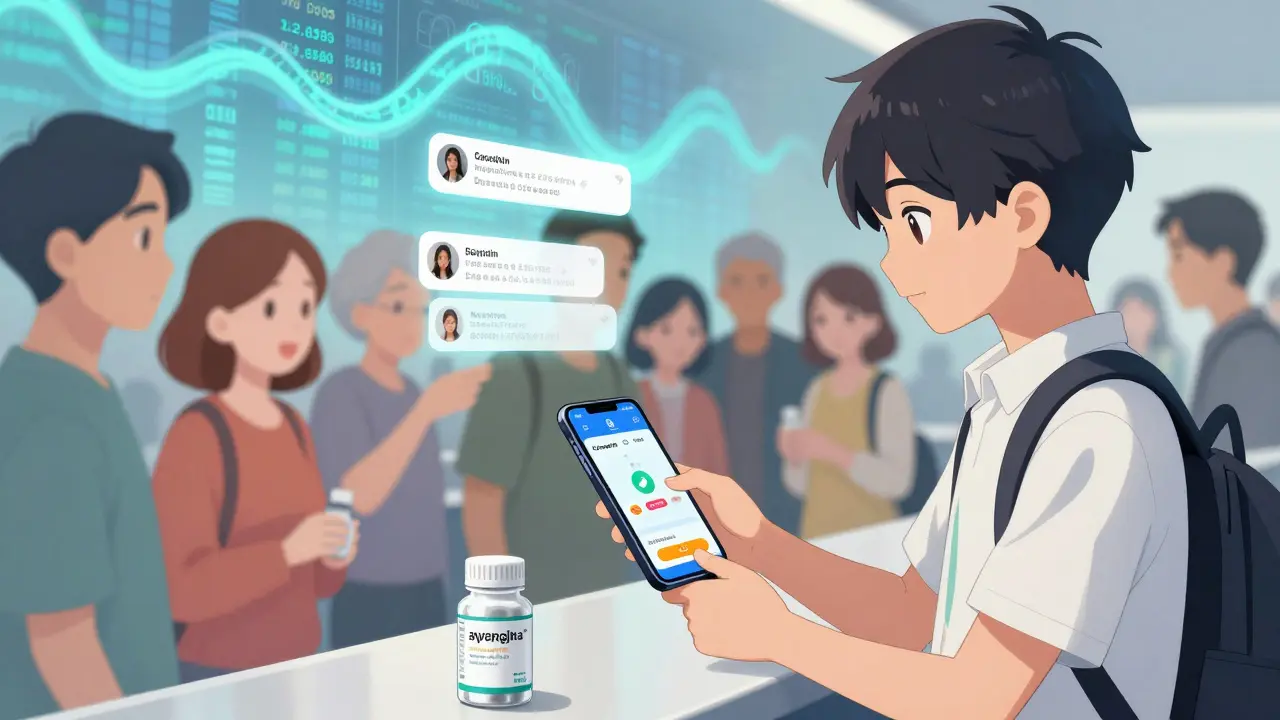
What Works: Communication That Actually Changes Minds
The biggest barrier to generic use isn’t cost. It’s perception. And perception can be shifted-with the right message. For Boomers: Use trusted voices. A letter from their long-time doctor, a pamphlet from their pharmacy, a conversation with a nurse they’ve known for years. They need continuity. For Gen X: Offer comparisons. Show them side-by-side charts of active ingredients. Let them see the FDA approval stamp. Give them control. For Millennials: Be transparent. Post the bioequivalence data on your website. Answer FAQs in plain language. Let them research on their own terms. For Gen Z: Make it easy. Integrate generics into the app interface. Show price savings upfront. Let them choose without judgment.It’s Not About Age-It’s About Experience
The truth is, generational differences aren’t about birth years. They’re about life experience. Someone who’s been on medication for 30 years has a different relationship with drugs than someone who’s never taken anything beyond an aspirin. Someone who’s seen a loved one struggle to afford prescriptions has a different view than someone who’s never had to choose between rent and medicine. The solution isn’t to push generics harder. It’s to understand why people resist-and then talk to them in a way that makes sense. Pharmacists who explain the science without condescension. Doctors who acknowledge the fear instead of dismissing it. Pharmacies that label generics clearly-not as “cheap,” but as “equivalent.” Because when people feel heard, they’re more willing to change.What’s Next?
Policymakers are starting to notice. In Australia, new labeling rules require pharmacies to display the cost difference between brand and generic drugs right on the counter. In the U.S., Medicare is piloting programs that automatically switch patients to generics unless the doctor opts out. But none of it matters if patients don’t trust the system. The real win won’t come from legislation. It’ll come from conversations-from pharmacists who take five extra minutes to explain, from doctors who say, “I prescribe this to my own parents,” from apps that show real user stories. Generics aren’t the problem. The gap between science and perception is. And that’s something we can fix-one conversation at a time.Are generic medications really as effective as brand-name drugs?
Yes. Generic medications must meet the same strict standards as brand-name drugs. They contain the same active ingredients, work the same way in the body, and are tested to prove they’re bioequivalent. The U.S. FDA requires generics to deliver the same clinical effect as the original drug. The only differences are in inactive ingredients (like fillers) and packaging-neither affects how the drug works.
Why do some people think generics are less safe?
It’s mostly about familiarity and marketing. Brand-name drugs come with years of advertising, recognizable logos, and doctor endorsements. Generics are sold in plain packaging with no name recognition. People confuse visibility with quality. Studies show that even when patients know generics are safe, they still report feeling like brand-name drugs work better-often because they expect them to.
Do older adults have more trouble accepting generics?
Yes. Older adults, especially Baby Boomers, are more likely to distrust generics because they grew up in an era where brand-name drugs were heavily promoted and generics were less common. Many formed strong associations between brand names and effectiveness early in life. Even when told generics are identical, their long-standing beliefs are hard to change without trusted, personal reassurance.
Can health literacy affect how people view generics?
Absolutely. People with higher health literacy are more likely to understand how generics work and why they’re safe. But even more important is subjective knowledge-how confident someone feels about their understanding. Older adults may feel confident because they’ve used medications for decades, but their knowledge might be outdated. Younger people may know the facts but still doubt because of misinformation online. Clear, simple communication helps bridge that gap.
What’s the best way to convince someone to switch to a generic?
Don’t just say, “It’s cheaper.” Instead, say, “This is the exact same medicine your doctor prescribed, just without the brand name and marketing costs.” Show them the FDA approval, share a real story from someone their age, or point out how many others have switched successfully. For older adults, a trusted healthcare provider’s recommendation matters most. For younger people, data and transparency work better. Tailor the message to their experience.
Are generics regulated differently in different countries?
No. Countries like the U.S., Australia, Canada, and the U.K. all require generics to meet the same bioequivalence standards as brand-name drugs. The FDA, TGA (Australia), and Health Canada all use identical testing protocols. The difference isn’t in regulation-it’s in public perception. In some countries, like China, government policies have pushed generics into the mainstream. In others, marketing and tradition still hold strong.
Why do pharmacists often recommend generics more than doctors?
Pharmacists see the financial impact every day. They’re the ones handing out prescriptions, explaining costs, and watching patients struggle to afford meds. They also work directly with generic manufacturers and understand the manufacturing standards. Doctors focus more on diagnosis and treatment plans, and many weren’t trained to explain generics in depth. Pharmacists are often the best resource for answering questions about generics-and their advice carries weight.


