Walking into a pharmacy often feels routine until you realize just how much trust is involved. Medication safety is a critical aspect of healthcare that prevents harm caused by incorrect medication use. It involves checking prescriptions, understanding side effects, and ensuring your body handles drugs correctly. According to historical data, medication errors have historically harmed millions of patients annually. In 2026, we still face similar risks, but you hold significant power to change that outcome simply by speaking up. Many people assume their doctor knows everything about every pill, but pharmacists are healthcare professionals who specialize in medicine management and safety checks. They spot things doctors miss because they focus exclusively on the drug mechanics. If you walk out without asking a few key questions, you might be leaving safety gaps that could lead to serious health issues later.
Preparation Before You Step Up to the Counter
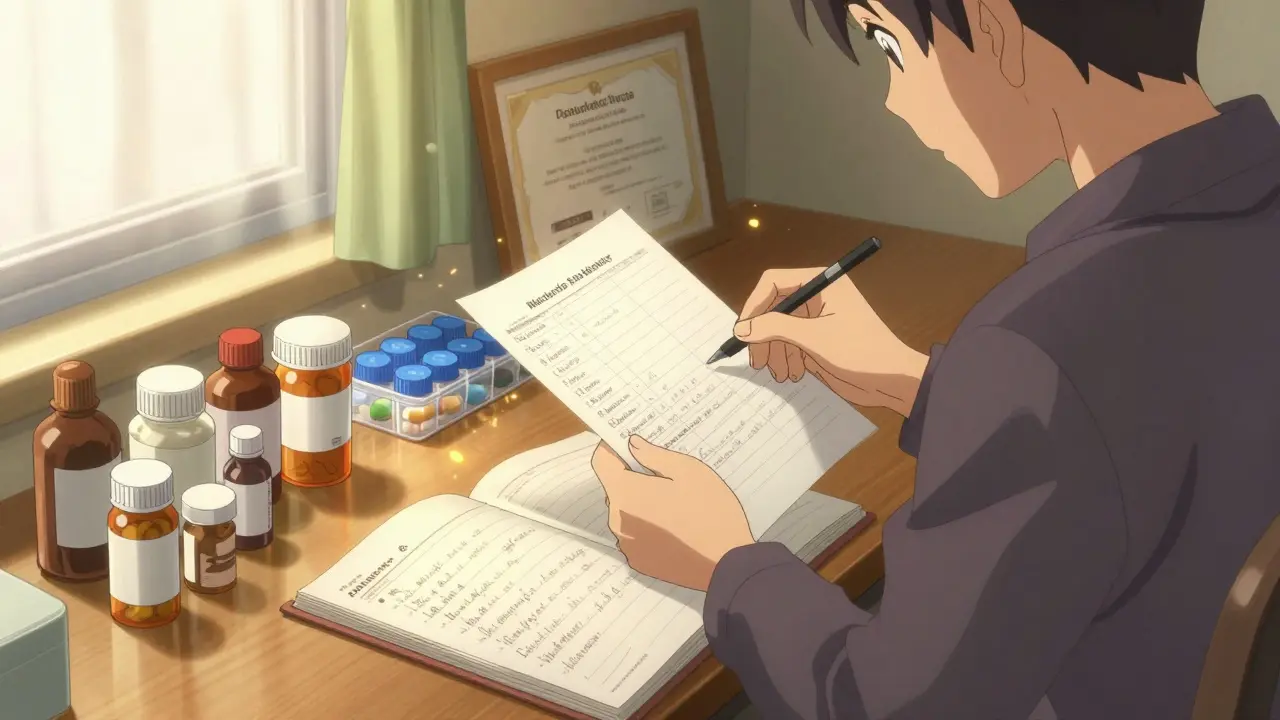
You don't need to memorize a textbook before visiting the pharmacy, but walking in empty-handed leaves you vulnerable to oversights. The most effective step you can take is maintaining an updated medication list. This isn't just a list of what the doctor prescribed last week; it needs to include over-the-counter medicines, vitamins, minerals, herbal remedies, eye drops, and skin products. Studies show that bringing all medications to appointments reduces polypharmacy risks significantly. When you hand this list to the pharmacist, they can cross-reference your new prescription against everything else in your system.
This preparation also includes knowing your own medical history regarding allergies. Some ingredients found in inactive parts of pills cause allergic reactions even if you aren't allergic to the main drug. Pocono Pharmacy noted that medication allergies account for approximately 106,000 emergency department visits annually. By having your allergy information ready, you stop the pharmacist from potentially dispensing a substance you cannot tolerate. If you are unsure about your history, ask your family doctor for a written record before heading to the pharmacy counter.
The Five Essential Questions for Every Prescription
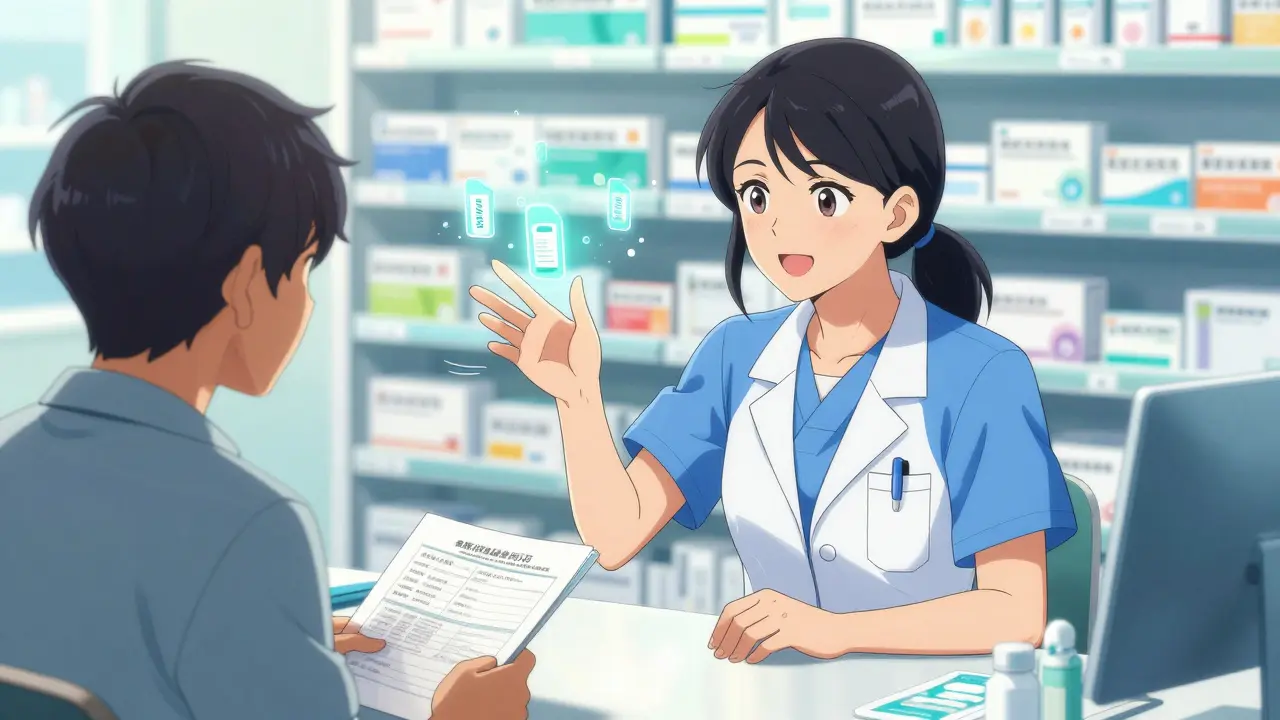
When you reach the counter, time is money, but rushing through this interaction is expensive in terms of health outcomes. Focus on five core questions that cover the vast majority of safety grounds. First, ask what the medication is used for. It sounds obvious, but mix-ups happen when labels look similar or names are confusing. Confirming the purpose ensures you aren't taking the right pill for the wrong reason.
Second, clarify exactly how and when you should take the medication. Dosage instructions can get lost in translation between a busy doctor and a tired patient. Does it need to go with food? Must it be taken at night? Is there a limit on how many days you should use it? SmithRx analysis highlights that clear instruction protocols prevent dangerous errors. If the label says 'take twice daily' but you only drink water during the morning commute, that instruction creates a conflict you must resolve immediately.
Third, ask about potential side effects and specifically which ones require immediate attention. Not every side effect means you should stop the drug, but some signal danger zones like internal bleeding or severe rash. Dr. Erika Brown from Gundersen Pharmacy notes seasonal considerations, such as sunlight sensitivity, which alters skin color or increases sunburn risk. Knowing these specifics helps you plan your day around the medication safely.
Fourth, verify interactions with other substances. Combine ibuprofen with blood thinners like warfarin, and you drastically increase the risk of bleeding in the stomach or intestines. This is a concrete example of how one safe ingredient becomes dangerous alongside another. Ask explicitly: 'Does this interact with my other meds or supplements?' Finally, inquire about proper storage. Insulin stored in a glove compartment during summer heat can become ineffective. These practical storage questions prevent waste and ensure the drug works when you need it.
Understanding Complex Interactions and Hidden Risks
Category
Key Inquiry Points
Why It Matters
Drug Interactions
Checks for clashes between Rx, OTC, and herbs
Prevents toxic reactions or reduced efficacy
Allergy Risk
Inactive ingredients vs active components
Avoids allergic shock or severe rashes
Storage Needs
Temperature, light, humidity requirements
Maintains chemical stability of the drug
Dietary Impact
Food restrictions, alcohol warnings
Ensures absorption and prevents nausea
Pediatric Safety
Child-safe dosing and packaging
Reduces accidental overdose in children
While the table covers the basics, interactions can be subtle. The American Pharmacists Association survey found that 89% of pharmacists reported identifying potentially harmful drug interactions during patient consultations. That means nearly nine out of ten times, the pharmacist catches something the prescribing chain missed. For instance, grapefruit juice interacts with certain statins and blood pressure meds, altering how your liver processes them. If you enjoy breakfast with grapefruit, you need to know now, not after three months of usage.
Another hidden risk involves self-medication policies during hospitalization. Dartmouth-Hitchcock guidelines strictly prohibit taking medications from home unless discussed with your doctor, a policy adopted by 92% of accredited hospitals following safety alerts. While you are at the pharmacy for a new fill, remind them if you recently had a hospital stay to bridge that gap.
The Power of the Teach-Back Method
One of the most underutilized tools is the teach-back method. Instead of nodding and saying 'I understand,' ask the pharmacist if you can repeat back what you were told. SafeMedication.com identifies 'May I repeat back what you just told me?' as a vital question. Research published in the Journal of the American Pharmacists Association showed this practice reduces communication errors by 31%. It forces you to process the information actively rather than passively absorbing noise.
For example, if they tell you to avoid dairy, ask yourself: 'Did they mean no yogurt at lunch or just no milk with the pill?' Repeating this confirms your interpretation matches their instructions. It shifts the dynamic from testing you to verifying shared understanding. Pharmacists appreciate this because it protects them from liability and protects you from harm.
Verifying Your Dispensed Medication at Home
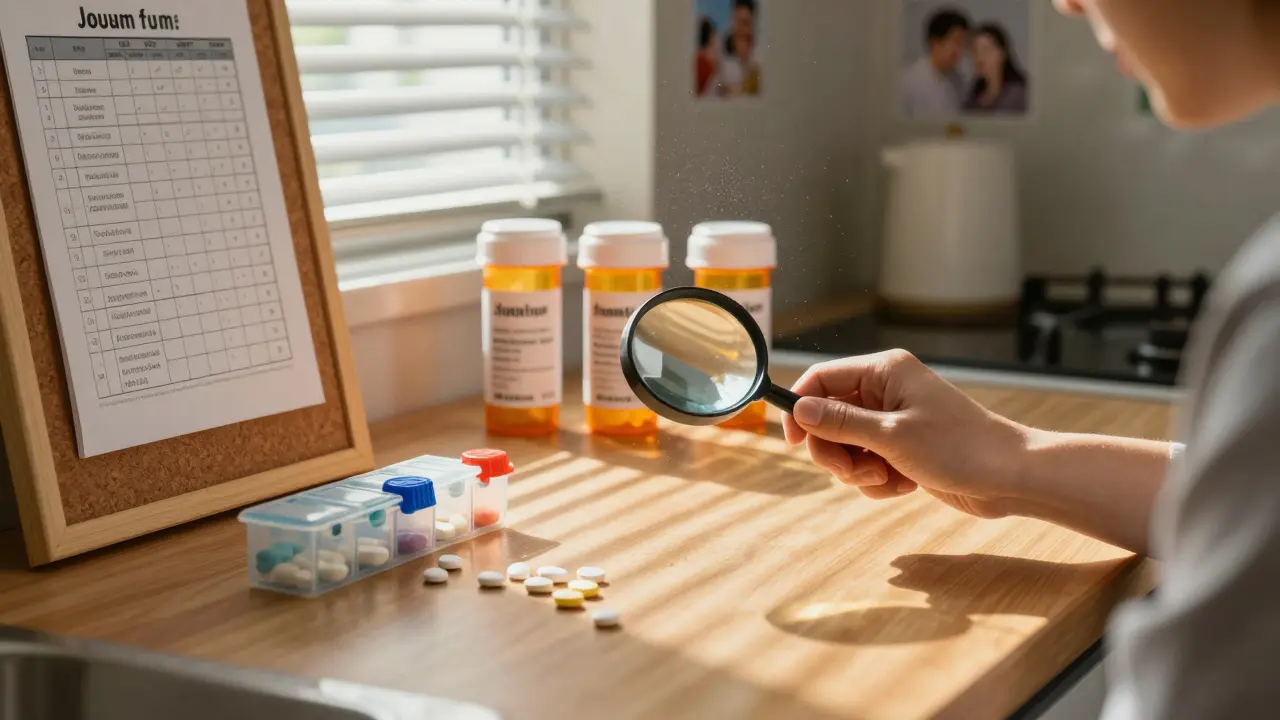
Your safety journey doesn't end at the counter. Dartmouth-Hitchcock guidelines stress that patients should familiarize themselves with what the medications look like and verify the bottle upon pickup. Ensure the label has your name and the correct medication name. Appearance discrepancies account for 18% of reported dispensing errors. If the pills inside look different from what you took yesterday, do not swallow them blindly.
Check the physical characteristics of the pills-shape, color, imprint markings. If there is a discrepancy, call the pharmacy immediately. Sometimes batches vary in appearance, but it is better to pause and confirm. Also, keep the original container or label handy when traveling so you know exactly what you are carrying.
Handling Special Circumstances and Populations
Medication safety looks different depending on who is taking the medicine. Pediatric dosing is a high-risk area; improper pediatric dosing accounts for 35% of medication errors in children under 12. Never cut an adult dose in half for a child without explicit professional instruction. Ask specifically about child-safe caps and dosing devices, especially for liquids.
Elderly patients face unique challenges with polypharmacy. ACV Health recommends reviewing all meds regularly to reduce risks associated with aging metabolisms. Additionally, consider lifestyle factors like driving. Some sedating antihistamines or painkillers can make driving unsafe. Ask, 'Could this affect my ability to drive or operate machinery?' This simple inquiry addresses safety beyond just biological compatibility.
Should I ask about costs before picking up?
Yes, always discuss cost implications. Some brands may work the same as generics, saving you significant money. Pharmacists can often suggest bioequivalent alternatives that fit your budget without sacrificing safety.
How long does a prescription remain valid?
Most standard prescriptions expire within one year, but controlled substances often have stricter limits. If you don't pick it up immediately, the expiration might affect your safety window for renewals.
Can I mix my medications in a weekly organizer?
Ask the pharmacist before using any third-party organizer. Some powders or tablets react differently outside their foil packaging. Always verify stability before transferring pills.
What if I feel rushed at the counter?
If time is short, ask to schedule a private consultation instead. Many pharmacies offer brief appointments dedicated solely to medication reviews to ensure thorough discussion without rush.
Do I need to report side effects myself?
Absolutely. Patients reporting adverse events contributes to broader safety databases. Pharmacists track these reports to flag dangerous trends for regulators and manufacturers.
Taking charge of your medication safety is a proactive step toward better health. With the right preparation, clear questions, and verification steps, you significantly lower the risk of adverse events. Remember that pharmacists want to help; they just need the right cues from you to provide the best care.


